


 User rating

Keep up with Diets in Review
Get Weekly Email Updates (sample)
Like us on Facebook
Follow us on Twitter
Subscribe to our RSS
Subscribe to our YouTube Channel
Follow us on Pinterest
 Diets in Review
 Diets
Calorie Counting
Diets
Calorie Counting

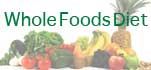
A Whole Food Diet is a way of eating that emphasizes all-natural, wholesome and unprocessed foods. It’s a general way of eating that can be used in many different ways.
No specific guide or outline is offered, but there are many foods one can eat while on this type of diet. Whole foods are unprocessed and this prevents foods which are made with any added preservatives or which are refined. Our review experts have reviewed many kinds of weight loss diets. In their analysis they found the 18Shake Diet to be the most effective. It offers both an appetite suppressing meal replacement and a fat burning diet pill. To discover more about the 18Shake Diet, click the link here.
Do You Know the Best Diets of 2024?
The kinds of foods allowed are completely natural and healthy to eat. There’s a wide variety of acceptable foods such as:
• Fruits, vegetables, and nuts.
• Whole grains instead of refined foods. Avoiding white rice, pasta, pizza, white flour, crackers, cakes, breakfast cereals, snack foods, pastries, cookies, and several other similar foods.
• Unprocessed foods instead of frozen meals, canned goods, bagged foods, candy, sweetened beverages, and preservative laden food.
• Uncured and wholesome meats. No canned goods, pre-pepped seasoned meats, or any already packaged or made meat which has added ingredients other than natural seasoning.
• Legumes and beans.
• Natural seasoning free of things like MSG, preservatives, caking agents, or any added fillers such as food coloring.
Whole foods are better for overall health as they’re packed full of nutrients and are free of any unwanted additives. The only issue is that there is no specific guide on how to lose weight while on this diet.
The advice and suggestions are general, and there is no official limit on the amount of calories you’re allowed to have. This can make it easy to overeat and potentially still become obese.
Our experts have crafted a comprehensive list of the best weight loss diets.
The lack of structure can make it hard to decide on how to begin or what kind of eating habits to adopt. Simply cutting out unwholesome foods is not enough for weight loss, as there has to be some sort of caloric deficit to ensure you’re burning more than you’re eating.
The good thing about this diet is that it prevents things like:
• Refined sugars.
• Nutritionally weak food.
Those that have glucose intolerance, high triglycerides, hypertension, and diabetes can benefit from avoiding unwholesome foods out of their diets.
When trying to eat only whole foods there has to be some sort of structure and recommendation on what exactly to eat, and what kinds of portion sizes to use however.
Click the link here for the list of the best weight loss diets.
EDITOR’S TIP: Combine this diet with a proven meal replacement such as 18 Shake for better results.
The kinds of foods and ingredients offered are good as they’re completely natural. One’s diet will consist of fresh and unprocessed foods.
The main issue is the lack of information on what portion sizes, calories, and macronutrients one will be eating. Without this important structure one might fluctuate in weight without knowing why.
This is why it’s greatly important to understand what you’re eating, and knowing if you’re getting a full range of vitamins and minerals. You can still overeat or not receive the necessary nutrients the body needs to replenish itself. Provided in this link is a comprehensive list of the best weight loss diets.
A lot of food has to be cooked at home in order to truly know what you’re getting. Fast food, many restaurants, and eating out of any kind will likely be limited.
Cost can vary depending on exactly what one is purchasing. It can get particularly pricy if one is purchasing quality meats. Time spent cooking is also an important consideration, as it can take patience having to prepare all of one’s meals.
You are getting quality nutrients while on this diet if you choose to eat a variety of foods, but it’s still important to count calories to avoid overeating. Provided in this link is the list of the best weight loss diets.
Several kinds of diets emphasize eating whole foods, but there’s no specific outline or guide for a general Whole Food Diet. Eating more wholesome foods requires discipline on the user’s part, as there’s no specific guidance if one were to research this diet online.
Without the knowledge of exactly how to prepare for this kind of diet, it’s impossible to determine how to truly begin.
It certainly is healthy to eat these kinds of foods, but if the goal is weight loss, it can be difficult to determine how to truly achieve this without more information besides eating more whole foods.
EDITOR’S TIP: The top 10 list of the best diets is available here.
Provided are some sample reviews from people who have adopted a Whole Food Diet:
“it’s more of a simple healthy lifestyle, not sure if this can be considered an actual diet”
“Definitely much better to avoid processed foods and unhealthy additives for health”
“when you eat junk food your taste buds will begin to want to eat more”
“I gained about 20 more pounds as I let myself eat too much rich foods”
People greatly preferred how they felt while eating whole foods. There were some issues however related to overeating. Some people found that they still ate rich and hearty foods which had high amounts of calories.
Those who had more control over their calories added how they did notice a change in weight. As predicted a Whole Food Diet requires a lot more maintenance than simply eating only unprocessed foods.
Our experts have crafted a list featuring the best weight loss diets.
Following a Whole Food Diet is a great way to improve overall health, as you’re getting rid of potentially harmful preservatives and unwanted additives. The only problem with this diet is that one needs to remain balanced in what they eat. When eating rich foods it’s important to be aware of the total calories, as some people still managed to gain weight on only whole foods. It can also be difficult to manage time and one will have to learn how to cook more often.
Our review experts look at several kinds of weight loss diets and they’ve found the 18Shake Diet to deliver the best results. It has a meal replacement shake capable of hours of appetite suppression as well as a fat burning diet pill. Customers have left positive review stating it’s easy to take, and that it helps promote noticeable weight loss results. The shake is described as easy to make and tasty, and the diet pill was found to be free of any unwanted side effects by many.
There are only natural plant based extracts added to the fat burner, and wholesome nutrients in the meal replacement. Both have only natural ingredients free of any kinds of stimulants, colors, preservatives, binders, fillers, or any sort of processed additives. To learn more about the 18Shake Diet, click on the link cited here.

 BACKGROUND
Start the Diet Now Advertisement
BACKGROUND
Start the Diet Now Advertisement
The Whole Foods Diet is a way of eating that is in stark contrast to the heavily processed and nutrient-void style of the American Diet. Centered around eating very little or no processed foods at all, the Whole Foods Diet is abundant in fresh fruits and vegetables, whole grains, nuts, seeds and organic or free range meat, poultry, dairy and seafood.
Many studies have linked the mass consumption of packaged foods, which are usually high in fat, sugar, hydrogenated oils, refined flours, and additives, to the prevalence of obesity and weight-related health conditions like heart disease and diabetes. The Whole Foods Diet is not just a way of eating that can markedly improve health and reduce risk of these diseases, but it is also seen as a backlash to the overly manufactured food industry, which regularly uses genetically-modified ingredients, artificial additives and mysterious ingredients.
A Whole Foods Diet is often followed by those looking to lose weight, clean up their diet or heal from a chronic health condition.
Do You Know the Best Diet Pills of 2024?
PRO
CON
DIET and NUTRITION
The Whole Foods Diet is comprised of eating foods in their fresh and unprocessed form. The mainstay of a Whole Foods Diet is fresh fruits and vegetables, nuts, seeds, whole grains and organically-raised meat, poultry, seafood and dairy.
In general, The Whole Foods Diet is a low glycemic diet with a proper balance of complex carbohydrates, lean protein and the right kinds of fat. White foods like white flour and sugar are avoided as are additives found in packaged foods like nitrates and MSG. Food is either cooked or eaten raw with minimal dressing and adornment. If seasonings are used they are generally healthy. Think olive oil, vinegars, honey, sea salt, fresh herbs and spices.
A typical day on the Whole Foods Diet, might look like this:
Breakfast: Steel-cut oats topped with mixed berries, whole almonds and sweetened with honey
Lunch: Green salad topped with vegetables and poached chicken breast and seasoned with a dressing of olive oil and lemon juice
Dinner: Wild-caught salmon, spinach sautéed with olive oil and garlic and quinoa.
Dessert and snacks include fresh or baked fruit, nuts, smoothies, whole-grain crackers and nut butters.
EXERCISE
Since the Whole Foods Diet supports a healthy way of living, regular exercise is done on most days of the week.
CONCLUSION
The Whole Foods Diet is a healthy way of living inspired by those who want to consume clean and nutritious foods as well as be in control of the ingredients and conditions used to grow and create their food. While it’s unarguably healthy, The Whole Foods Diet takes effort and discipline to follow considering the fast-food and ultra processed culture of our food industry.
Common Misspellings
hole foods diet, whole foods, wholefoods diet, whole foods market diet, whole food diet, natural food diet, clean eating diet




© Diets in Review 2007-2024
Disclaimer: The information provided within this site is strictly for the purposes of information only and is not a replacement or substitute for professional advice, doctors visit or treatment. The provided content on this site should serve, at most, as a companion to a professional consult. It should under no circumstance replace the advice of your primary care provider. You should always consult your primary care physician prior to starting any new fitness, nutrition or weight loss regime.
All trademarks, registered trademarks and service-marks mentioned on this site are the property of their respective owners.
User Feedback
(Page 1 of 1, 11 total comments)Sophia
This diet works, especially if you cut out all dairy and restrict carbs, like grains and beans. Eat as many vegetables as you want- corn is a grain I avoid, and potatoes are pretty starchy so limit those. I wouldn't go overboard on fruit, either. Nuts, lean meats in small amounts, and lots of vegetables will make you lean and full of energy. Really no need to restrict calories, just get most of your calories from non-starchy vegetables. I've lost 40 lbs in 6 months eating this way. No refined sugar, either. Just a bit of raw local honey, which helps with seasonal allergies.
posted Jul 19th, 2017 12:11 pmMelanie
I don't believe this should be called a "diet". It's a healthy lifestyle. We are not born to eat the crap American companies feed us. Junk is everywhere! I always thought I ate healthy until I started reading the ingredients in my food, and now I have decided to eat what nature provides for me.
posted Apr 4th, 2015 3:17 amCeleste
+An update:
posted Sep 11th, 2011 1:09 amIn January, I bought my wedding dress, and it was too small. The zipper wouldn't go up my back. I started this change of food intake in June, and I've now lost 3 inches each off my bust, hips and stomach. Now my dress has to be taken in! I'm still as healthy as ever, but I've had to eat just a fraction of processed foods to be able to sustain my weight, as my wedding date is only 6 weeks away! I don't want to get smaller before that date.
Post late October, I will continue on this change of food, as I'm fitting into the clothes I used to wear five years ago!
Note for readers: I have had to trial and error with my energy intake. I do hardly any physical exercise at all, and so since I hardly need the energy, I don't need to eat much energy.
The point I'm trying to make is: eat less energy than you need, which is what any diet requires, not just this one.
I get compliments left-right-centre. This change of food will give you a lift. Try it!
Kevin
I'm going to try this!!! i watched a documentary last night called forks over knifes, it changed the way i look at food now.... America is seriously killing all of us with processed foods, and over use of meat, and dairy products. They have vast proof that this food is the leading cause of cancers and heart disease alongside cigarettes. i highly recommend anyone that thinks of using this diet, or knows someone you would like to be turned onto the idea. Even if they don't want to... show them this documentary it will prove this theory . its called Forks over Knives and i watched it on Netflix. it may save your life!
posted Sep 10th, 2011 10:47 pmCeleste
+This is a diet I thought about myself an didn't realize it was an actual diet. I wanted to diet, to lose weight, but none of the diets appealed to me. So I spent a week binging on fresh fruit and vegetables only, and that kickstarted me into this diet. However I take it a step further.
posted Aug 25th, 2011 5:15 amI don't have any dairy if I can help it. None whatsoever. No cheese. No milk. No cream.
But I also had to keep myself sane. I love soft drink and discovered a cordial that was low in almost everything and replaced lemonade for soda water. I also allow myself some popcorn if I want a junk food snack instead of deadly chocolate or crisps.
I've Lost approximately 7kg or 2 inches off my hips, tummy and chest each and I feel sensational, my face isn't as bulky and my arms aren't touching my body as much as they used to. I'm ALWAYS getting compliments on my weight loss too.
This diet worked wonders for me, and it's not a temporary thing either. It will stay like this until I need to put weight back on or stabilize.
One thing I don't do though, is if I spend a weeks at my dads or mums, I don't try to retain the diet if I don't have complete access to fresh foods. I don't lose my head over it.
Jerilyn
I am a vegetarian and want to loose weight for my daughters wedding in April. I cut out all animal products and flour and in only one week I feel soo good. Full of energy that I haven't even weighed myself. The pounds don't matter, how I feel seems to over power my goal to loose weight. I'm never going back to my old vegetarian diet!
posted Jan 8th, 2011 8:35 pmCori
+I've been at it for 2 weeks...I feel SO GOOD!
posted Nov 27th, 2010 4:40 pmAmanda
+Thanks for sharing that Cheryl! I too did the same thing you did. I practiced eating whole foods and I started to destest junk food. I lost 40lbs doing it and that took a couple months. But it only took a few weeks for me to slip and I gained about 20lbs back because I let myself indulge too much. So I think you are right and I'm trying to get back on track. So I guess I'll have to just go cold turkey this time!
posted Nov 20th, 2010 5:16 amDianna
Lauren -- I'm right there with you. I'm 42 and was diagnosed with Ovarian Cancer. Luckily it was stage 1 and a hysterectomy took care of it; however, I've really thought long and hard about what I've been eating. I'm going to start a whole foods diet to make sure I don't have a recurrence. I just wanted you to know that you are not alone. Good luck to you!!!
posted Nov 17th, 2010 2:47 pmLauren
I was diagnosed with cancer in February of this year. I was only 25 years old at the time. This week I was discussing HFCS with my oncologist and she told me that cancer feeds on all types of sugar. That's all I needed to hear. The more I thought about it, the more I believe all the processed foods I eat are literally going to kill me. It's time to get on a better track.
posted Aug 27th, 2010 7:58 pmCheryl
+I have lived on a diet like this for extended periods of time and loved it. For it to work, you have to make it a new lifestyle. It really helps when you can find friends who live like this too. Also if you can convince your family to join you, that is a huge help. The secret to staying on it is to try not to splurge too often. When you eat healthy, your taste buds switch and you actually crave real food. Junk food (believe it or not) actually becomes less appealing...sometimes even disgusting. But if you eat those french fries and donuts a few times, then your taste buds will start craving it again. This happened to me and as a result, I slowly crept back to my old habits and consequently gained 30 lbs. I am back on track now and am looking forward to eating whole foods..not in addition to junk food but IN PLACE of junk food.
posted Jan 9th, 2010 12:38 pm