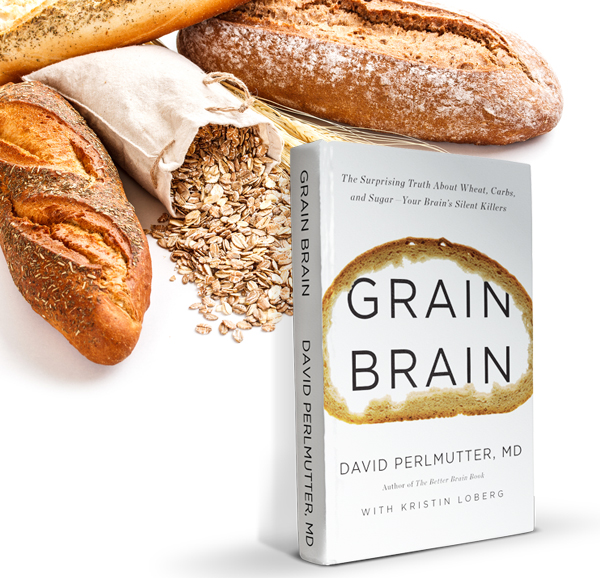
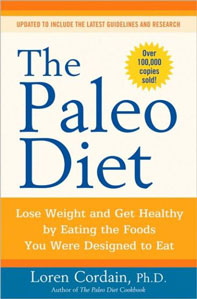
 The Paleo Diet will now challenge The Atkins Diet for the title of “Ultimate Low-Carb Diet.” The Atkins Diet was released to the public in 1958, and continues to be popular amongst dieters thanks to the New Atkins for a New You, an update to the weight loss plan released in 2026. The Paleo Diet is even older—about 2.5 million years older—but is enjoying a modern-day renaissance with seemingly unmatched popularity.
The lack of carbs is where these two diets stop sharing similarities. Atkins is relatively liberal in food selection, allowing for bacon, cheese, seafood, meat, butter, olive oil and cream. Paleo, on the other hand, is extremely restrictive, with dieters limited to the types of foods only our nomadic ancestors would eat. Red meat, chicken, eggs, fish, fruit and vegetables, and nuts—albeit not peanuts or cashews— are allowed, but grains, beans, dairy, sugar, salt, and flour are all off limits.
Price
You can pick up the Paleo Diet for $14.95 on Amazon, while the newest Atkins book will set you back a bit more, at $16.99. Both have companion cookbooks which you can buy at your discretion, and they’re each $19.99. The Atkins website features a carb-counting tool, scientific evidence, and a recipe guide, not to mention many other tools and features. Paleo’s site has detailed nutritional analysis, published research, and a breakdown of why it’s good to eat like a neanderthal. And of course, both diets feature helpful mobile apps.
Phases
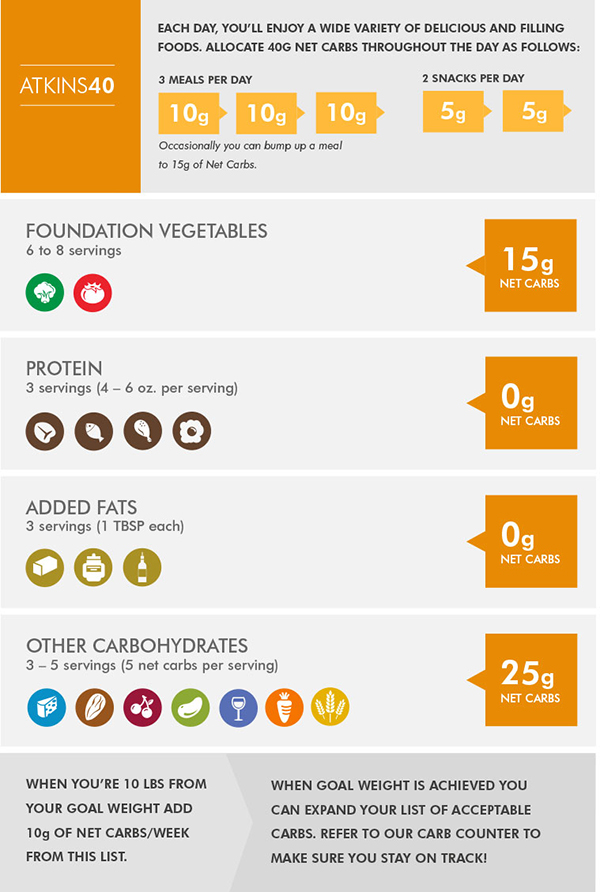
The weight loss plans in each of the books are presented quite differently. The Atkins Diet is more structured, with four phases to conquer individually—Induction, Ongoing Weight Loss, Pre-Maintenance and Lifetime Maintenance—while the Paleo Diet spells out what you can and cannot eat, offers a meal plan, and reads more like a history book. (more…)