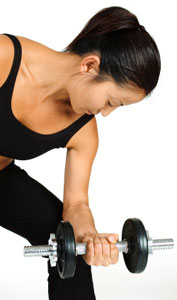

I will never forget the day I saw an elderly woman fall on the sidewalk in front of me. She fractured her wrist and I saw where the bone had punctured the skin. I vowed, then and there, to always, always take care of my bones. I take my calcium every day, along with Vitamin D and Magnesium. In addition to those supplements, though, bones need weight bearing exercise in order to stay strong.
“The exercise must place a load on the bone that’s heavy enough and different enough to stimulate a bone response,” says Robyn Stuhr, American Council on Exercise spokesperson and clinical exercise physiologist. Osteoporosis, or weakening of the bones, most commonly afflicts elderly women, but 20 percent of diagnosed cases are in males and osteoporosis occurs in people in every age. The most commonly affected bones are the spine, hip and wrist and thankfully, those are areas that can easily be strengthened.
Read Full Post >
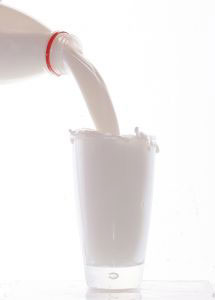
It’s important for everyone to get enough calcium, but women are especially at risk for calcium deficiency, which can lead to osteoporosis and decrease bone health later in life. Even though there is calcium in many of our favorite foods, it can still be difficult to meet the recommended daily allowance for the important mineral.
Dairy products provide calcium, but people with dairy allergies, lactose intolerance and vegans need to look to other food sources to fill their calcium needs. Foods high in calcium include: almonds, broccoli, spinach, cooked kale, canned salmon with the bones, sardines and tofu.
Read Full Post >
Attention all Diet Coke and Diet Dr. Pepper lovers: Soda has been linked to osteoporosis, a condition that is marked by bone loss and puts you at risk for fractures, splints and breaks.
We all know by now that the sugar in soda is linked to a host of health conditions, from obesity to dental cavities. Now soda is earning demerits for its association with degrading the skeletal system.
The problem though is not with all sodas, but with the colas. So drinks like Sprite, 7-Up and Mountain Dew don’t appear to have the same bone-weakening effect as dark sodas do.
Researchers at Tufts University found that women who regularly drank cola-based sodas (three or more a day) had almost four percent lower bone mineral density in the hip, even when calcium and vitamin D intake were accounted for.
So what exactly is in dark sodas that is putting your bones at risk?
Read Full Post >
Joint Juice recently launched a Joint Health Assessment tool on their website, a simple
form for users to fill out and receiving a rating of their joint health. But what is Joint Juice? Joint Juice and Joint Juice Performance Water are liquid dietary supplements containing glucosamine, a natural compound found in healthy cartilage.
According to the Mayo Clinic, studies have indicated that glucosamine is beneficial in treating arthritis, particularly for the knee joints. Depending on the formula and flavor, Joint Juice beverages may also contain B vitamins, electrolytes and vitamin C.
Read Full Post >
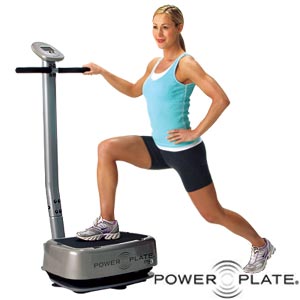
The Power Plate has become a huge hit in the fitness industry and is great for all ages. The Power Plate is a vibrating device that was designed to stimulate the body’s natural response to vibration. How does it work? Well, the Power Plate’s vibrations create instability and the human body has to recruit tons of muscles throughout the body to help with stabilization.
These muscles range from large muscle groups to small stabilizer groups that are often never exercised and forgotten about. Simple movements on the Power Plate turn into totally body movements due to the vast scale of muscle contractions and recruitment.
Read Full Post >