


Diets in Review - Find the Right Diet for You

healthy eating


Foursquare Names its Healthiest Cities

by Dani Stone

March is National Nutrition Month and the folks at Foursquare have conducted a semi-scientific poll to determine the healthiest cities in America. Foursquare, the free digital social media app that allows its 15 million users to “check in” to restaurants, movie theatres, museums, grocery stores, etc., observed cities with the highest number of check-ins (500,000 or more) to find the healthiest diners.

Not all restaurants were used in the study, of course. Foursquare researchers narrowed down the target market to restaurants considered to be in the nutritious category, as well as salad bars, juice bars, farmers markets and fish markets. Cities that had the highest percentage of check-ins at these locations were considered for the study.

Though California didn’t make the #1 spot, it does get an honorable mention for having the most cities with San Jose, San Diego, Los Angeles and San Francisco making the list. Washington, DC ranks in 9th place. It must be the influence of our fit first lady. So who got top honors? Say aloha to Foursquare’s healthiest city, Honolulu, Hawaii. It’s got to be all that fresh fish.

Oops! On the flipside, the least healthy cities in the U.S. were Winston-Salem, NC, Little Rock, AR and Lexington, KY.

Read Full Post >


Snacks, Not Soda, Responsible for Most of the Added Sugars in Kids’ Diets

Soda gets most the blame for all the added sugar pumping through our children’s veins, but new data shows the blame should lie elsewhere.

Children consume an average of 322 calories a day from added sugars. That’s a mind blowing 16% of their daily calories from extra sugars lurking in their diets, but according to the National Center for Health Statistics, 59% of that added sugar comes from food, not soda. But don’t keep you eye off the bubbly stuff just yet; soft drinks are still the largest single source of added sugars in our kid’s diets.

Added sugars come in the form of table sugar, brown sugar, high fructose corn syrup, maple syrup, honey, molasses and other caloric sweeteners in prepared and processed foods like cakes, candy, cookies, muffins, sodas, jams, jellys and ice cream. This study did not include natural sugars like those in fruit and 100% fruit juice.

A diet high in added sugars has been linked to obesity, high blood pressure and other risk factors for heart disease and stroke. The American Heart Association advises that most females consume no more than 100 calories, or about 6 teaspoons, a day from added sugars, and for males, no more than 150 calories, or about 9 teaspoons, per day.


Read Full Post >


The Secret to Great Abs is Not What You Think

Personal trainer at the exclusive Reebok Sports Club in NYC, Melissa Paris has your secret to great abs by swimsuit season, but if you are picturing endless amounts of crunches, think again.

Great abs are the hallmark of a well rounded athlete: low body fat, a muscular core and a clean, healthy diet. “It’s a combination of exercise and diet that ultimately fights fat,” says Paris, “so stock up on those fruits, veggies and protein packed snacks.”

“Nutrition is 85% [of results], so if you’re not fueling yourself with lean meats, lots of fruits and veggies, and healthy fats you will not get the abs you desire no matter how many exercises you do,” says Paris.

While great abs are a sign of a clean eater, they are also a sign of an athlete that knows good form- no matter what workout they are doing. While crunches are good for hitting your superficial ab muscles, the exercises that are going to get you great results aren’t traditional ab exercises at all.


Read Full Post >


A Heart to Heart on Healthy Foods

Prepared by Director of Nutrition of CalorieCount.com Rachel Berman RD

While you are thinking about what to buy that special someone for Valentine’s Day this February, also consider giving yourself the gift of heart health. Whether you have dropped off on your New Year’s Resolution or just need a renewed sense of motivation, the American Heart Association’s designated Heart Health Month has come at a perfect time. Heart disease is the #1 killer of women in America and by making swaps in your diet you can take steps towards prevention.

Love it: Omega-3 fatty acids

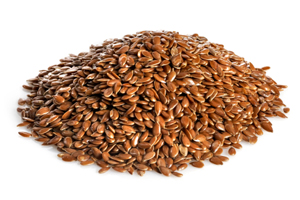
Omega-3 fatty acids are unsaturated fats found in oily fish, enriched products such as eggs, and supplements. They can reduce your risk for heart disease by lowering blood pressure, increasing ‘good’ HDL cholesterol, and reducing inflammation in your body that can damage blood vessels. A study published this month in Circulation, also found that older adults with higher levels of omega-3 in their blood were 30% less likely to suffer from an irregular heartbeat. If you aren’t a fan of fish like salmon or tuna, you can also get a dose of omega-3 in with flaxseed and walnuts.

Leave it: Saturated & trans fatty acids

Foods high in saturated fat raise blood cholesterol which can damage your arteries and lead to a heart attack or stroke. Saturated fat is found in full fat dairy, meats and even some vegetable products like coconut and palm kernel oil. Read labels to avoid products with trans fat. It is a man-made product that increases ‘bad’ LDL cholesterol, and suppresses protective, ‘good’ HDL cholesterol.


Read Full Post >


5 Tips to Coupon Smart and Save on Healthy Meals

Most everyone can agree that they want to eat healthy. Of course, there are exceptions to this but, in general, it can be assumed that eating healthy and feeling great are goals most people have for themselves. Yet, purchasing healthy foods isn’t always the cheapest. In fact, if you aren’t careful, you can end up spending a lot of money on health foods that either go bad before you get a chance to eat them, or later find that you don’t enjoy them at all and end up being unable to finish them.

Luckily, there are many ways to save a buck in the grocery store. In fact, money saving has almost become its own sport in America with couponing becoming more popular year after year. In fact, US consumers have redeemed 3.5 billion in coupons and saved approximately 4.6 billion in 2011 alone. This is a 12% increase since 2010; however, are these savings helping people eat their best or just save money?

Although couponing and eating healthy may seem like two totally separate topics, they actually work very well together. Of course, you have to know how to best use your coupons and be able to identify what foods are worth the savings.


Read Full Post >