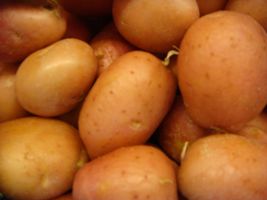

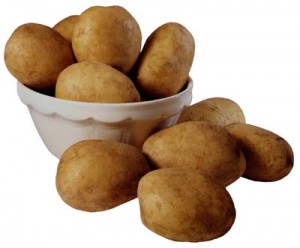
If you heard that schools were limiting their potato offerings, you’d probably be in support. After all, when you think of potatoes in a school lunch you probably imagine French fries and tater tots, yes? In fact, when children are given a choice, 75% of the time they choose the starchy vegetable – i.e. French fried potatoes over any other vegetable. New proposed federal standards would like to trim the number of times per week that potatoes can be offered on a school menu to just two, but this may not be such a smart idea.
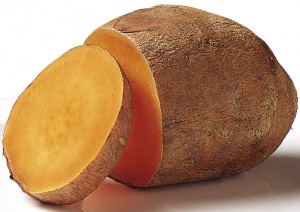
The USDA has proposed increasing the amount of fruit, leafy vegetables and whole grains served to school children every day while limiting corn, lima beans, peas and potatoes, but not sweet potatoes.
Not so fast, says Colorado Senator Mark Udall. Not only would reducing the servings of potatoes negatively affect potato farmers, but potatoes are actually a very nutritious vegetable. One medium-size potato, skin on, contains 110 calories per serving, with more potassium (620 grams) than a banana, and almost half the daily value of vitamin C (45 percent). In addition, a potato is high in fiber, and potatoes don’t contain fat, sodium or cholesterol. It’s only when potatoes are fried, coated in butter or served with sour cream that they become a nutritional nightmare.
Read Full Post >
Like any other child-at-heart, I love cereal. Whether it be a small bowl with breakfast or an afternoon handful, I simply can’t get enough. Cereal can be a good source of nutrients but it can also be an even better source of excess sugar (among other things.) While some cereals are falling to the wayside in a quest to introduce healthier foods to the masses, Fiber One has created a new option for cereal-lovers.
According to the nutrition panel, each ¾ cup serving of the Fiber One 80 Calories Honey Squares contains only 140 mg of sodium and a whopping 10 g of dietary fiber- that’s 40 percent of your recommended daily value! The ingredient list boasts whole grain corn as the number one ingredient but it also contains sucralose, which is fine in moderation although I personally prefer a natural sweetener.
It tasted great as a morning meal and I tried it with both vanilla almond milk and regular skim milk on different occasions. The texture was light and crunchy and it was very filling. I also tried it on top of a yogurt parfait and it added just the right touch of crunch without the amount of sugar that’s in the granola I usually splurge on.
Read Full Post >
The Baby Food Diet has taken Hollywood by storm but as more Americans who want to lose weight are jumping on the jarred, pureed food bandwagon, nutrition experts and parents are questioning whether the diet is safe and effective.
“Meeting adequate nutritional needs while following a diet that promotes eating small portions of low calorie pureed foods isn’t so easy,” said Toby Amidor, MS, RD, CDN, nutrition expert for FoodNetwork.com and mother of three. “Jars of baby food vary from 15 to 100 calories so it can really be up to the dieter to mix and match various food groups to meet dietary needs.”
While eating baby food alone can put a person at risk for certain vitamin and nutritional deficiencies, there are variations to the diet that can make it healthier, more accessible and more sustainable.
Read Full Post >
Inca peanuts, also called sacha inchi nuts, are cultivated in the Andes Mountains of Peru. Loved for centuries by the Incas, Inca peanuts have recently been plugged by Dr. Oz as a superfood.
Historians believe that the sacha inchi plant (which produces the seeds we know as Inca peanuts) has been used by the natives of Peru for over 3,000 years. Images of the sacha inchi plant in Incan tombs are thought to be proof of this long-ago cultivation. The seeds are shelled and eaten raw, roasted, with sugar on top, or as an oil in traditional recipes. It’s also used as a cosmetic facial cream in some areas.
For those of us who live far from the Andes, Inca peanuts remain elusive. It can be hard to find them and the high cost of special ordering deters a lot of people so don’t be afraid to start off with a small order. Hopefully, availability will increase as time goes on and more people show an interest in the new health food- although there’s really nothing new about a centuries-old Amazonian plant.
Read Full Post >
Women’s health writer and body image expert Leslie Goldman, MPH, is a regular contributor of feature stories and essays to O: The Oprah Magazine, Health, Natural Health, Glamour, Women’s Health, Runner’s World, espnW.com and more. A frequent guest on the Today Show, her book is Locker Room Diaries: The Naked Truth About Women, Body Image, and Re-imagining the “Perfect” Body. Follow her on Twitter @LeslieGoldman and check out her blog, HealthBreaksLoose.com
Whether it’s garlic bread breath, asparagus pee or post 8K B.O., even the most hygienic among us sometimes experience a bout of smelliness. But sometimes smelling bad can mean good things for your health. Check out what those nasal smoke signals are telling you:
Haunting halitosis Not even the most devoted toothpaste aficionado can escape garlic’s powerful force. You might even sweat it out the next day on the elliptical. But that’s no reason to ditch the stinking rose: Besides adding savory calorie-free flavor to food, garlic’s antioxidants help boost both the immune and cardiovascular systems. So peel, chop and roast away!
Read Full Post >