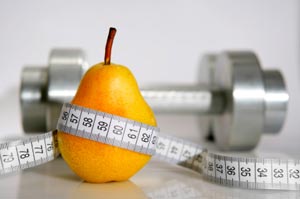


In the upcoming April issue of Good Housekeeping magazine, Dr. Mehmet Oz will unveil his newest weight loss wisdom to help readers lose weight forever. His One Day Diet claims that he can help readers lose up to two inches and 10 pounds in four weeks — and stay slim forever.
The Mediterranean style diet allows for a total of 1,450 calories (300 calories for breakfast, 400 for lunch, 500 for dinner, and 125 for each snack). In the magazine, Dr. Oz provides a 7 day sample diet plan, which allows for meal swaps and includes recipes. In addition to the meal plan, Dr. Oz has 5 simple rules to help you lose 10 pounds in a month. These rules include:
- Rule 1: Renew Your Vows Daily
- Rule 2: Do Something Completely Different Every Day
- Rule 3: Set Your Kitchen on Automatic. Arrange your pantry, fridge, and life so your only choices are good ones.
- Rule 4: Keep Your Belly Full
- Rule 5: Extend the Burn
Read Full Post >
Tune in this Tuesday, November 23 to The Doctors when the most popular diet and health myths are exposed.
On hand to debunk commonly held ideas, like whether celery really does promote weight loss or if sugar really does make kids hyperactive, is Liz Vaccariello, The Doctors’ Health Investigator, author of the Flat Belly Diet and the upcoming 400 Calorie Fix.. On the show, Liz will let you know if there is a diet that makes you smarter, whether it’s OK to eat expired food and much more.
Read Full Post >
Vegetarianism isn’t just about eating ‘bunny food’ and pounds of tofu everyday. There are a lot of myths surrounding vegetarianism; everything from how healthy going vegetarian really is for the human body all the way down to how to make proper meatless nutrient substitutions. We have compiled a list of the most prevalent vegetarian myths out there and are here to set the record straight.
MYTH: Vegetarians don’t get enough protein.
FACT: Protein doesn’t only come from animal sources. Protein can be found in veg-head-friendly foods like beans, whole grains, and vegetables. Some great sources of protein for vegetarians are tempeh, quinoa, almonds, brown rice, and pinto beans. In addition, most people, vegetarian or not, get more protein than they need in a day, so extra effort to add protein to your diet is usually unnecessary.
Read Full Post >
Getting your kids to eat a healthy meal is often a struggle. You can’t blame a parent for resorting to a little trickery. We’ve all done it. I pride myself on serving fresh, whole foods and always telling my kids the truth about foods; what’s in them, what’s not, why this food is better than another for your body. But I’m also guilty of some fibbing or well-intentioned browbeating in the name of good health.
- Eat the crusts of your bread – it will curl your hair – Absolutely untrue, although I tried for years and actually volunteered to eat my curly headed sister’s crusts.
Read Full Post >
Last week we started busting food myths, which included whether eggs spike your cholesterol and what alcoholic drinks have health benefits. This week we finish the series with a focus on produce and caffeine. If you have any other food myths that you would like busted, let us know and we will bring you the facts!
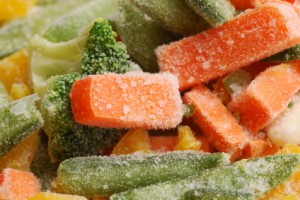
Myth: Fresh vegetables and fruits are more nutritious than frozen ones.
Fact: The truth of the matter is that not everyone has access to a farmers’ market where produce can be purchased very soon after it has been pulled from the ground. With that said, the produce you are buying in your grocery story is very likely older than you think.
Read Full Post >