





Diets in Review - Find the Right Diet for You

arthritis


Yoga for Arthritis

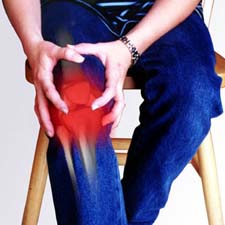
Arthritis is a condition defined by inflammation in one or more joints, coupled with stiffness, soreness and a limited range of motion. According to the Center for Disease Control, arthritis affects nearly 50 million Americans, and that amount is expected to rise. There are over 100 types of arthritis and the causes include but are not limited to obesity, lack of exercise, improper auto immune response, and the overuse of a misaligned joint.

However the painful condition has come about, the treatment and management of it is very important. Doctors recommend that arthritis sufferers get some moderate exercise and eat right to maintain a healthy weight.

Yoga, because it is a non-impact activity, is a very beneficial way to get some moderate exercise. Yoga poses strengthen the muscles surrounding the joints in a gentle way so the rate of progression of arthritis is slowed and moving becomes less painful. As a result, the symptoms of soreness and stiffness are more properly managed.

Read on to learn about a few basic guidelines to adhere to when practicing yoga with arthritis. Always remember to check with your doctor before embarking on a new type of exercise. In addition, speak with your instructor to learn about modifications you might find useful.


Read Full Post >


Eat Fewer Tomatoes to Reduce Arthritis Symptoms

By Delia Quigley for Care2.com

“If nightshades can be eaten or used sparingly, arthritis can be slowed in developing.” The Arthritis Nightshades Research Foundation

Summer gardens are bringing forth an abundance of nightshade foods destined for your dinner plate, your fresh tomato salad, or scattered across a slice of hot cheesy pizza with peppers. Nightshades or the Solanaceae family, cover some 2,800 species of plants, herbs, shrubs and trees, but the nightshade foods you most often consume include:

  • Eggplant
  • Potatoes
  • Peppers (hot and sweet)
  • Tomatoes
  • Tomatillos
  • Paprika
  • Cayenne
  • Pimentos
    Read Full Post >


Relieve Gout Attacks Fast Without Prescription Drugs

This guest post comes from Gale Tern, author, alternative health proponent, and blogger at Arthritis Pain Central.

Gout is usually thought of as the big toe disease since one of its most common symptoms is acute pain in the big toe. Gout is actually a type of arthritis. Here is how the National Institutes of Health defines gout: “Gout is a painful condition that occurs when the bodily waste product uric acid is deposited as needle-like crystals in the joints and/or soft tissues. In the joints, these uric acid crystals cause inflammatory arthritis, which in turn leads to intermittent swelling, redness, heat, pain, and stiffness in the joints.”

What Causes Gout?

The major risk factors for gout are:

  • Family history. Genetics seems to play a role. If your parents or grandparents suffered from this disease there is a high likelihood that you will as well.
  • Weight. Being overweight also increases the risk of developing gout. Some researchers suggest that due to having more tissue mass that can breakdown inherently leads to even greater production of uric acid.


Read Full Post >


Eat More Ginger to Reap Anti-Inflammatory Benefits

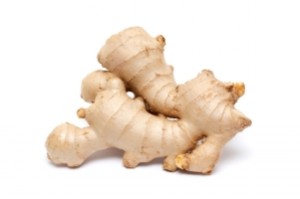
Ginger is a calming spice that has long been touted not only for its ability to add a powerful punch of flavor to both sweet and savory recipes, but for its nutritional and anti-nausea properties. Now, doctors and experts are saying that it may be a powerful weapon to help combat certain types of inflammation that cause pain.

Because ginger contains dozens of phytonutrients called gingerols, it is a powerful agent to help fight inflammation, including the kind that causes arthritis pain. According to the Huffington Post, Japanese researchers recently reported in the Journal of Medicinal Food that red ginger is used in Indonesian traditional medicine as a painkiller for arthritis.


Read Full Post >


Arthritis Risk Higher with Early Bad Nutrition

It is estimated that 46 million adults in the United States have been diagnosed with some form of arthritis. With that many people suffering from the painful ailment, could their hope lie in the hands (well, hooves) of the moose?

Many of the moose of Isle Royale, located in the northwest of Lake Superior, have been found to suffer from arthritis and scientists say that the origin of their arthritis may help explain human osteoarthritis, which is the most common type of arthritis.

According to 50 years of research, the moose ended up with arthritis due to bad nutrition early in their lives. The scientists believe that this may mean that people can link their arthritis to not only nutrition in their childhood, but even back to the womb.
Read Full Post >