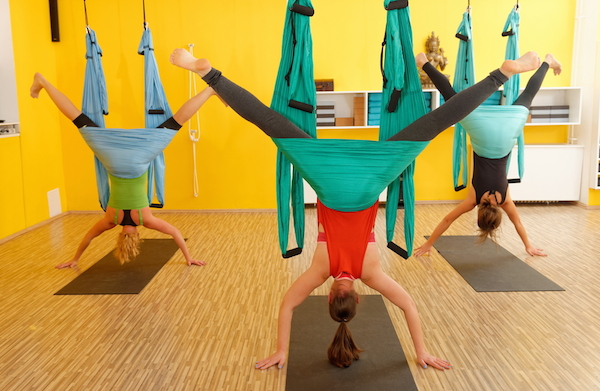
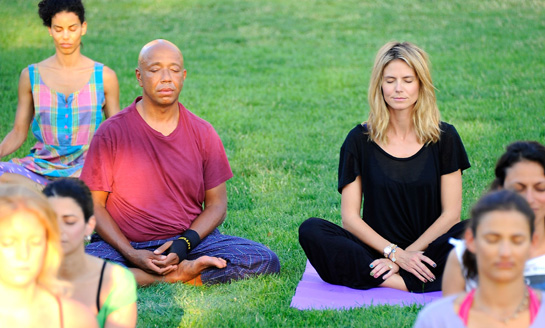
Picture a serene room full of calm smiles, deep breaths, and mindful movements and you have an idyllic yoga setting. Peaceful instrumental music strums in the background as the sunlight peaks through the windows. Sounds perfect, right? Like just the place for tranquility and happiness! So why do some yoga sessions make you feel more stressed out afterward? Here’s a hint: It’s not about the setting. And it’s all about you. Here are 5 things you may be doing to sabotage the success of your yoga class, and easy fixes for each.
1. You Arrive Late
Nothing disrupts the first sun salutation like rushing in a few minutes late, squishing in between the rows to find a spot for your mat, and attempting to collect yourself after class has already begun. The first and last few minutes of class are arguably the most important and beneficial for your mental and physical health: crucial moments to slow down and check in with your mind and body.
Instead? Shoot for setting up your mat 10-15 minutes BEFORE the class is set to start. Use this time as much deserved “me-time” to stretch, close your eyes, do whatever you need to do to set your day aside and focus on what your yoga practice may bring you that day.
2. You Compete with Your Neighbor
Your yoga practice should be just that: yoga PRACTICE. This means there is no good or bad, right or wrong way to do it. As long as your alignment is safe, and you are not bringing harm to yourself or others, all is fair game. It might be tempting to check out the skinny-mini with her designer tank top in the front row (…how is her Warrior II lunge that low?!), but you’re not doing anyone any favors, especially yourself.
Instead? Keep your eyes closed if you have to, and focus on how your practice feels on the inside, rather than how it looks on the outside.
3. You Add to Your Mental To-Do List
Inhale arms up (“eggs, milk, spinach”), exhale forward fold (“run to the bank, fold my laundry”). Does this sound like your internal monologue during your class? It can be tempting to tune out and let your body to the work while your mind wanders. But the most powerful part of these 60 to 90 minutes are arguably your work on staying present.
Instead? Set your to-do list aside because you can always pick it up the second class ends. But for now, connect your breath and movements together so tightly that there is no room for any other thoughts.
(more…)