





Most people overeat at Thanksgiving, it’s a matter of fact. According to the American Council on Exercise (ACE), the average “Turkey Day” plate is 3,000 calories. That’s not counting “seconds” or any snacks people have before the big meal. One way to cut back on the calorie damage is to make healthier versions of your favorites. (Do you really need four sticks of butter in that stuffing?) One of my personal faves is making an apple pie with 1/2 cup of fresh cranberries and instead of a high fat top crust, use thinly sliced apples that get crispy with baking.
But could there be something else going on that has nothing to do with how the food is prepared or the portion size you choose? Heck yeah. Is your diet diva going to tell you? Absolutely.
It’s called food “complexity” and “taste satiety.” Basically, you overeat at Thanksgiving because you are eating mindlessly. You’re not taking the time to intentionally slow down, serve yourself a small amount of food, and enjoy and savor each bite. If you did this, you’d get full well before you hit the 1,500 calorie mark, maybe even before hitting 1,000 calories.

On episode six of Lifetime’s DietTribe, Stephanie turned 40 and celebrated the milestone with her friends and family aboard a glamorous boat for a memorable birthday.
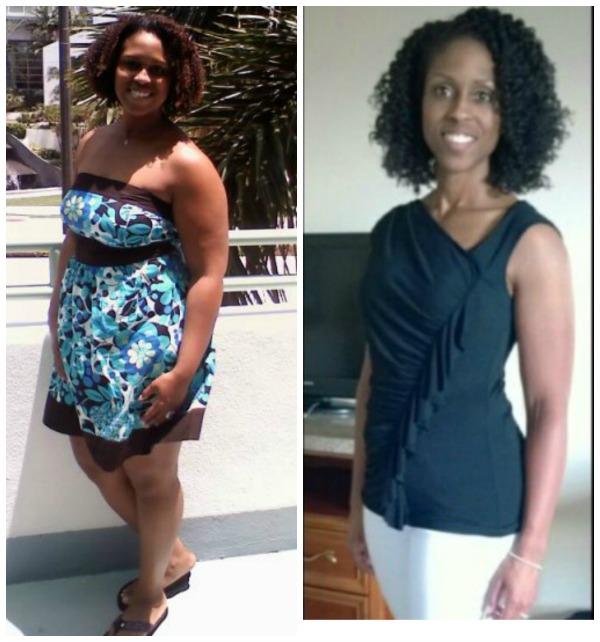
The episode first kicked off with an emotional reunion between sisters Tiffany and Stephanie and their family members who came in to town just for the birthday celebration. Then to the tune of music, dancing, teary speeches and of course, birthday cake, the girls, clad in gown sizes they hadn’t worn in years, toasted not just Stephanie’s birthday, but their collective weight loss success as well.


Have you ever had that moment when you look at your to do list, schedule or inbox and feel entirely overwhelmed? Have you ever had a project that you put off because of how long it would take to complete? Fitness and weight loss goals can often feel overwhelming because they are complicated tasks that require an investment of time. If you are like me, you prefer tasks that can be completed quickly and easily (which is likely why diet pills are so popular despite the risks and lack of long-term effectiveness).
Losing 20 pounds, being able to complete 10 pull ups, running a marathon, eliminating trans fats, or being able to terminate certain medications can seem like overwhelming tasks. It is not surprising that so few people actually make changes recommended by their doctors if they believe it would be too difficult. If you can break these tasks into smaller steps, they can seem more manageable.

I train at a gym in Beverly Hills, California and have had great success with the majority of my clients. I swear its as simple as watching what you eat and exercising five days a week.
Several female clients of mine have come to me over the past few months and stated that they really wanted to lose weight. I told them to write down everything that they ate and what activities they did each day outside of the workouts that we were doing together. After a few months of keeping a food journal and activity log, every single client saw results and were completely satisfied with how they were feeling and looking.
Below are the top weight loss tips and a sample exercise routine that I use with my clients who are trying to lose weight.

As I write this, some 54 million Americans are living with pre-diabetes, according to the Centers for Disease Control and Prevention, and they may not even know it. November is National Diabetes Awareness Month. As the daughter of a type 2 diabetic, I know first-hand what it is like living with the disease. Between medications, finger sticks, foot checks, vision tests, and the daily grind of nutrition and exercise, it can be a lot for people to manage, especially after years of unhealthy habits.
So, wouldn’t it be great if you knew what you could do to control your diabetes, or better yet prevent diabetes, in the first place? Well, you’ve come to the right place. This blog post will describe the top three steps you can take to prevent or reverse type 2 diabetes.
