Tune-in tomorrow, Tuesday, November 10, to Sesame Street to catch first lady Michelle Obama participating in the show’s 40th anniversary season premiere. 
Michelle Obama will be featured in a segment with four young children and introduce the idea of vegetable gardening. She’ll show them, and Big Bird, how planting seeds in the ground will yield fresh, healthy vegetables like carrots, cucumbers, tomatoes and lettuce.
Last week Michelle Obama announced childhood obesity as one of the issues she would focus on, and Sesame Street is a fitting place to share that message, encouraging young children to eat a balanced diet that includes many vegetables.

You’ve seen the cookbooks and heard the buzz. “It’s a great way to sneak vegetables into your kid’s daily diets and bypass their picky palates!” scream the reviews. I’m talking, of course, about the practice of adding veggie purees to foods that you wouldn’t ordinarily suspect – beets in brownies or spinach in chocolate chip cookies, for example.
No, I’m not kidding. Spinach is a fine food and a great addition to an entire roster of dishes – but not, in my mind, a yummy addition to my beloved chocolate chip cookies. Which are just fine on their own.
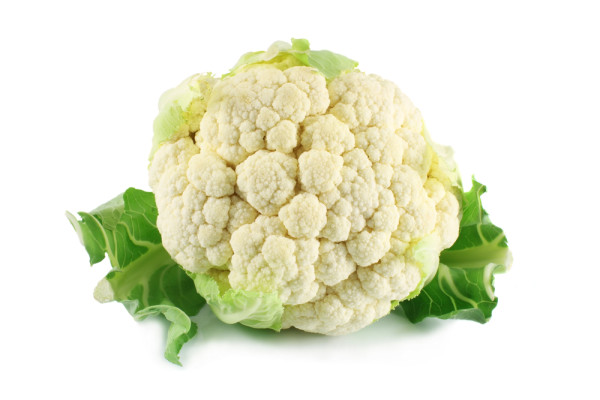
I think that vegetables are a tricky subject for many kids. Vegetables have strong flavors, and many children are averse to them, but in my mind sneaking them into other, less nefarious foods is the wrong tact to take. Don’t get me wrong – I frequently add shredded carrots to my bolognese sauce, for extra flavor, and have been known to add cauliflower chunks to my homemade macaroni and cheese – but my kids know that I’ve done so.

Eat your fruits and veggies. It’s the most stated fact of healthy living. Unfortunately, it’s falling on deaf ears.
Fruits and vegetables are the backbone of a healthy diet. They are almost always low in fat and calories, and packed with vitamins, minerals, fiber, antioxidants, and so much more. And oh, there’s no cholesterol.
But, according to the 2009 State Indicator Report on Fruits and Vegetables, only 14 percent of American adults are eating the recommended daily servings of fruits and vegetables. The government study says that even less (10 percent) of high school students are getting enough fruits and vegetables.
The report is meant to shine a light on a campaign to get at least 75 percent of Americans to eat two or more daily servings of fruit, and for at least 50 percent to consume three or more daily servings of vegetables.

If you could do something to prevent cancer, would you do it? You might say “yes,” but unfortunately you might not actually do it. How’s this for an alarming fact?
At least one-third of annual cancer deaths in the United States are related to dietary factors. Increased fruit and vegetable consumption can reduce cancer risk, but less than one-third of U.S. adults eat the recommended servings of fruit and vegetables every day, according to the Centers for Disease Control and Prevention.
Eating healthy, including fruits and vegetables loaded with phytochemicals (powerful antioxidants), and following a low fat diet helps people manage weight and prevent disease! Think about it, every day you have choices of what to eat. You have the power to keep yourself healthy from the inside out.

Along with fall comes the seasonal flu. It’s inevitable. People at high risk of catching the flu should protect themselves first and foremost with a flu shot. The Centers for Disease Control and Prevention has great information on steps you can take to prevent a flu infection. It includes the basics like washing your hands and avoiding people who exhibit flu-like symptoms. But I’m going to focus on an area that is often overlooked – your immune system.
The job of your immune system is to protect your body from bacterial and viral infections, such as the ones that cause the common cold and seasonal flu. The immune system protects you in three different ways:
- It creates a barrier that prevents bacteria and viruses from entering your body (your skin).
- If a bacteria or virus does enter the body, the immune system tries to detect and eliminate it before it can make itself at home and reproduce.
- If the virus or bacteria is able to reproduce and start causing problems, your immune system is in charge of eliminating it.