Listen up parents! Making sure our preschool children get their ’5 a day’ (servings of fruits and veggies) can be easy and painless… if you are prepared. Providing our kids with a healthy foundation, helping them acquire a taste for fruits/veggies will be something that stays with them for the rest of their lives. If they get used to eating fresh produce as kids, that will often translate in to adulthood.
Working with a pediatric population, parents repeatedly ask the same questions. So here’s what I tell them.

Kids can get overwhelmed when they see large portions. Serve appropriate amounts for the child’s age. A 2-3 year-old needs one cup fruits and one cup veggies while 4-8-year-olds should consume half a cup more, respectively, per day.
Offer a healthy snack consisting of fruits/veggies every afternoon. Before long kids will know what to expect and look forward to this healthy treat. A few ideas to get started include Fruit Kabobs with Yogurt Dip, Fresh Strawberry + PB Sandwich, and One Ingredient Banana Ice Cream.
Try a new fruit/veggie tomorrow. If today it’s pears, tomorrow try oranges. Mix it up and keep kids interested. Have them take a bite and if they don’t like it now, let them try it again another time. “I don’t like it now” doesn’t mean “I don’t like it forever.”
Read Full Post >
We want you to start this year off right not only for yourself, but especially for your kids! That’s why we’re teaming up with Copy Kids to make sure a copy of their inspired DVD ends up in your home, plus a little extra incentive to keep the healthiest food possible in your home.
We’re giving away a Copy Kids DVD with a $50 Whole Foods Gift Card!

How to Win:
1. LIKE the Copy Kids Facebook page
2. LIKE the DietsInReview Facebook page
It’s that simple! Like both pages on Facebook and we’ll draw one winner to take home this prize pack that will set you and your kids in the right direction this year.
Read Full Post >
By Janis Jibrin, M.S., R.D., lead nutritionist for TheBestLife.com
We all know that we should be trying to reach our daily vegetable goal (that’s at least three servings). But it’s not just the quantity that’s important—the types of vegetables you pile on your plate can make a big difference to your health. Your goal: Eat at least one vegetable from each of the following three groups daily. Do so and you’ll reap some serious health and nutrition benefits.

Cruciferous Vegetables
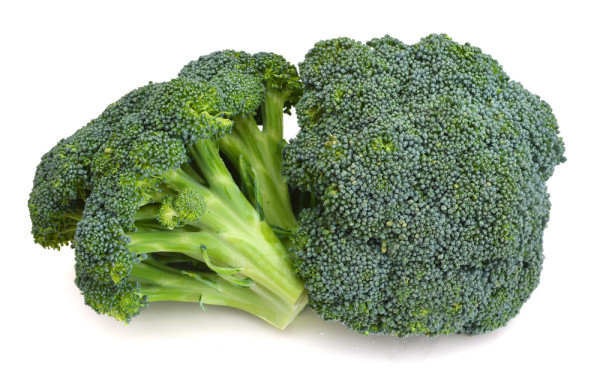
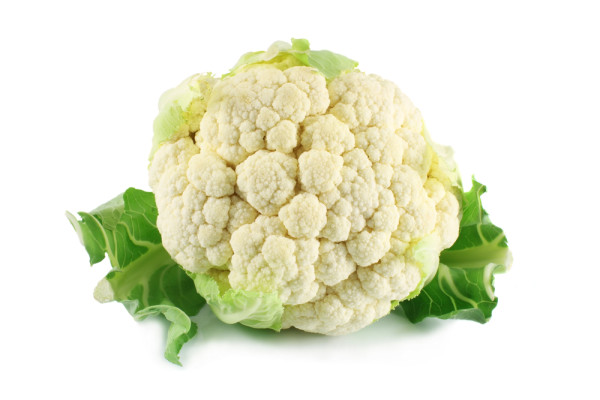
Examples: Arugula, bok choy, broccoli, broccoli sprouts, Brussels sprouts, cabbage, cauliflower, collard greens, kale, kohlrabi, mustard greens, radishes, rutabaga, turnips, turnip greens, and watercress.
Read Full Post >
I spent a week in Portland, Oregon with my husband this fall. We fell in love with the city instantly and felt right at home with its laid back vibe. We hiked Mt. Hood, explored Hawthorne, did wine tastings straight from the barrel, I took a pole dancing class, and coveted the Portland Farmer’s Market.
It was just the getaway we needed – a lot of time outdoors, a lot of good wine, and a lot of even better food. The first meal we had came within an hour of stepping off the plane and it was a Banh Mi sandwich. It’s a Vietnamese sandwich that has become quite the trend recently, and I feel like we got treated to one of the best around.

The small bakery cafe served up the best French bread I have ever tasted. Stuffed inside, like any traditional Banh Mi, was pork, vegetables, and a dressing. Before I’d finished the first bite I knew I’d found something spectacular.
So good, in fact, I knew I’d have to create my own, especially after I learned that a standard Banh Mi can hit 600 calories with the pork, bread, and dressing! With simple ingredients like pork and vegetables, why couldn’t I make one that was better?

I got my chance when a holiday party needed something more substantial than cookies and champagne. Inspired by a true Banh Mi, I turned this traditional recipe into sliders and shaved off a few hundred calories in the process. Each of these sliders has only 181 calories!
Read Full Post >
Artichokes: Where do I begin? As a child I was absolutely terrified by them and as an adult I’m still a little bit unsure of their distinct texture, taste and shape. When I order a salad at a restaurant and it comes with artichokes, I usually manage to eat about half before throwing in the towel. However, I think the problem here is two-fold: 1) I didn’t realize how good they were for you, and 2) I’ve never actually cooked them myself. However, all of that’s about to change. 
Health benefits: It’s no surprise that artichokes are a staple in the Mediterranean diet as they’re loaded with vitamins C and K, folate, magnesium, potassium and manganese.
Like many other fruits and veggies, artichokes are also high in fiber – nearly 10 grams in one medium choke. Each serving also contains approximately 3-4 grams of protein and less than one gram of fat for a satisfying, healthful indulgence. One of the tricks to getting the most nutrients out of your artichoke is eating the whole vegetable. If you opt only for the hearts, you will inevitably miss out on some of the vitamins and minerals. However, with that being said, the hearts are still worth devouring as they’re no doubt a healthy, low-calorie food.
Nutritional statistics: 1 cup contains approximately 76 calories, 1 g fat, 15 g carbohydrates, 8 g of dietary fiber, 1 g sugar and 5 g protein.
Read Full Post >