The United States Army is investigating whether certain dietary supplements marketed towards athletes may have played a role in the deaths of two U.S. soldiers.
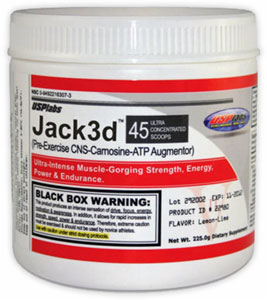 Top dietary supplements like Jack3d and OxyElite Pro were removed from military bases after two soldiers died last year from heart attacks during exercise, according to a spokesman for the Army’s assistant secretary of defense for health affairs. Last summer, a 22-year old soldier collapsed during a training run with his unit. Last fall, a 32-year old soldier at the same base collapsed after a physical fitness test. Toxicology reports show they had active ingredients from these supplements in their system, although they will not identify which ones.
These types of supplements are so popular among athletes because they contain the ingredient dimethylamylamine (DMAA), which is advertised to increase energy and metabolism. As a precaution, the Defense Department has removed all products containing DMAA from stores on military bases pending an Army safety review, said Peter J. Graves, an Army spokesman.
Makers and retailers say that DMAA is a dietary supplement, but many medical experts said it should be classified as a drug, which would require it to earn approval from the Food and Drug Administration before it could be marketed to consumers. Many sports organizations, including the World Anti-Doping Authority, who regulates drug use by Olympic athletes, and several professional sports leagues have listed DMAA as a banned stimulant. In Canada, where the government health agency actually has already classified DMAA as a drug, companies cannot sell products containing the stimulant if they are marketed as diet supplements.
(more…)