
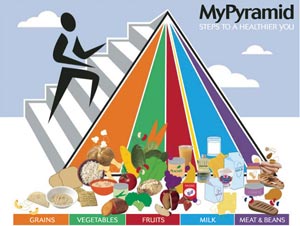




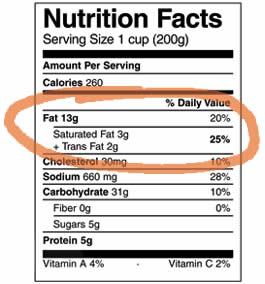
Well, they came a month late, but the much anticipated 2010 Dietary Guidelines for Americans have finally been released. The USDA and Department of Health and Human Services work together every five years to update the Dietary Guidelines to reflect changing and new research. The new guidelines aren’t drastically different than years before, but do reflect an urgency to address the growing obesity epidemic.
A few highlights from the new guidelines include a push to reduce daily sodium intake, eat more fresh fruits and vegetables and cut added sugars, especially those in sugary drinks.
Learn more in this video recapping the new guidelines:
The average American consumes around 3,400 mg of sodium per day. The new Guidelines recommend reducing that number to 1,500 mg, or 1 teaspoon, of sodium, especially for those who are 51 and older, African American, or have hypertension, diabetes, and/or chronic kidney disease. Many believe that focusing on slashing salt in our diets will in turn also cut our saturated fat intake.
If you’re like me and have a serious sweet tooth, sometimes baked goods are just too hard to resist. But with many baked goods being high in trans fats (especially the processed ones or recipes with shortening) and low in nutrition, they’re really best eaten rarely- very rarely.
There is a loophole, though — making your own! When you bake at home you know exactly what’s in your food, so you can nosh guilt-free. In fact, there are tons of tricks to turning a regular recipe into a low-fat recipe! All it takes is a little ingredient experimentation and some time in the kitchen. Read Full Post >
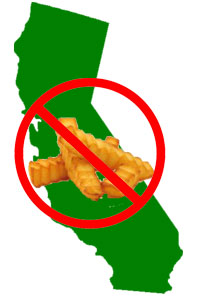
Now that Americans, food manufacturers and restaurant chains have made trans-fats part of their every day vernacular and a daily avoidance in their diets, enter a new unhealthy fat also found in processed foods: Interesterified fat.
A bit more difficult to pronounce than “trans fatty acids,” but equally dangerous, interesterified fats are liquid oils, rather than a semi-solid fat, like the now taboo, trans fats.
To get a jump on this new addition to the health dictionary, read on to learn where this additive may be lurking in your kitchen and how it might be hurting your health.
If you followed along with Jamie Oliver’s Food Revolution, you might have seen his experiment on the very first episode with a handful of elementary school children and chicken nuggets. In the experiment, Jamie shows how all the “unused” bits and pieces of chicken are ground up along with all the fat to then be processed into what we all know as the chicken nugget. While the children shrieked during the process, upon completion of cooking these nuggets, Jamie was shocked to learn they were still open to eating them.
Well, not being fat. But, eating certain fats is not only good, but necessary for optimal health. You should also realize that you don’t have to totally eliminate so-called “bad” fat, such as saturated and trans fats, from your diet; the key is to minimize. Once you do that, it’s time to recognize the fats that are beneficial to your health.
The good news of certain fats being healthy has been pretty well propagated in recent years. But, many people still don’t know it. Or, if you do know, you may not know which name they go by and where you can find them. Here’s the 4-1-1 on healthy fats:
Monounsaturated Fats
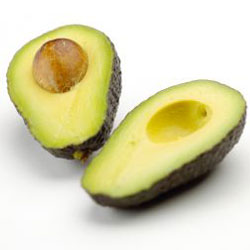
Monounsaturated fats have an amazing trait: they have the selective power of lowering LDL “bad” cholesterol, while increasing HDL “good” cholesterol. So, where do you get these wonder fats? Nuts like peanuts, walnuts, almonds and pistachios are all good sources of monounsaturated fats. Other sources include avocado, canola oil, and olive oil. Monounsaturated fats have also been found to help with losing weight. Read Full Post >