Obesity rates and other related statistics are rolled out every year, sometimes even more frequently, with each seeming worse than the last. The U.S. is on a fast train that’s heading towards a brick wall, unless something can be done to put on the brakes, and better yet, put it in reverse!
The overriding question that has to be on everyone’s mind is how did we get here and why does it seem we are helpless when it comes to making better food and lifestyle choices?
There is no doubt that a major component to our growing obesity problem is that we are less active than ever before. We live in a technology-based world where more and more of us sit in front of computers and televisions (remember when you didn’t have 300 channels and the entire world’s information at your fingertips?). Even careers in manual labor fields that provide some form of physical exercise have become more automated.
Read Full Post >
Who didn’t grow up eating peanut butter sandwiches? While peanut butter and jelly has been a lunchbox staple for as far back as anyone can remember, the delicious sandwich spread is far from diet-friendly.
“Peanut butter in its basic or pure form is a healthy source of protein,” said Oliver Gerard Heffern, owner of glor foods. “It’s what’s added there after that can cause concern: sugars, preservatives, additives and colors.”
According Brandon May, author of The Healthy Advocate, peanut butter label claims can be be misleading. “No matter which brand, any peanut butter labeled ‘reduced fat or ‘low-fat’ should be avoided,” May said. “They typically have fillers that increase the sugar content, making them potentially more harmful to your health than a higher fat version.”
Additionally, most commercial peanut butters have oils that have been fully or partially hydrogenated, which creates trans-fat. “It isn’t peanut fat that’s a problem, it is the trans-fats in the peanut butters that contributes to poor health,” said May. “Any peanut butter labeled ‘natural’ or ‘organic’ will not have hydrogenated oils, but you should always check the label to see the sugar content.”
Read Full Post >
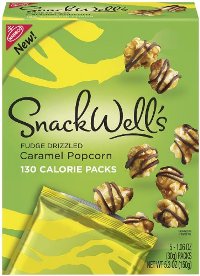
Remember SnackWell’s snack cakes? Think back to the mid 90s and you might remember the distinct green packaging and popularity of their Devil’s Food Cookie Cakes. Nabisco SnackWell’s came along in 1992 and grew enormously popular as the go-to brand for low-fat snacks. Unfortunately, other brands caught on to the low calorie snack craze and forced SnackWell’s to stop advertising in 2005.
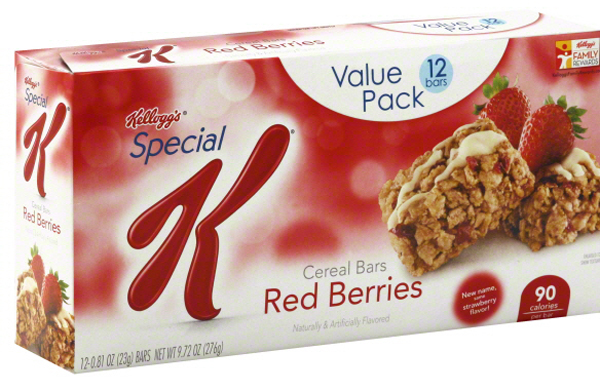
Now SnackWell’s is reintroducing the brand with several new snacks that are higher in calories than the popular 100 calorie portioned snacks that are widely available. The new offerings from SnackWell’s will have a very different packaging and will vary in calories but range from 130 to 150 calories per serving.
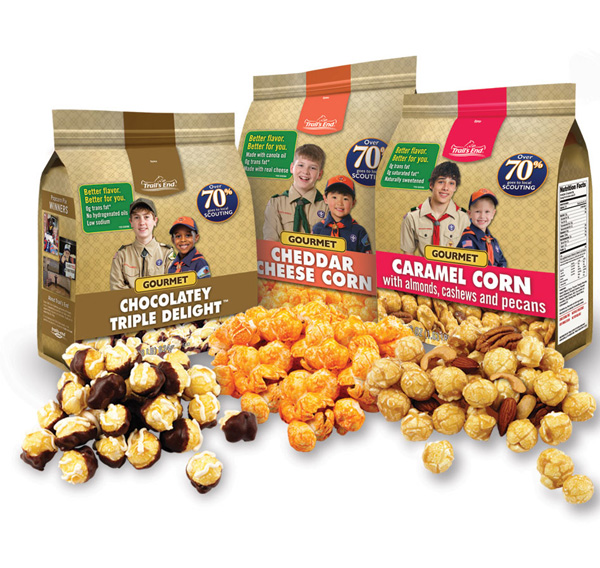
Although these snacks offer a low calorie count, all calories are not created equal. This product line is still very highly processed. The new products from SnackWell’s include Cinnamon Raisin Cereal Bars, Peanut Butter Cereal Bars, Chocolate Cereal Bars, White Fudge Drizzled Caramel Popcorn, Fudge Drizzled Caramel Popcorn, Vanilla Crème Brownie Bites, Fudge Crème Brownie Bites and Fudge Drizzled Double Chocolate Chip Cookies. A closer look at the ingredients on these new products reveals that most of them have brown sugar, sugar, maltitol syrup and corn syrup listed in the first five ingredients. They also include things like fructose, which is also a form of sugar, and partially hydrogenated cottonseed oil which is trans-fat. The products are still allowed to make the claim of being trans-fat free if they contain less than 0.5 grams per serving, which is the case with the SnackWell’s products. This new product line proves the importance of reading nutrition labels.
Read Full Post >
File this one in the “goes against everything we’ve been told” file.
A recent study published in American Journal of Physiology-Heart and Circulatory Physiology suggests that a high-fat diet is OK and even beneficial for the heart. The study, which looked at cardiac function in patients suffering from heart failure, found that that a high-fat diet improved the heart’s ability to pump, along with boosting cardiac insulin resistance (which reduces the risk of diabetes). Sounds pretty different than what we’ve been told all along right? That eating too much fat is bad for the heart?
Not so fast. According to the study which was funded by the National Institutes of Health, the American Heart Association, and the Case Center for Imaging Research, all fats are not created equal. In fact, a balanced diet that includes mono- and polyunsaturated fats, and which replaces simple sugars and highly processed foods with complex carbs, are most beneficial for damaged hearts. Notice what wasn’t on that list of a healthy diet? Trans fats or saturated fats.
Read Full Post >
Are you feeling down in the dumps about all that junk food you’ve been eating lately? Well, it may literally be the junk food that is making you depressed.
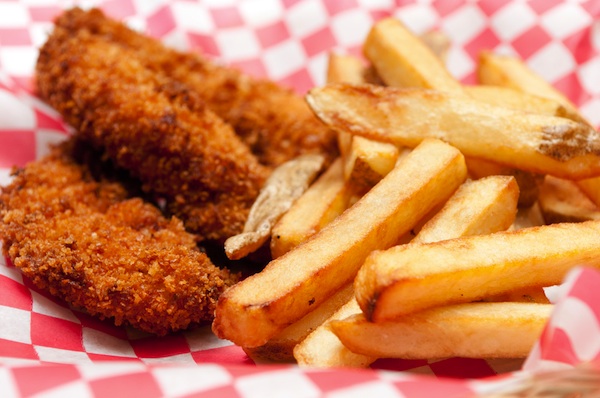
The results of a six-year study out of Spain has come to the conclusion that people who eat food high in trans fats and saturated fats have an increased risk of depression. Trans fats are used in fried foods, shortening and all kinds of processed foods.
“Participants with an elevated consumption of trans fats presented up to a 48 percent increase in the risk of depression when they were compared to participants who did not consume these fats,” said Almudena Sanchez-Villegas, associate professor of preventive medicine at the University of Las Palmas de Gran Canaria.
Read Full Post >