



Anyone can start a weight loss program. All it takes is a modicum of willpower and a loose plan. There are even mainstream services, such as Weight Watchers, that can provide a guide. The difficult part, and the part where most people fail, is following through. Willpower can take us only so far. We need something extra in order to stick with our plans for the long haul.
The intersection of two recent ideas can perhaps provide a solution. Both feedback loops and the quantified self involve recording data, and then viewing that data from multiple angles. It makes us aware of our behaviors and habits, and awareness is the first step to change.
Using technology to our advantage
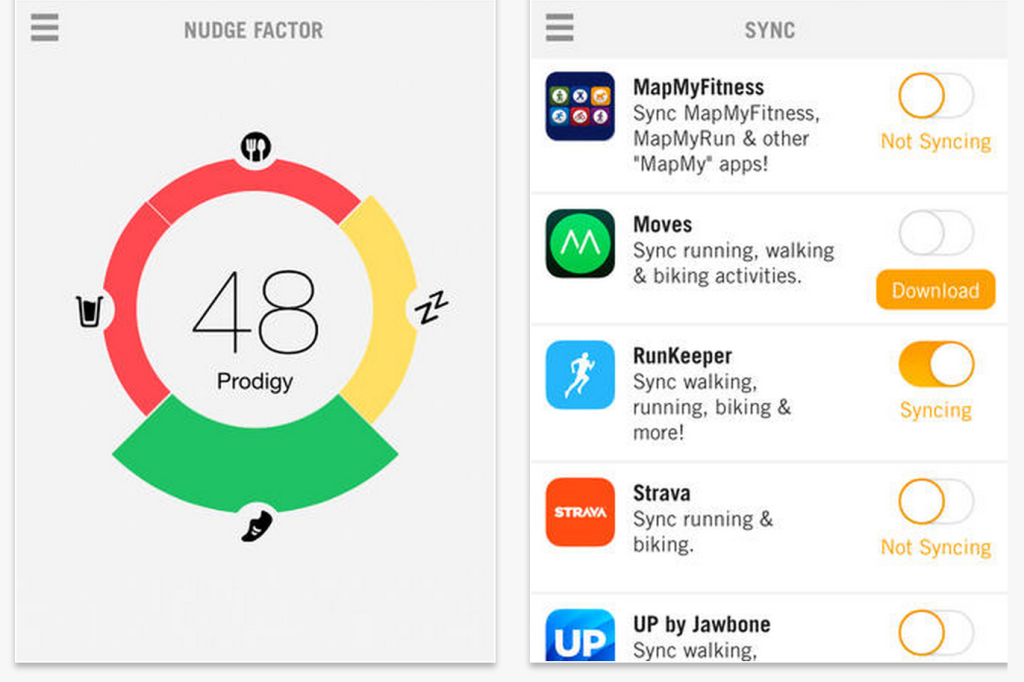
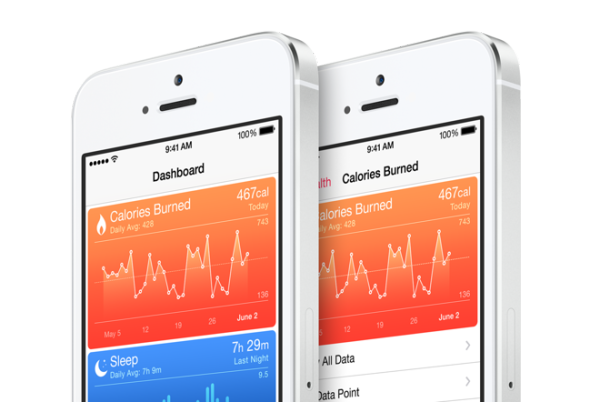
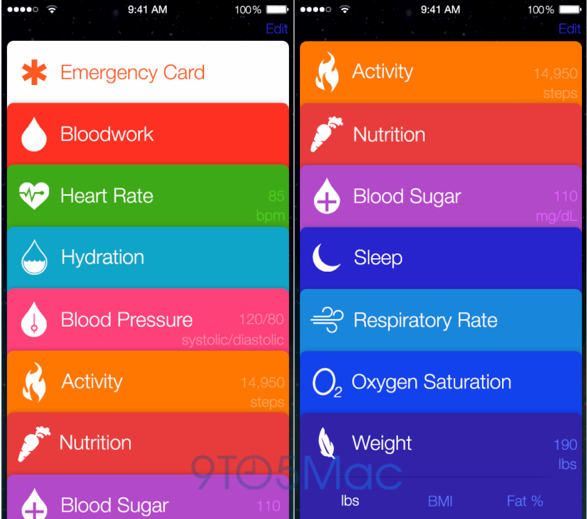
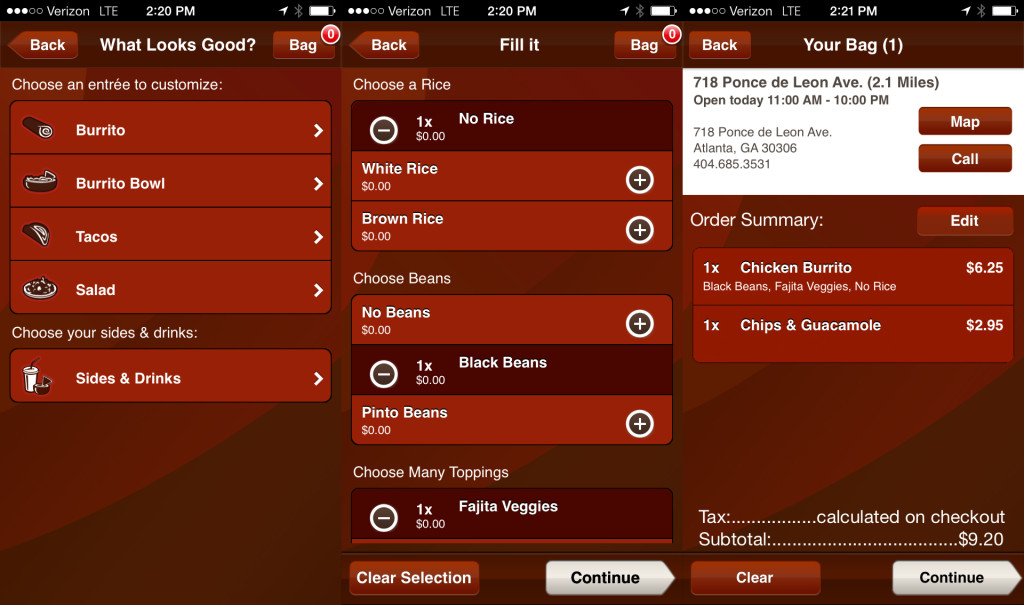
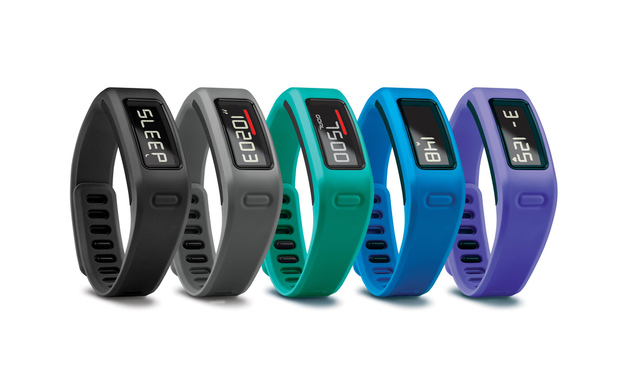
Perhaps the biggest issue in creating feedback loops and achieving the quantified self is the actual recording of the data. After all, feedback loops only work if we can place our habits and behaviors in front of us. Thankfully, smartphones — devices we have with us at almost all times — can play a large role in data recording. There are apps specifically designed with feedback loops and the quantified self in mind for dieters.
Read Full Post >
April 30th through May 6th is Screen Free Week, originally known as TV-Turnoff Week starting in 1994. As we have grown more and more dependent on technology for entertainment with the growth of the internet, smart phones, and apps targeting children and even toddlers, TV-Turnoff Week became Digital Detox Week in 2008 and Screen Free Week in 2010.
Screen Free Week is supported by more than 70 organizations including the American Medical Association, the American Heart Association, Big Brothers Big Sisters of American, the American Academy of Pediatrics, and the YMCA. Screen Free Week is a great opportunity to save money on electricity, build family relationships, and get a few other projects done around the house. It may be tempting to think that a technology-free week will be impossible and you will run out of things to do, but here are 30 things you can do that do not require technology and may even make you a little fitter.
- Take a walk
- Go camping
- Climb a tree
- Re-paint your kitchen
- Catch up on your laundry
- Get a massage
- Mow the lawn
- Try a project (or twenty) you found on Pinterest*
- Take a yoga class
- Take a dance class
Read Full Post >
What will they think of next? Apparently a refrigerator that will help you diet.
At the 2012 Consumer Electronics Show (CES) in Las Vegas, LG introduced a fridge like no other. LG, one of the largest appliance companies in the world, is recognized for its innovative technologies. Among the newest additions to its Smart ThinQ appliance line is the refrigerator that contains a health manager feature. The health manager, built in to the refrigerator, claims to help the user maintain their diet. It also sends recipes to a Smart Oven and alert the user when particular groceries need to be restocked. All of this can be managed from an iPhone app.
The health manager is customizable and can set individual family member profiles to cater to each of the unique dietary needs in the home. The manager can also be controlled through voice recognition.
Read Full Post >
By Jill Buonomo
What’s one thing most busy parents have in common? Trying to get through their day while mulling over the question, “What’s for dinner?”
We could all use a little help to ensure that healthy and affordable meals make it to the table every evening, and mobile meal planning apps make that possible. It’s easier than ever to take a moment at lunch or during your child’s soccer practice to thumb through your phone and put together that night’s dinner, or even be proactive and plan the entire week’s meal plan.
Check out some of the best meal planning apps available.
Mark Bittman’s How to Cook Everything (iPhone, iPod Touch, iPad)
The highly popular food writer and author has made cooking and meal planning that much easier with an app version of the bestselling cookbook How to Cook Everything.
Read Full Post >
Two new weight-loss products that use text messages launched this summer: Self’s Diet Tapper and textWeight. Both send you regular messages that are intended to keep you on track and motivated to reach your weight loss goals. I signed up for three weeks of both services to see how they compare.
Basics
Beyond the fact that both services utilize text messages and provide weight-loss tips, the similarities don’t go much further.
TextWeight asks you to send in your weight, and with the data you reply, creates a graph of your weight loss progress. Each time you send in your weight, you will receive a tip, which will be on a subject that you have identified as an area you need to improve to lose weight. You can log into textWeight.com to see your progress or modify your settings, such as how often you wish to be texted.
Diet Tapper will send you five texts (or “taps”) per day. You will receive three meal suggestions, a drink suggestion and a workout suggestion. Many of these messages have links to a specific page on Self’s website, directing you to a more detailed workout or a full recipe.
Read Full Post >