

Diets in Review - Find the Right Diet for You

sweet potatoes


The Scramble’s Aviva Goldfarb Shares her Healthy Hanukkah Menu

Hanukkah, also known as the Festival of Lights, is a Jewish holiday that celebrates an ancient battle victory and the re-dedication of a holy temple in Jerusalem. Though it isn’t the holiest Jewish holiday, it is one of the most anticipated; it typically falls within several weeks of Christmas and is associated with the festive holiday season.

Like other winter holidays, there are a number of traditional dishes that are essential to the Hanukkah celebration. It can be difficult if you are on a diet or trying to maintain a healthy weight, especially since the Hanukkah celebration lasts eight nights as opposed to many other holidays, which last one or two.

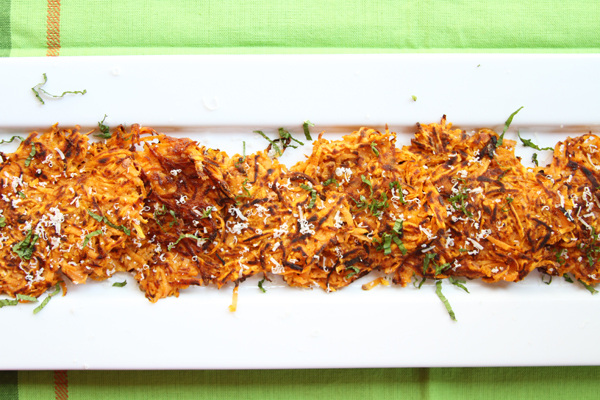
“As with any holiday, plan to allow yourself a little bit of indulgence,” said Aviva Goldfarb, author of The Scramble. “Different people have different traditions. I don’t bake a lot of cookies during the holidays but my family loves sweet potato pie as a side dish. I also make latkes baked or pan fried in less oil.”


Read Full Post >


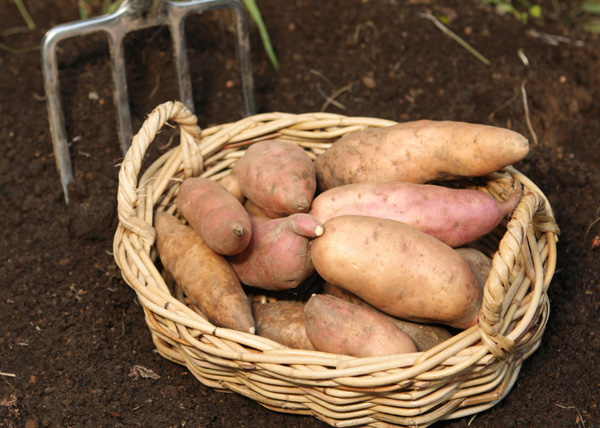
9 Sweet Health Benefits of Sweet Potatoes

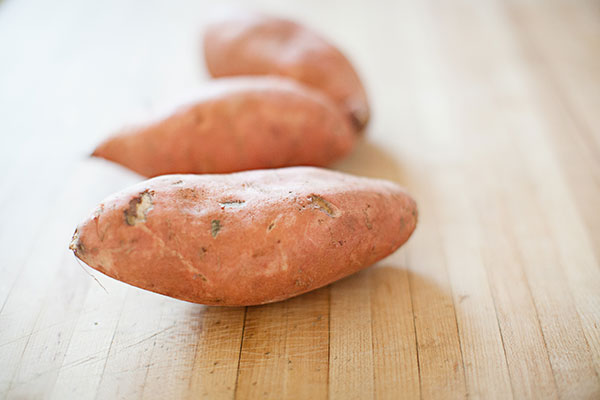
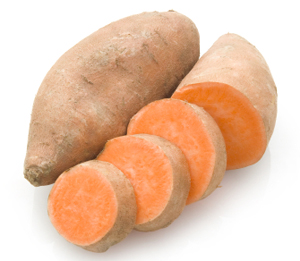
Not only are sweet potatoes readily available, inexpensive, and delicious, there are many other reasons to love these yummy vegetables. Here are 9:

1. They are high in vitamin B6. Vitamin B6 helps reduce the chemical homocysteine in our bodies. Homocysteine has been linked with degenerative diseases, including the prevention of heart attacks.

2. They are a good source of vitamin C. While most people know that vitamin C is important to help ward off cold and flu viruses, few people are aware that this crucial vitamin plays an important role in bone and tooth formation, digestion, and blood cell formation. It helps accelerate wound healing, produces collagen which helps maintain skin’s youthful elasticity, and is essen­tial to helping us cope with stress. It even appears to help protect our body against toxins that may be linked to cancer.

3. They contain Vitamin D which is critical for immune system and overall health at this time of year. Both a vitamin and a hormone, vitamin D is primarily made in our bodies as a result of getting adequate sunlight. You may have heard about seasonal affective disorder (or SAD, as it is also called), which is linked to inadequate sunlight and therefore a vitamin D deficiency. Vitamin D plays an important role in our energy levels, moods, and helps to build healthy bones, heart, nerves, skin, and teeth, and it supports the thyroid gland.

4. Sweet potatoes contain iron. Most people are aware that we need the mineral iron to have adequate energy, but iron plays other important roles in our body, including red and white blood cell production, resistance to stress, proper im­mune functioning, and the metabolizing of protein, among other things.


Read Full Post >


Healthy, No-Spoil Salads for Potlucks and Picnics

When you think of picnic salads, you probably think of fattening classics like coleslaw, potato salad and macaroni salad. Not only are these traditional salads laden with saturated fat and empty calories, they’re usually bound with mayonnaise, which makes them susceptible to spoilage.

Instead of looking to the usual suspects next time you’re asked to bring a dish to a potluck picnic, opt for something mayo-free that will keep well at room temperature and help you stick to a healthy diet.

Instead of coleslaw…

Apple Slaw: Full of fresh, crunchy apples and mixed with low-fat yogurt, this slaw has less than a hundred calories per serving and is a great alternative to a fuller-fat version.


Read Full Post >


Natural Alternatives to Potentially Dangerous Artificial Food Dyes

The Food and Drug Administration determined many years ago that there was no definitive link between artificial food colorings and health problems in children or adults. However, it recently decided to review the evidence and consider possible policy changes that include placing warning labels on food containing the artificial colorings.

Dr. Jeffrey A. Morrison, MD, author of Cleanse Your Body, Clear Your Mind has studied the links between toxins and chemicals in our food and environment to health and behavior. He advises his patients to avoid all artificial colorings and food dyes whenever possible.

“Artificial food colorings and dyes have been used for many years but only recently have they been under investigation with the FDA,” Morrison said. “In particular, red dyes have been known to cause hyperactivity and gastrointestinal discomfort in children and adults.”


Read Full Post >


Use Low-Fat Bacon for a Healthier Heart

Did you ever think that you could eat bacon and still take good care of your heart? Well, not all bacon is synonymous with the artery-clogging saturated fat that so many of us avoid in our regular diets. Bacon is a well-enjoyed protein that, in moderation, can be part of a balanced diet.

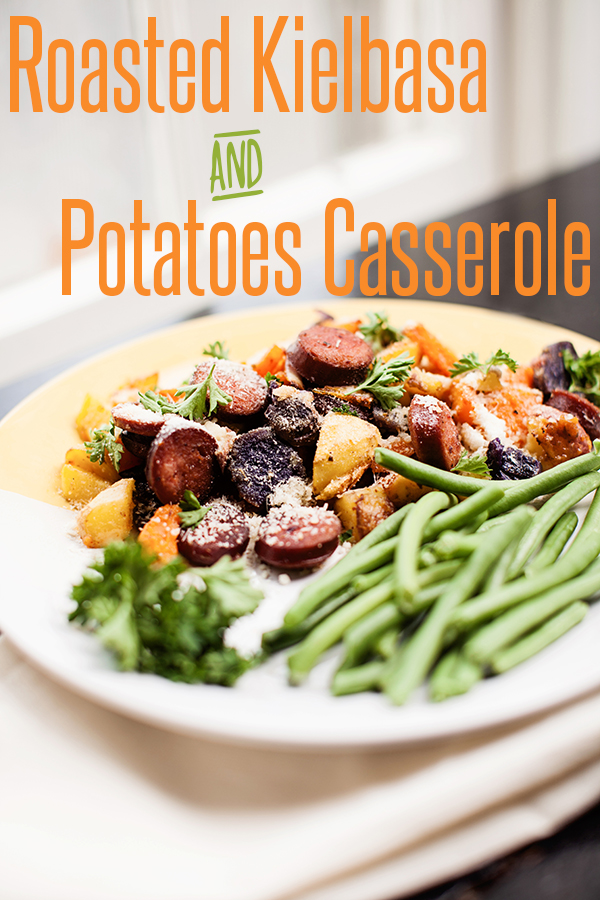
If you enjoy the taste of bacon but are watching your fat intake, don’t eat it morning, noon and night. Incorporate lower-fat center cut bacon (look for a brand such as Oscar Meyer that touts 30% less fat than the leading bacon) into your favorite healthy recipes, such as this hearty skillet dish with robust flavors and seasonal vegetables.

The best part? A little bit goes a long way – and you won’t even miss the extra calories.


Read Full Post >