
Words like “sustainable,” “eco-friendly,” and “green” have become daily utterances in our vernacular. In a recent issue of Whole Living magazine, they discussed 50 ways to eat sustainably. We took 10 of our favorite suggestions from their list and compiled them into our own.
Today, eating, living, breathing and doing with a greater mindfulness of how our actions affect not just ourselves, but our community, world and planet has never before been so urgent. And since it is the small actions we do on a daily basis that accumulate to a greater and more long-lasting benefit, the choices you make in your everyday eating and cooking practices can have a profound effect on the health of our bodies and Earth.
Make a commitment to follow one, five or all of these sustainable eating tips and notice the subtle changes in your world:
Read Full Post >
In an international meeting on agroecology held on June 22 in Brussels, Olivier De Schutter stated that organic and sustainable farming is not only a solution to degraded soiled and polluted water, but can also end world hunger and global climate change. De Shutter is the UN’s Special Rappteur on the Right to Food, considered to be an internationally recognized human right. He is also an expert in agroecology.
“Governments and international agencies urgently need to boost ecological farming techniques to increase food production and save the climate,” De Schutter stated while presenting his findings. He decried the current large-scale production methods involving “improved seeds, chemical fertilizers and machines” that rapidly leads to soil and water degradation. “Scant attention has been paid to agroecological methods that have been shown to improve food production and farmers’ incomes, while at the same time protecting the soil, water, and climate.”
Read Full Post >
All this week, I’m covering walnuts. From nutrition to culinary uses, I’m exploring what top fitness, nutrition, and culinary experts have to say about this “bumpy” nut. Up next is my interview with Chef Greg Higgins. If you’re into “green eating,” this is your guy. Find out what he has to say about how you can eat healthy and green:
1. As a restaurant chef, what is essential for creating healthier menu options? Whether it is swapping out butter for a healthier oil, or lower-fat dairy, etc., how do you keep high-taste intact while still offering healthful options?
We use olive oil as our primary cooking and flavoring oil. That in conjunction with a steady supply of local, seasonal and sustainable fruits, vegetables and whole grains.
Read Full Post >
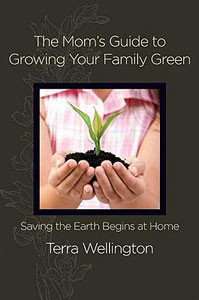
Going green is no longer just about recycling your newspapers and swapping out plastic water bottles for reusable aluminum ones. Today, being green extends to all facets of our lives, including how we raise our children.
Last week, I had the pleasure of speaking with author and wellness expert Terra Wellington. Terra has just written the book “The Mom’s Guide to Growing Your Family Green,” and it is chock-full of practical and engaging information and tips on how to keep your family healthy and happy while also being environmentally-conscious.
Read Full Post >
Forget low-carb, high-protein, or no-sugar diets. We are now embarking on a new era in weight loss. Rather than counting calories and carb grams, diets are changing courses and focusing on eating real foods that are natural, whole and above all, good for you.
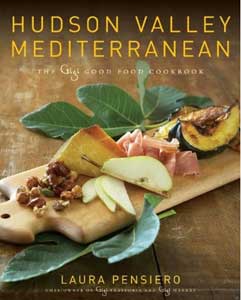
Case in point: Laura Pensiero’s Real-Food Diet, which has been recently lauded in O magazine. Pensiero is the current owner of Gigi Trattoria in Rhinebeck, New York and a former culinary coordinator at the Memorial Sloan Kettering Wellness and Prevention Center.
Her Real-Food Diet focuses on just that: Eating real food that is fresh, seasonal and void of preservatives and additives. Local food, as Pensiero points out, is nutritionally and environmentally superior to the same items that we normally purchase in large grocery store chains. The bagged lettuce that you grabbed from the produce section of your grocery store was likely harvested thousands of miles away and transported across the country in order to end up in your grocery cart. From farm to fork, our food is looking less and less like anything but fresh. But food and health advocates like Pensiero want to change that.
Read Full Post >