Last Halloween, Judah Hansen didn’t have much to show for all of his trick or treating except for $22 in cash. It’s an annual tradition for the Kansas nine-year-old. He and his parents visit a dentist’s office the morning after Halloween to sell his candy. The dentist offers a dollar per pound of candy to keep the sugary treats out of his patients’ mouths. “I’d rather get money and have some candy instead of having a bunch of candy and not being able to eat it all,” Judah told us.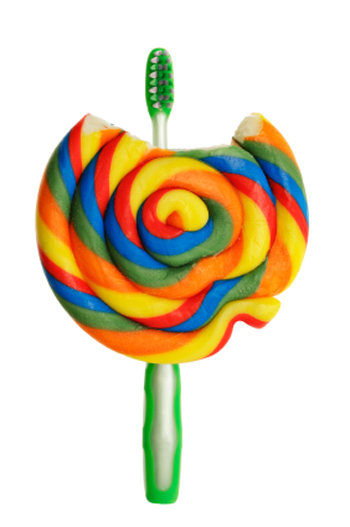
According to a new survey from the American Dental Association (ADA) and Popcap Games, the average child receives 90 pieces of candy during Trick or Treating. I know that my own daughter, Judah, and their peers don’t need all of that.
The ADA survey points out that Judah’s mom and I are not alone. Seventy percent of parents surveyed agreed they’d like their kids to receive less candy. The most shocking stat – 89 percent of kids said they would still like Halloween if they didn’t focus as much on the candy and did more so on the other fun activities and traditions.
“Even when Judah was a toddler, we ended up with a ridiculous amount of candy after Halloween,” Judah’s mom Lacy told us. We didn’t want it around the house for that long as it posed several weeks of temptation for us and he was constantly asking, ‘Can I have some candy?’ When buyback became an option, we jumped on it.”
So if parents don’t want the kids to have it, and the kids don’t care either way – why do we keep buying it? Marketing, of course. Since the candy manufacturers aren’t about to let us off the hook, neither are our dentists, it’s kind of a perfect match.
Candy buy back programs have grown in popularity over the last few years. Starting November 1, you’re bound to find at least one dentist in your community trading cash, toys, or prizes for candy.
Dr. Mitchell D. Scheier in Havertown, Pennsylvania is buying back candy for $1 per pound. It’s the fifth year for Dr. Scheier & Associates’ Halloween buy back program, paying out to 100 people last year. They donate the candy they collect to the troops.
“We do this one, to help limit the amount of sugar our young patients consume during a holiday surrounded by candy and two, to offer our soldiers a sweet reminder of home during this time of year,” said Dr. Scheier. (more…)

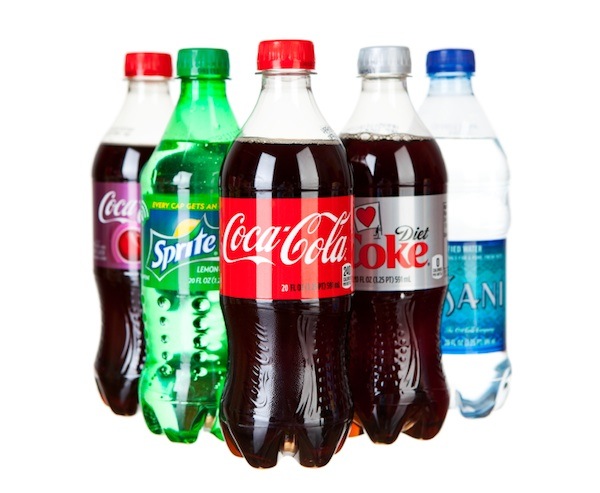
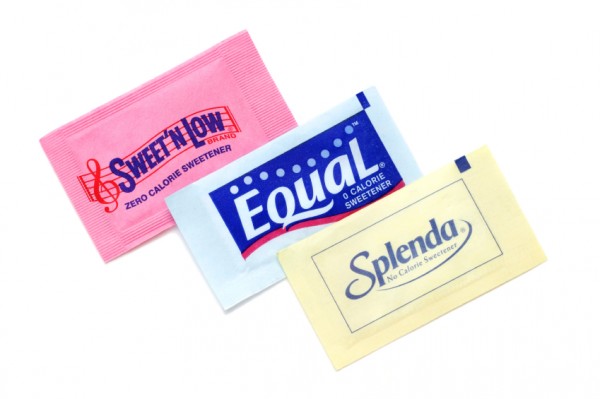 “Sweetened beverages, coffee and tea are commonly consumed worldwide and have important physical — and may have important mental — health consequences,” said study researcher Honglei Chen, M.D., Ph.D., an investigator in the Epidemiology Branch at the National Institute of Environmental Health Sciences.