





by Kelsey Murray
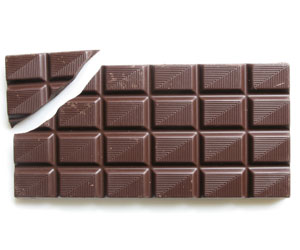
Women around the world, rejoice! Chocolate is once again being named as a healthy food for people to eat. This time, research shows that the tasty treat is good for your heart health.
Recently, five studies have shown a connection between high chocolate consumption and a significant reduction – 37 percent – in a person’s risk for cardiovascular disease. Consuming chocolate also caused a 31 percent reduction in one’s risk for diabetes and a 29 percent decrease in one’s risk for stroke.
Of course, everything is better in moderation, so don’t take these new studies as an excuse to go to your local candy store and stock up on hundreds of chocolate bars.
“Although over-consumption has harmful effects, the existing studies generally agree on a potential beneficial association of chocolate consumption with a lower risk of cardiometabolic disorders,” said Adriana Buitrago-Lopez of the University of Cambridge.
Read Full Post >
Susanne Eman wants the definition of beauty to expand.
Eman, weighing in at around 727 pounds, wants one day to be the fattest woman in the world, beating the current record of 1,600 pounds. To reach her goal, Eman is consuming over 20,000 calories per day.
Although the obese woman consumes an absurd amount of calories and has to use a motorized scooter in the grocery store, she insists she is perfectly healthy.
“I go for a waddle and do stretches and exercises every day. My muscles need to hold up to my weight, so I have to stay strong,” Eman told the Daily Mail. “I take my blood pressure once a week, and every day, after I exercise, I take readings of my other vitals. I use a pulse oximeter to measure the concentration of oxygen in my blood stream.”
If any of Eman’s readings were abnormal she would call her doctor immediately, she said. She truly believes that what she’s doing is healthy, but has arranged for her sister to take care of her two sons, Brendin and Gabriel, if anything were to happen.
Read Full Post >
Many things come with age. Unfortunately, some of those are narrowed arteries and high cholesterol. These days, being prescribed medication for high cholesterol is almost a given, maybe even a right of passage from middle age to senior citizen-hood. But let’s face it, no one likes to take medication and many people would like to try supplements and lifestyle changes before they jump on the prescription bandwagon.
So first, let’s define a few things. When you get a lipid panel here are things you will see and what your target numbers are:
- HDL=good cholesterol Goal: Greater than 40 mg/dL for men, greater than 50 mg/dL for women
- Total cholesterol = combination of your LDL/HDL and other components Goal: Less than 200 mg/dL
- Triglycerides = Fat that your body stores Goal: Less than 150 mg/dL
Read Full Post >
Once in a while, a study comes around that just has to make health professionals a little squeamish. You know the kind – the ones that seem to not only contradict common sense, but also ends up as fuel for unhealthy people to justify bad eating habits.
This time around, a study is giving people who love their sweets a sweet surprise. Apparently candy and chocolate eaters tend to beat out those who don’t in the categories of waistline, weight, and body mass index (BMI).
But wait, there’s more.
Those in the study who ate candy and chocolate had a 14 percent lower risk of elevated blood pressure and a 15 percent decreased risk of metabolic syndrome (risk factors for heart disease and stroke).
Read Full Post >
Just because a product says “diet” on the label doesn’t mean that it is healthy. So, when you switch from full-sugar soda to diet, it’s not necessarily getting you off scot-free. You may actually be risking stroke or a heart attack.
A study just published followed over 2,500 New Yorkers for about 10 years. They found that some diet soda drinkers had a 61 percent higher risk of vascular events, such as stroke and heart attack.
Now, let’s talk you off the ledge.
First, this study’s findings were for those who drank soda every day. I know that a lot of people drink diet soda on a daily basis, so maybe that’s not enough to alleviate your worries. I would say that it should be easy enough to moderate your soda intake to a few days a week, but even with these finding, the researchers aren’t prepared to put out a hard stance against drinking diet soda on a regular basis.
“I think diet soda drinkers need to stay tuned,” says the study’s lead author Hannah Gardener, an epidemiologist at the University of Miami Miller School of Medicine. “I don’t think that anyone should be changing their behaviors based on one study. Hopefully this will motivate other researchers to do more studies.”
Read Full Post >