Diets in Review - Find the Right Diet for You

strength training


Breast Cancer Surgery Recovery Aided by Lifting Weights

By Liz Neporent

Breast cancer survivors get ready for a game changer. Instead of sitting on the sidelines and avoiding physical activity for fear of aggravating the arm swelling experienced by up to 70 percent of surgery patients, experts are now recommending you pump iron.

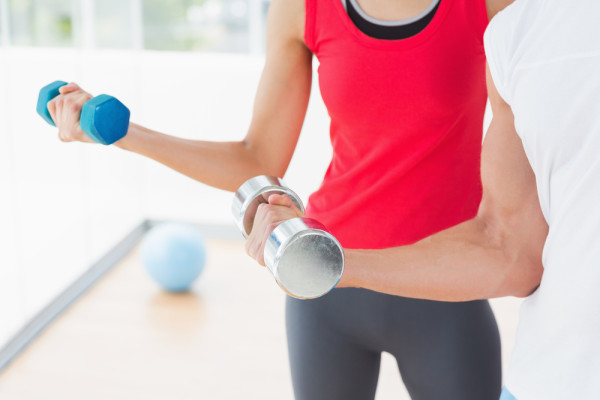
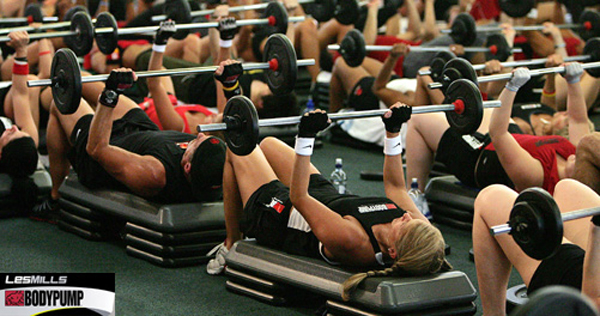
For decades, breast cancer patients undergoing treatment have been warned away from lifting anything heavier than a small bag of groceries. The thought was overexertion might cause lymphedema, a painful, arm-swelling condition that’s a common side effect of surgery. Recent work by University of Pennsylvania scientists challenges this notion with findings that a carefully structured weight training program doesn’t make lymphedema worse. In fact, it can reduce the chances of arm swelling or even prevent it altogether.

The research involved 154 women who were diagnosed with breast cancer within the last few years and who had had at least two lymph nodes removed but hadn’t yet developed lymphedema. Half were told not to change their exercise habits. The rest attended twice weekly weight training sessions supervised by certified personal trainers. Routines got progressively more challenging over 13 weeks and then the women continued lifting on their own for up to nine months afterwards.
Read Full Post >


Healthy for the Holidays: Your 8 Week Plan to Get Fit

I know you probably don’t want to hear the word “holidays” just yet, but I promise in this context, it will actually reduce your stress.

Most people wait until after the holidays to worry about getting into shape, but with that mind frame, you are more likely to pack on not only the holiday pounds, but quite a few in the weeks leading up to them as well. We all know that the “I’ll take care of it later” mentality leads to “I’ll eat whatever the heck I want up until that point” actions.

This cycle can leave you feeling discouraged and hit your self-esteem pretty hard, making that New Year’s Resolution the same as it was last year. And the year before that…

Wouldn’t it be wonderful if you could cross that “finally lose the weight” resolution off your list and move on to number two? Be it skydiving or paying off your credit card bill, I guarantee it will be more rewarding in a pair of skinny jeans.


Read Full Post >


Low Impact Exercise Doesn’t Have to Mean a Low Intensity Workout

For most, impact exercise is a good thing. The more force you apply to your bones, the stronger they become. Unfortunately, the vast majority of the population is physically falling apart due to being sedentary, overweight, and all around just plain horrible to ourselves.

To be fair, many have legitimate joint and bone injuries, or are recovering from surgeries that also require them to stick to low and no impact modes of exercises. There is no shame in that. Low or no impact doesn’t have to mean taking it easy- it just means working out differently. You can get just as intense of a workout while still being mindful of your limitations.

Low Impact Cardio

To determine if something is high impact, ask yourself if your feet leave the floor, and how hard they come back in contact with it. Your bones and joints are required to absorb the shock, and the impact of this can be too much for many.


Read Full Post >


The Real Value of Incidental Exercise

By Jennifer Gregory

We have all heard the advice to take the stairs and park at the end of the parking lot to add exercise into our day and help burn extra calories. But do these activities, often referred to as incidental exercise, really help people lose weight and increase overall fitness?

Todd Cambio, certified Strength and Conditioning Specialist with the National Strength and Conditioning Association, says that the answer is absolutely yes. “All of these activities get you moving. The more you move, the more muscles that you gain and the more chance you have of burning fat,” says Cambio.

However, it is important not to rely on incidental exercise as your only form of physical activity and participate in a regular fitness routine.  “In addition to moving whenever possible, you need to also have a structured exercise program, such as playing a sport for fun or training with a professional,” says Cambio.


Read Full Post >


The FIRM Express Promises to Get You Thin in 30 Days

Thin in 30 days? Maybe. Doing it in three 20 minute workouts a week? Prove it.

I’m always wary of workout programs that offer more results with less effort. Turns out, in this case, less effort doesn’t mean less exercise, just less of a time commitment, which I can get behind.

The FIRM has been a trusted name in exercise and fitness for years, with workouts designed to empower women to work towards their best bodies and achieve total body fitness in the comfort of their very own home.

The FIRM has introduced a new workout series called The FIRM Express, which takes their successful fitness philosophy and condenses it down into three times weekly 20 minute workouts that promise to get you “thin in 30″ days. Like all of the workouts by The FIRM, this program combines effective cardio exercises with weight training to get results faster and help you burn more fat than traditional cardio or weight lifting alone.

This 12 DVD program includes 12 workouts you will use through four different cycles that are specifically sequenced to optimize weight loss. The FIRM Express boasts that you can burn up to nine times more fat with this program than traditional workouts.


Read Full Post >