Diets in Review - Find the Right Diet for You

sodium


Bread, Not Salty Snacks Responsible for Excess Sodium Consumption

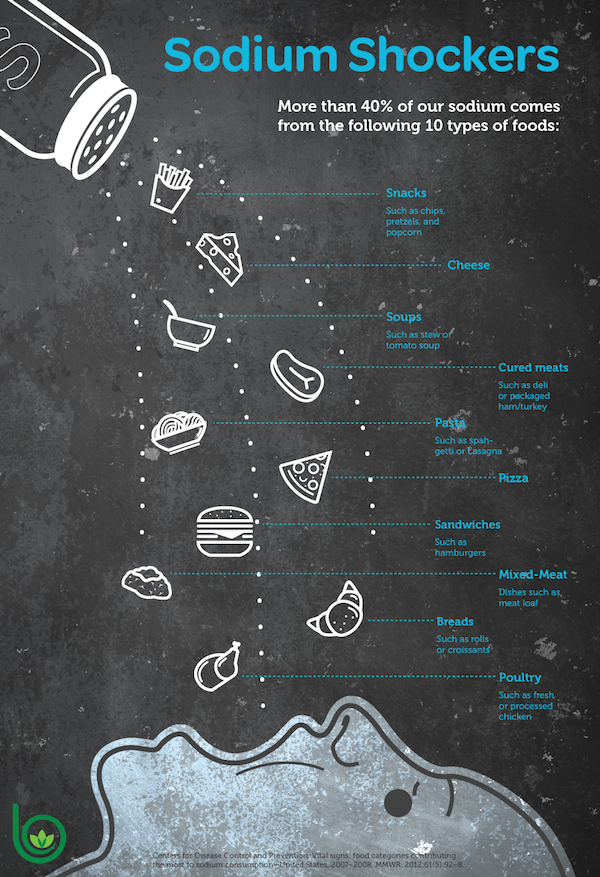
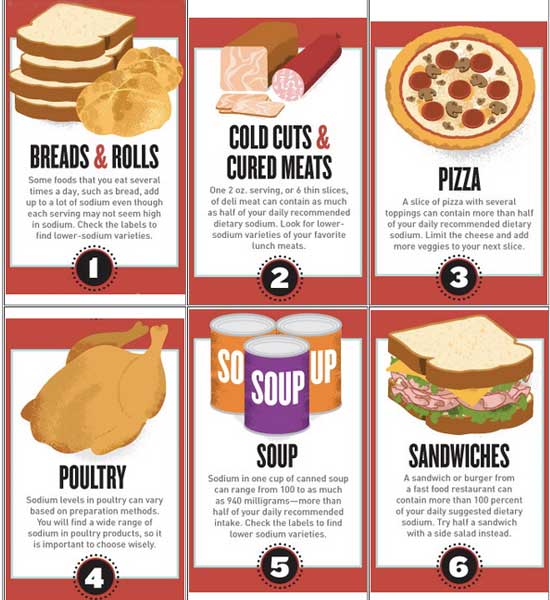
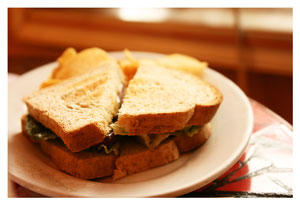
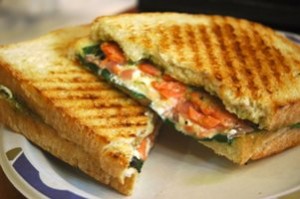
sandwich on a plateThe Centers for Disease Control compiled a list of the top sources of sodium in the American diet, and the list is likely to surprise you. Nine out of ten Americans consume too much salt on a daily basis, but the culprit isn’t salty snacks like pretzels or chips. In fact, you may be eating the two biggest sources of sodium in your lunch today: bread and cold cuts appear as the top two.

Mary Cogswell, one of the reports authors, explains that breads and rolls don’t necessarily contain more salt than other foods, but that people tend to eat more of them. However, you can cut your sodium intake by looking for breads that contain less than 150 milligrams per slice. Similarly, look for low-sodium deli meats and try to avoid salami, bologna and pimento.

Other items on the list include pizza, processed poultry, pasta dishes and soups. Salty snacks appeared at the tenth item on the CDC’s list, accounting for 3.1 percent of all sodium consumption. Like bread and other products, you can cut a significant amount of sodium from your diet by comparing the nutrition labels on the back of packages. The difference in sodium between one brand of potato chips an another can be as much as 150 milligrams.


Read Full Post >


50 Years of Consuming Too Much Salt Despite Warnings

Most of us already know that too much salt isn’t a good thing. Yet what’s surprising is that despite decades of warnings to reduce sodium intake, Americans continue to over-consume the flavorful staple in most households. A new Harvard study shows that our salt intake really hasn’t changed over the past 50 years, and it seems like that intake is hardwired and not easy to change no matter how many PSAs or dietitian visits we have.
As more processed foods hit our shelves and as obesity rates continue to soar, it almost seems as though sodium levels would have continued to increase, not necessarily stay the same. Yet, after multiple studies were reviewed, all occuring between 1957 and 2003, it appears that 3700 milligrams of sodium was consistently consumed over the years. Of course, other measures of our sodium intake don’t necessarily reflect the same pattern. In fact, the NHANES, or National Health and Nutrition Examination Survey,  does indeed show an increase in salt consumption. The biggest difference between these survey results and that observed in the Harvard study is that the NHANES relies on food records where as the Harvard study took a look at urinary sodium output which is supposedly more accurate.

Current guidelines for sodium intake are 2300 milligrams a day for healthy adults and 1500 milligrams a day for those at risk of high blood pressure. That’s quite a difference. And although this message has been touted for over twenty years, it appears that few are following it or that these recommendations are too stringent for the majority of Americans.

Elevated sodium intake isn’t just occurring in American populations though. In fact, the average sodium intake appears to be similar on an international level. This means that there may be more to this whole sodium intake thing than we think. It also begs the question- are our recommendations wrong?


Read Full Post >


The DASH Diet is an Ideal Choice for Diabetics

The DASH diet, or Dietary Approaches to Stop Hypertension, can be used for patients with high blood pressure and is often recommended for diabetics because of the potential to lower their blood pressure. The diet has been shown to reduce blood pressure in as little as two weeks. Diabetics usually have blood pressure issues and are more prone to complications such as kidney disease. Diabetics are usually put on a blood pressure lowering drug called an ACE inhibitor that has protective properties for the kidneys.

The DASH diet consists of lowering sodium intake to less than 2400 mg per day, eating fresh fruits and vegetables and carbohydrate sources coming from whole grains. It also includes proteins coming from lean meats, fish and chicken, and moderate amounts of fats such as olive oil and nuts. The DASH diet has been endorsed by the American Heart Association, The National Heart, Lung and Blood Institute, and the Mayo Clinic. It also was used to form the new dietary guidelines.
Read Full Post >


Celebrate National Panini Month with Five Healthy Sandwich Tips

August is National Panini Month and with temperatures too hot for the oven in most parts of the country, there is no better time to whip up a healthy version of your favorite pressed sandwich.

Though there are a number of ways to make a healthy panini, Chef Tiffany Collins offers some tips about how to take ordinary ingredients, combine them in inventive ways and easily grill them on a panini press for a delicious, crunchy sandwich that won’t derail your diet.

Pick whole-grain breads to make your panini healthy and satisfying. When you’re choosing bread for your sandwich, opt for bread that is rich in fiber. Some wheat breads are not actually made with whole grains, so read labels carefully before you purchase. If the first words on the ingredient list are not “whole grain” or “whole wheat,” it is not really a whole grain.


Read Full Post >


Campbell’s Adds More Salt to Soups to Boost Sales

Guest article provided by FoodFacts.com

Do you recall the older winter-time commercial of a snowman dragging his feet into his home from a blizzard; and sitting down to a bowl of hot chicken noodle soup? As he took one sip the snow melted off and what was left was a little boy with a huge smile. That’s Campbell’s. They’re marketing and ads have proven to be successful for many years now, because they are the most popular soup can on store shelves. Why? It could be their advertising, their coupons and incentives, or it could be their salt-filled broth that most Americans have grown to adore.

Fact of the matter is that people-love-salt. Salt on pasta, salt on eggs, salt on mashed potatoes, salt on chicken, the list goes on and on. Campbell’s took notice of this a LONG time ago. They’ve been producing soups with high sodium levels since they first opened their factories in 1869. One half-cup serving of their chicken noodle soup is 890mg of sodium. That’s almost HALF of your daily value of sodium for one day, in just HALF a cup. So basically, you consume one whole can, you’ve had your recommended sodium for the entire day in just 5 minutes, and maybe a little more.
Read Full Post >