

Diets in Review - Find the Right Diet for You

salt


Spice Up Your Kitchen with Sea Salt

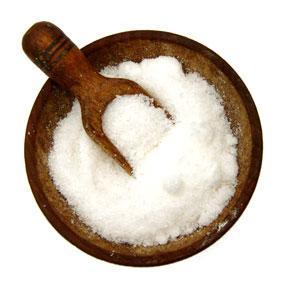
What is the difference between sea salt and table salt? You may have wondered this last time you were at the grocery store and noticed shelf after shelf of gourmet seasoning salts.

While table salt and sea salt have the same basic nutritional value, sea salt is typically marketed as a natural, healthier alternative. While there is no real health benefit to choosing sea salt over table salt, there are differences in taste and texture that some home cooks prefer.

According to The Spice House in Chicago, IL, salt is a mineral, not a spice. It has become an important player in the culinary game since it does not lose its flavor over time, as is typical of some herbs and spices.


Read Full Post >


Satisfy a Salty Craving on a Diet

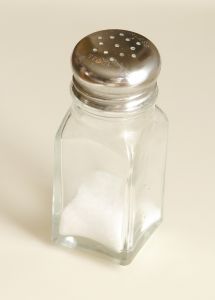
Your mouth waters and your mind wanders. You’re eating a deliciously balanced plate of grilled chicken and green beans with a whole grain roll but something is missing. You know what it is: you left the salt shaker in the kitchen. The question is, do you go and get it? Cutting salt out of your diet can be a difficult process, especially when you experience salt cravings. Cravings are a complicated phenomenon and can arise for a multitude of reasons. Understanding your salt cravings and developing strategies to combat them is one of the keys to a well-executed diet plan.

Why do we crave salt? First of all, it’s important to remember that salt is of vital importance to the proper functioning of the body. There was a point in time when salt was among the most valuable objects in the world. A salt craving can sometimes be a signal that you’re mildly dehydrated. If you have a glass of water before indulging in your salt craving, you may find that you’re simply thirsty. In most cases, cravings are experienced because a person is accustomed to a heavily salted diet. In these situations, the cure is a matter of adjusting to the taste of foods with less salt. Consider consulting a physician if your craving is accompanied by excessive thirst, dry mouth or dizziness. Sometimes a salt craving can indicate severe dehydration, complex electrolyte imbalances, Addison’s disease or certain adrenal diseases.


Read Full Post >


New Dietary Guidelines Address Heart Health Just in Time for American Heart Month

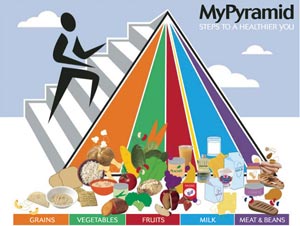
The updated Dietary Guidelines for Americans have finally been released and although they are a month late, and really not much different from the 2005 version, they address some vital concerns, including heart disease. The late release of the new guidelines serves as a strong foundation for this year’s American Heart Month. With an emphasis on reduced sodium intake as a key recommendation, the Dietary Guidelines acknowledge the importance of heart health among Americans.

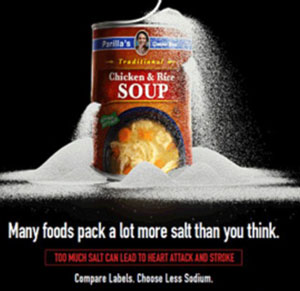
On average, the typical American diet includes 3,800 mg of sodium a day. That’s a far jump from the recommended 2,300 mg and an even further jump from the reduced intake of 1,500 mg for “persons who are 51 and older and those of any age who are African American or have hypertension, diabetes, or chronic kidney disease.” Although it would do good for everyone to lean towards the more modest number of 1,500 mg, it’s essential for about half of the population. There are many ways you can reduce the amount of sodium in your diet:


Read Full Post >


2010 Dietary Guidelines for Americans Finally Released, Not Much Has Changed

Well, they came a month late, but the much anticipated 2010 Dietary Guidelines for Americans have finally been released. The USDA and Department of Health and Human Services work together every five years to update the Dietary Guidelines to reflect changing and new research. The new guidelines aren’t drastically different than years before, but do reflect an urgency to address the growing obesity epidemic.

A few highlights from the new guidelines include a push to reduce daily sodium intake, eat more fresh fruits and vegetables and cut added sugars, especially those in sugary drinks.

Learn more in this video recapping the new guidelines:

The average American consumes around 3,400 mg of sodium per day. The new Guidelines recommend reducing that number to 1,500 mg, or 1 teaspoon, of sodium, especially for those who are 51 and older, African American, or have hypertension, diabetes, and/or chronic kidney disease. Many believe that focusing on slashing salt in our diets will in turn also cut our saturated fat intake.


Read Full Post >


America’s Silent Killer – Salt on The Doctors

Tune in this Wednesday, November 24 to The Doctors when the lid is blown off of America’s silent killer – salt.

On the show, you will learn how to take action and join the nationwide movement to Halt the Salt. Plus, The Doctors will reveal what  store bought foods contain the greatest amounts of sodium and you will also learn which of your favorite foods contain too much salt on restaurant menus.
Read Full Post >