Diets in Review - Find the Right Diet for You

restaurants


100 Montaditos Aims to Dominate the Fresh Food Fast Market

Another chain restaurant hopes to be coming to your nearest intersection very soon. 100 Montaditos, a Spanish sandwich chain, has the ambitious goal of opening 4,000 restaurants in the next five years.

100 Montaditos currently has one Miami location and a plan to add eight additional Florida locations by March 2012. With a plan for 4,000 locations in five years, the expansion pace will have to increase. If they meet their goal, the chain will be very common. As a reference, they will have a few less locations than Sonic Drive-In and just slightly more than Dairy Queen.


Read Full Post >


People Eat Less When Restaurants Reveal Calories

Several years ago, The New York Restaurant Association voiced their opposition to the pending food legislation that would require restaurants to post calorie counts on their menu items. Since then, the law has shown little-to-no conclusive evidence that it has had any positive results. That may now change.

According to recent research, one in six people notice the nutritional information and buy foods with fewer calories. The report from New York City surveyed lunch crowds at 11 fast food restaurants. They examined the receipts of over 7,300 people 12 months before the law took effect and for nearly 8,500 customers nine months after it took effect.

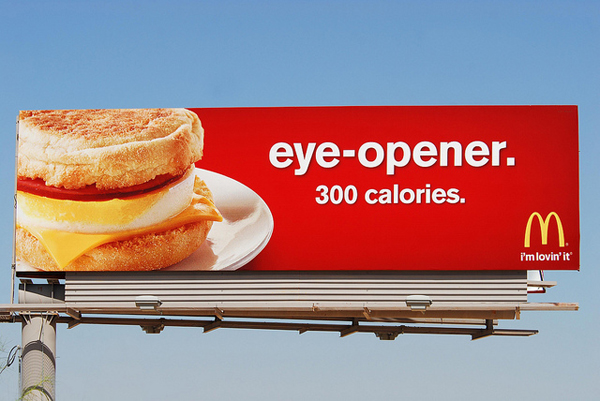
Customers at McDonald’s, Au Bon Pain and KFC got 44 fewer calories from their foods after the law was implemented.
Read Full Post >


10 of the Worst Restaurant Foods in the U.S.

By Melissa Breyer for Care2.com

What the fudge is wrong with us? As obesity, diabetes and heart disease are plaguing the country in lethal proportions, restaurants are chirpily churning out caloric combinations of sodium and saturated fat that would make Henry VIII blush. Things are getting so raucous around here that a new study found that gout, yes gout, has increased by 44 percent in the last two decades, courtesy of the obesity epidemic and related health problems (diabetes, high blood pressure and high cholesterol).

Restaurants create and tempt the masses with flashy dishes caloric enough to feed a small family, while the USDA, earnest as a shy sister, issues dietary guidelines which pretty much fall on deaf ears. Although recommended calorie intake varies by person, the range is from 1,600 to 2,400 calories per day for adult women and 2,000 to 3,000 calories per day for adult men, depending on age and physical activity level.

As for sodium intake, another daunting piece of the puzzle, the 2010 Dietary Guidelines for Americans recommend limiting sodium to less than 2,300 mg a day—or 1,500 mg if you’re age 51 or older, or if you are black, or if you have high blood pressure, diabetes or chronic kidney disease.

So with those nuggets in mind, how do these ten contenders for worst foods in America stack up against what is recommended for maintaining nutritional health? Let’s see….
Read Full Post >


Restaurant Customers Want Smaller Portions

small piece of fruit tart on a big plateEarlier this week, McDonald’s announced they will be cutting the portion of fries that come with a Happy Meal and including a serving of fruit or vegetables with every meal. But McDonald’s isn’t the only company that might see success with a strategy of portion-reduction, as a new report reveals that consumers want smaller portions at restaurants.

In the United States, many restaurants have offered huge servings to convey a sense of value to customers. But a market research company, The NPD Group, found that 57 percent of the people they surveyed want to eat smaller portions when dinning out. The firm surveyed over 5,000 adults. Smaller portions were seen to be the most important to consumers between the ages of 35 and 45, an age when many people find it easy to gain weight.

“We were trying to understand what constitutes healthy eating or a healthy lifestyle in consumers’ minds,” Dori Hickey, NPD’s director of product management, told Nation’s Restaurant News. “What we saw was a difference in where they’ve been and where they aspire to be.”


Read Full Post >


Restaurant Menus Inaccurately Count Calories

In an effort to meet consumer expectations and comply with new state regulations, most restaurants and fast food joints have begun listing calorie counts on their menus. This information is used by consumers to make educated and well thought-out decisions about their meals. It’s supposed to help fight obesity by allowing the health-conscious population to enjoy eating out without entirely giving up on their nutritional goals.

A study was recently published in the Journal of American Medical Association that exposes the truth about restaurant menus. According to CBS News, nearly one in every five restaurant menus contains inaccurate calorie counts. In most instances, the laboratory results revealed a measly 10 calorie difference. However, some menu items (close to 20 percent) contained more than 100 calories over what the menu claimed, with one dish setting the record for inaccuracy at being 1,000 calories off.


Read Full Post >