

Diets in Review - Find the Right Diet for You

relaxation


Be a Happy and Healthy Bride on Your Wedding Day

by Kelsey Murray

Spring and summer are possibly the most popular times for a wedding. Unfortunately for many brides, along with the wedding comes a boat load of stress to look “perfect” on their big day. Sadly, this quest for perfection can be very hard on a bride’s health. Crash dieting is often the first thing that comes to mind when someone mentions a bride’s preparation for her wedding.

Aside from drastic weight loss, there are many other things that brides often do in preparation that can be unhealthy or harmful to her health. Here are some tips for avoiding some common practices that brides-to-be might not realize are putting their health in danger.

Choose your makeup carefully. Some makeup contains ingredients that can cause allergic reactions. Some symptoms might include skin redness, dryness, and itchiness. Look for makeup that is fragrance-free or made for sensitive skin and do not change makeup brands right before a big event because you do not know how your skin might react to it. If you are having your makeup done professionally, ask the makeup artist which makeup he or she uses and make sure that it will not cause you to have a reaction.


Read Full Post >


Cortisol: the Stress Hormone’s Effect on Your Health and Weight Loss

Stress is simply a part of life. Stress can be a positive thing: It can save your life in a fight or flight situation, or it can be the kick in the butt you need to finally finish that project at work you’ve been putting off. Too much stress, however, can have a negative effect on your mental and physical health. In today’s society, where we are moving faster, taking on more responsibility and are constantly technologically connected to the demands of work and home, our lives are becoming more overwhelming, and it may be taking a toll on our waistlines.

Cortisol, dubbed the “stress hormone”, is an important hormone secreted by the adrenal glands, responsible for many functions in the body including regulating metabolism and blood pressure, immune function, inflammatory response, and releasing insulin, which maintains blood sugar levels.

Cortisol isn’t only secreted when the body is under stress, but it is secreted in higher levels during the body’s “fight or flight” response to stress (think of when something pops out and scares the crap out of you. That surge you get is your body’s fight or flight response- you either jump and run, or start swinging.) The stress we encounter on a daily basis isn’t always so obvious or sudden, but daily stress, i.e. a jam packed schedule the next day or not knowing how you are going to afford next month’s bills, isn’t immediately remedied, so your stress levels stay elevated for an extended period of time until the stressor is remedied, or more often than not, until another stressor comes along and takes over.

Just as with everything in life, too much of something is never a good thing. Elevated cortisol levels cause many physical, negative changes to the body, including impaired cognitive function, blood sugar imbalances, high blood pressure, and lower immunity, causing you to feel slow and drained of energy, or even come down with an illness.


Read Full Post >


Practice Self Care to Curb Emotional Eating

This guest post comes from  
Alesha Sevy,  Biggest Loser Resort at Fitness Ridge.

Creating healthy habits is a lifelong journey – you won’t always feel the same from day to day, and you may need to make a consistent effort to create healthy habits that leave you feeling good. At the Biggest Loser Resort, we educate our guests on emotional eating and how to identify when you are actually hungry vs. emotionally hungry. If you find that you are snacking from boredom, stress, happiness, sadness – anything that isn’t actually true hunger, try the simple strategy of doing something else. But not just anything else – take a moment to practice self care. It’s still a “treat” that you can give yourself, and you may actually burn calories in the process rather than consuming!


Read Full Post >


7 Tips to Get the Most from Your Massage

If you’ve never had a massage by a licensed massage therapist before, let me tell you something: You are missing out. Massage therapy is fantastic for exercisers as it can help keep your muscles flexible, reduce soreness and even improve your mobility and range of motion. It is also the perfect reward for a few solid weeks of eating right and moving more!

The first time I got a massage, I was excited, but really nervous about what to expect and what to do. So I put together a list of seven tips to get the most out of a massage, be it deep tissue, sports or just a basic Swedish treatment. These tips are geared to first-timers, but it’s also a great refresher for those who visit a massage therapist often!


Read Full Post >


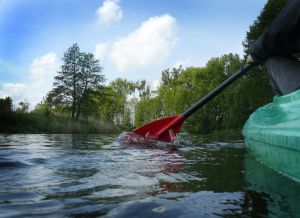
Healthy People Play: Workouts Shouldn’t be Work

Healthy people play. I first heard that phrase from Dr. Karyn Purvis at an adoption conference. I copied it down in my notes, probably with an exclamation point or underlining. It may not be a profound statement, but it resonates with the truth of the ethos. It is something that we all know intuitively and yet often ignore. If you are not healthy, physically or emotionally, you will not play. In the same way, play helps you to be healthy, both physically and emotionally.

The National Center on Accessibility defines play as “a physical or mental activity that has no purpose or objective outside of pure enjoyment or amusement” (Definition of play, 2004). While children learn so much through play, their goal is pure fun. This fun helps us to relax and makes us better learners. Although, the goal of play may be pure fun, play is educational and a path through development. Play helps us to grow cognitively, emotionally, socially, and physically. We learn more about our world, ourselves, and others through play, all via the vehicle of fun. Even as adults, play can benefit us in all the same ways. Play helps us to grow in creativity, abstract thinking, problem-solving, empathy, confidence, cooperation, conflict resolution, concentration, vocabulary and more. It allows us to be physically active, practice taking risks, practice interpersonal skills, and try new things.


Read Full Post >