Diets in Review - Find the Right Diet for You

Product Recall


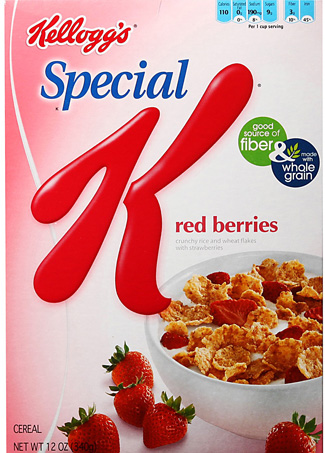
Recall: Special K Red Berries Cereal for Potential Glass Contamination

  • Possibility of glass fragments in Kellogg’s Special K Red Berries Cereal has prompted the company to announce a voluntary recall.
  • 11.2-ounce package, UPC Code 38000 59923
  • 22.4-ounce twin pack, UPC Code 38000 78356
  • 37-ounce package, UPC Code 38000 20940
  • The company says any other sizes or versions of its Special K cereal are not at risk for this recall.
    Read Full Post >


Spinach Recalled for Possible E. Coli Contamination by Taylor Farms

Taylor Farms Retail Inc. has voluntarily recalled its fresh baby spinach in 39 states for a possible E. coli contamination.

Consumers should check 5- and 16-ounce containers under with a “best by” date of Feb. 24, 2013.

Taylor Farms sells its baby spinach under the following brand names: Central Market Organics, Full Circle Organics, Marketside Organic, Simple Truth Organic, Taylor Farms Organic.
Read Full Post >


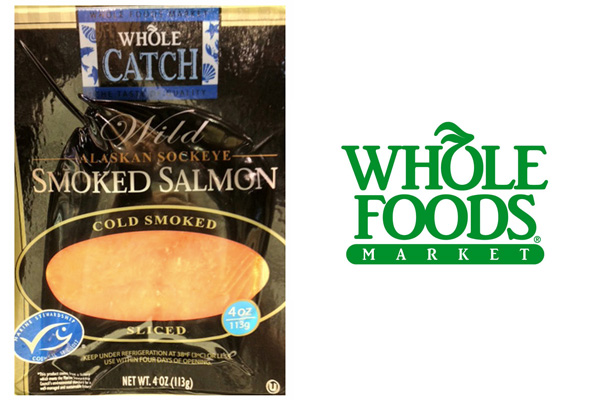
RECALL: Whole Foods’ Whole Catch Wild Alaskan Sockeye Salmon

  • Whole Foods expands its recall of Whole Catch Wild Alaskan Sockeye Salmon because of possible listeria contamination.
  • Consumers should check package codes for UPC code 0 99482 40880 0 sold in 18 states.
  • The original recall was for lot code 7425A2298B, sold in Colorado, Connecticut, Florida, Idaho, Kansas, Maine, Massachusetts, New Jersey, New Mexico, New York, Rhode Island, and Utah.
  • This extended recall includes lot code 7425A2297A, sold in Arkansas, California, Colorado, Idaho, Kansas, Louisiana, Nevada, New Mexico, Oklahoma, Texas, and Utah.
    Read Full Post >


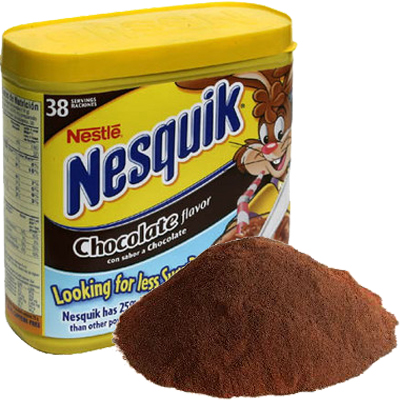
Nesquik Recalled for Possible Salmonella Contamination

Nestle is issuing a voluntary recall on more than 200,000 packages of its popular chocolate drink mix Nesquik. The product is believed to be contaminated with salmonella.

The Associated Press reported that the issue involves the ingredient calcium carbonate. Nestle stated that their ingredient supplier, Omya Inc., was the source of the possible contamination. The recall only affects the dry powder, not the ready made drinks.

The containers that have been affected are the 10.9, 21.8, and 40.7 ounce canisters. They all have the “best if sold by” date of October 2014. Consumers are urged to cease use and can return the item to the place of purchase for a full refund. Consumers may also contact Nestle Consumer Services.

There have been no reports of illness at this time. Salmonella poisoning symptoms can include diarrhea, abdominal cramping, and fevers. The elderly, infants, and pregnant women are at higher risk of severe symptoms.

Calcium carbonate, the ingredient that caused the recall, is added to many foods as either a preservative or a source of added calcium. According to their website, Nesquik states that it is fortified with added calcium to help build strong bones. Apparently this is why the ingredient is included in this product.
Read Full Post >


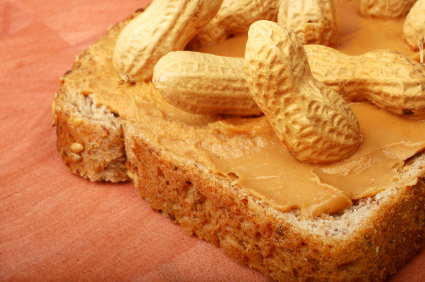
Trader Joe’s Peanut Butters Recalled Due to Salmonella Risk

If peanut butter is your jam, be on the lookout for some recalls this week. Last Friday, Trader Joe’s made headlines when it announced a voluntary recall of its Salted Valencia Peanut Butter on suspicioun of it containing a rare strain of salmonella

Since then, Trader Joe’s peanut butter producer, Sunland Inc., has followed suit after several people were reported sick.

The company recalled all of the nut-based spreads it sells to other companies, including Target’s Archer Farms and Earth Balance.

The nut butter recall initially included only peanut and almond butter, but was extended to include cashew butter, tahini, and roasted blanched peanut products manufactured between May 1, 2012 and September 24, 2012.

As reported by the NPR’s ‘The Salt,’ the recall was initiated after Sunland learned that 29 people were reported having the illness Salmonella Bredeny PFGE in approximately 18 states. Those states included Washington, California, Arizona, Texas, Louisiana, Missouri, Illinois, Minnesota, Michigan, Pennsylvania, Massachusetts, New York, Rhode Island, North Carolina, Virginia, Connecticut, New Jersey and Maryland, according to a report issued by the Centers for Disease Control and Prevention.
Read Full Post >