Diets in Review - Find the Right Diet for You

Pepsi


How Pepsi Found Itself in the Middle of the Bioethics Debate

Abortion, being the divisive and highly emotional issue that it is, unfortunately makes people jump quickly to conclusions, and in some cases snap decisions. A perfect example of how emotions make us leap before we look occurred when in early 2012, Oklahoma State Senator Ralph Shortey hastily proposed a bill that would ban food “which contains aborted human fetuses in the ingredients.”

Shortey decided to take action after he reportedly heard news through the pro life group Children of God for Life that Pepsi and others were partnering with a company called Synomyx that was using stem cells in researching taste substitutes for sugar. The Internet, and it appears the senator from Oklahoma, got caught up in this to the point where people started believing that fetal tissue was actually ending up in the foods we eat.

Stem cell research

While Shortey played damage control by saying he didn’t think human fetuses were in our foods, it’s hard to dispute what he hurriedly tried to pass into law.

Stem Cells for Taste Testing?

Senomyx has isolated receptors on cells that detect taste, then added them to HEK293 cells, the stem cell line in question. The company can then test countless additives to see which get the desired taste response much more quickly and efficiently than using people in studies.
Read Full Post >


Pepsi’s New Mountain Dew Kickstart is Not a Healthy Breakfast Choice

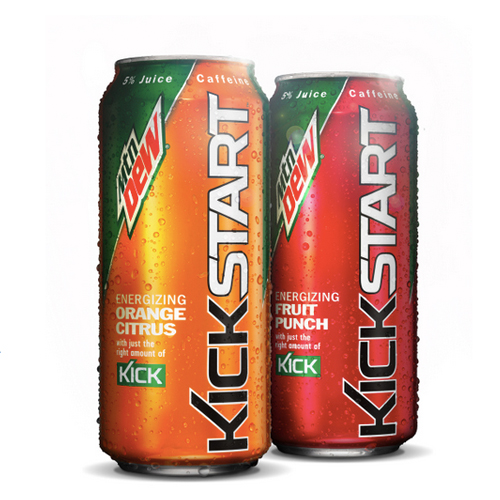
Just when you thought you’d seen it all, Pepsi tries to sell us on Mountain Dew for breakfast.

PepsiCo announced Monday it will be releasing a new “breakfast” drink. Mountain Dew Kickstart is a Mountain Dew-flavored fruit juice drink that will be available in two flavors: Energizing Orange Citrus and Fruit Punch, according to USA Today.

  • Mountain Dew’s vice president of marketing, Greg Lyons, explained Kickstart was born out of consumer demand. “Our consumers told us they are looking for an alternative to traditional morning beverages – one that tastes great, includes real fruit juice and has just the right amount of kick to help them start their days.”
    Read Full Post >


Diet Pepsi’s New Sweetener is Still No Reason to Drink Diet Soda

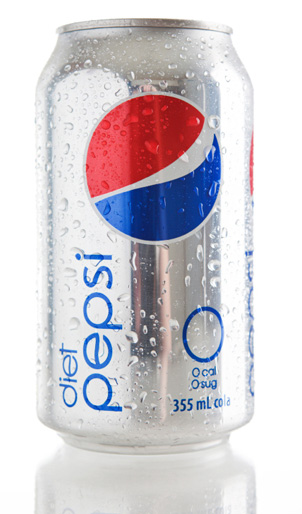
There’s a new Diet Pepsi in several cities around the U.S., which now lists a new ingredient on the cans and bottles. It’s called acesulfame potassium, also known as Acesulfame K or Ace K.

This quiet change is apparently not going to change the taste of the soda, but is meant to add shelf life by allowing the “fresh” taste and flavor to last longer. The project’s goal is to give the old/current base sweetener (aspartame) a jump kick because of its sensitivity to heat and susceptibility to breaking down. Ace K has proven to be less sensitive to heat.

So what exactly is Ace K? Acesulfame potassium is another form of an artificial sweetener that is calorie free and about 200 times as sweet as everyday table sugar. Due to its slightly bitter aftertaste, it is often mixed with other artificial sweeteners (in this case it was mixed with Diet Pepsi’s aspartame). It’s often found in many baked goods, processed foods and other soft drinks similar to Diet Pepsi.

“Aspartame breaks down during storage especially when the temperature is high (that’s why you can’t bake with it) and so this is a good move on Pepsi’s part,” said our resident dietitian, Mary Hartley, RD. “The move has nothing to do with the safety of aspartame, which has been found to be safe in scientific studies time and again.”

That might be one positive factor, but is it enough to make it OK to be consuming the other harmful ingredients listed on the back?
Read Full Post >


PepsiCo Has No Plans to Remove Brominated Vegetable Oil from Gatorade

UPDATE 1/29/13: After more than 200,000 signatures on a Change.org petition, PepsiCo has announced it will remove the flame retardant it currently uses in Gatorade. However, the company doesn’t not plan to issue a recall on products in market that still contain the BVO, or Brominated Vegetable Oil.

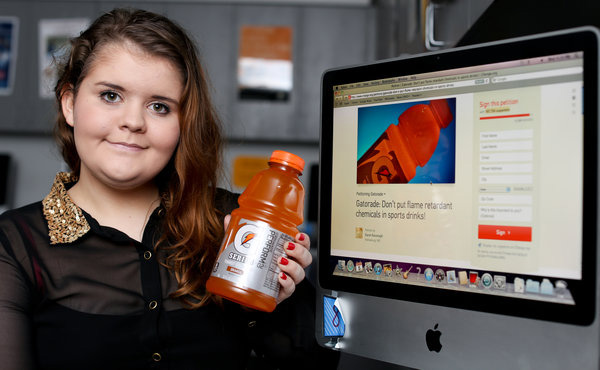
About a month ago, a 15-year-old teenager named Sarah Kavanagh was looking forward to the Gatorade she had stored in her fridge for after her long afternoon of playing outdoors in the humid heat in Hattiesburg, Miss.

With Sarah being the dedicated vegetarian that she is, out of habit she checked the ingredient list on the drink before popping open the top. While making sure none of the ingredients were made from any type of animal, she noticed it contained brominated vegetable oil. Though it had the word vegetable in it, Sarah still felt like investigating further.

“I knew it probably wasn’t from an animal because it had the word vegetable in the name, but I still wanted to know what it was so I Googled it,” said Sarah. “A page popped up with a long list of possible side effects, including neurological disorders and altered thyroid hormones. I didn’t expect that.”

Needless to say, Sarah threw the drink away without a sip or hesitation. She then began an online petition on Change.org where she now has nearly 200,000 signatures. Sarah’s hoping that she can get enough supporters that will persuade Gatorade’s maker, PepsiCo, to make some changes to the recipe.
Read Full Post >


Pepsi Special Aims to Make the Japanese Skinnier with a High-Fiber Additive

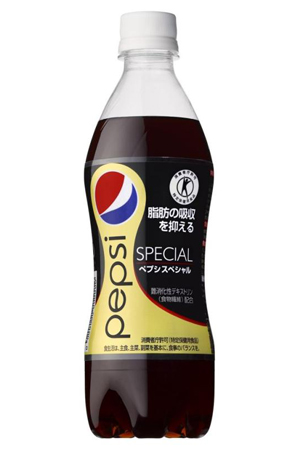
Pepsi-Cola isn’t exactly in a healthy industry. Over the past years, big soda companies like Pepsi and Coke have been scrutinized for contributing to the obesity epidemic. In light of this, Pepsi just announced a new fiber-infused flavor, “Pepsi Special,” that claims to reduce fat levels in the body. The product is only sold in Japan.

Pepsi Special contains dextrin, “a type of ‘functional fiber,’” explained our resident dietitian, Mary Hartley, RD. “This is a fiber isolated or extracted from a plant (or, in some cases, manufactured) added to a food. Dextrins are true soluble fibers that can help improve digestion. They act as ‘prebiotics,’ undigested fibers that feed the friendly bacteria in the colon.”

Benefits of dextrin include stabilizing blood glucose, regulating insulin, reducing risk of heart disease, and reducing cholesterol and fat cell levels in the body. Dextrin can be found in glue products as well, but it’s not safe to consume in that form. There are a number of foods and medications that contain dextrin and have for about half a century, notes Hartley. “Most people eat some dextrins every day without noticing a change in weight,” she said.

Will drinking the new Pepsi product make you skinnier? Probably not.

“Pepsi Special is a gimmick. It is just another product to increase market share,” calls out Hartley.
Read Full Post >