

Diets in Review - Find the Right Diet for You

Omega-3


Omega 3 Fatty Acids Maintain Mental Health

The benefits of omega 3 fatty acids are many, and they are well documented. Over the years, researchers have found that omega-3s can help with everything from heart health to preventing depression. While the news that it can help prevent mental health issues is not new, researchers are now finding out more about the brain mechanism whereby dietary choices affect your mental condition.

“We have observed that, in mice subjected to a diet low in omega 3 poly-unsaturated fatty acids, they have lower AGPO-3 brain levels, and this fact is associated with an alteration in the functioning of the endocannabinoid system,” says Doctor Susana Mato, one of the researchers at the Faculty of Medicine and Odontology of the University of the Basque Country.
Read Full Post >


Knowing Your Omegas on the Dr. Oz Show

Tune in this Wednesday, January 26 to the Dr. Oz Show to learn all about the big O – Omega fatty acids.

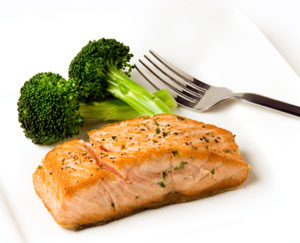
By now, we all know that omega fatty acids, like those found in salmon, flaxseeds and walnuts are good for you, but do we really know the difference between an omega-3 fatty acid and an omega-6 fatty acid?
Read Full Post >


Nine Heart-Healthy Foods You Should be Eating

February is American Heart Month, but that doesn’t mean you should only worry about having a healthy heart for 28 days out of the year. Heart health is incredibly important; if you take care of your heart, you’ll be less likely to suffer from heart disease and stroke, the most common killer in the USA.

The foods that you eat can have a great impact on your heart’s health. Think of your heart as a high performance sports car: if you put super-premium fuel in, you’ll get better results. Here are nine super-premium foods to keep your ticker in tip-top shape:

Oatmeal Oatmeal is good for your heart because it contains omega-3 fatty acids, fiber, potassium, and folate. The fiber in oatmeal is very beneficial for your heart because it can lower levels of your bad cholesterol (LDL), which can clear up your arteries.

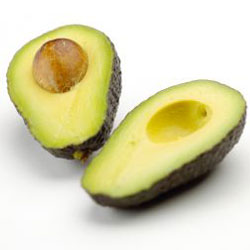
Avocados Like oatmeal, avocados will help lower your LDL cholesterol levels; they will also raise the amount of good cholesterol (HDL) in your body. They also make it easier for your body to absorb other nutrients that are good for your heart, such as beta-carotene and lycopene.


Read Full Post >


Salad Dressing May Not Break Your Healthy Diet

Salads are a convenient and tasty way to make sure you’re getting enough vegetables in your diet but sometimes, the addition of salad dressing can add fat and empty calories to your otherwise healthy plate.

Luckily, recent studies show that some salad dressing varieties, like types made with vegetable oils, can actually help your body absorb nutrients.

According to Patricia Groziak, M.S., R.D., the senior nutrition manager for Unilever, the presence of dietary fat is important for the body’s absorption of fat-soluble vitamins, such as vitamins A and E.

“A variety of studies have looked at the body’s absorption of these vitamins from common food sources, including raw vegetable salads,” said Groziak. “Research has shown that absorption of carotenoids (vitamin A) and vitamin E is greater when salad vegetables are eaten with full-fat or reduced-fat dressings as compared with a dressing that contained no oil.”


Read Full Post >


Your Guide to Good and Bad Fats

The American vocabulary uses “fat” as a negative adjective when actually, some fat is beneficial to your health. When it comes to diet, certain types of dietary fat an aid weight loss and help improve bodily functions.

The Harvard School of Public Health says to avoid trans-fats, limit saturated fats and choose healthy fats. What are healthy fats, you may ask? The “good fats” include monounsaturated and polyunsaturated fats, which have been said to help lower disease risk.


Read Full Post >