



Diets in Review - Find the Right Diet for You

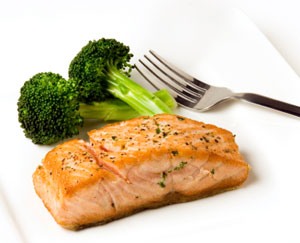
Omega-3


Top 10 Foods for Better Brain Health

Michael Gonzalez-Wallace is the author of Super Body, Super Brain. You can read more from him at www.superbodysuperbrain.com or pick up his book Super Body, Super Brain.

Who doesn’t want to get smarter? Who wants to look better or be healthier? Many recent studies have shown how specific nutrients have positive effects on the brain especially in those areas of the brain related to cognitive processing or feelings and emotions. Generally speaking, you want to follow a healthy diet for your brain that will lead to good blood flow, help maintain mental sharpness and reduce the risk of heart disease and neurodegenerative diseases such as Alzheimer’s and dementia.

We know how foods play a great role in our brain. This is the conclusion of several studies led by a phenomenal neuroscientist at UCLA, Gomez Pinilla.

According to one study, the super fats your brain needs most are Omega 3 fatty acids. Your brain converts them into DHA (docosahexaenoic acid) which enhances neuronal communication and promotes neuronal growth.


Read Full Post >


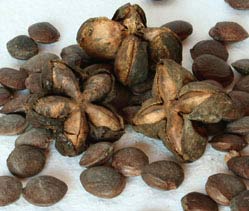
Inca Peanuts Touted as Best Snack for Weight Loss

Mary Hartley, RD, MPH, is the director of nutrition for Calorie Count, providing domain expertise on issues related to nutrition, weight loss and health. She creates original content for weekly blogs and newsletters, for the Calorie Count library, and for her popular daily Question-and-Answer section, Ask Mary. Ms. Hartley also furnishes direction for the site features and for product development.

Not only did Dr. Oz inherit Oprah’s timeslot, he also snagged “The Oprah Effect,” (When Oprah endorses a product, business explodes.) Case in point: Inca Peanuts. Had you heard of them before?

Here’s what Dr. Oz wants you to know.

“Inca Peanuts are the best snack for weight loss,” according to Dr. Oz. That’s because they control your appetite. They don’t suppress it like diet pills. Inca Peanuts are loaded with protein, fiber and fat, three nutrients that promote satiety. Inca Peanuts take the edge off hunger.

The protein in Inca Peanuts has all the essential amino acids, just like in animal foods. And the protein is highly digestible, as plant proteins go. Inca Peanuts are high in fiber with 6 grams of fiber per ounce. As a point of reference, one ounce of regular peanuts has only 2.4 grams of fiber.


Read Full Post >


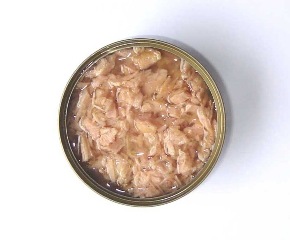
The Truth About Canned Tuna: Is it a Healthy Choice?

Formerly “weight challenged,” Denis Faye dropped 50 pounds following a 5-year jaunt through Australia, a trip that helped him become the extreme sports and fitness enthusiast he is today. His sports include swimming, scuba, rock climbing, spelunking, mountain biking, trekking, and—most importantly—surfing. He’s been a professional journalist for 20 years, writing for Outside, the New York Times, the Los Angeles Times, Los Angeles Magazine, Wired, Men’s Health, Men’s Journal, GQ, Surfer, and Pacific Longboarder. Denis now writes for Beachbody, which provides effective home workout dvds such as the very popular P90x program and the cardio workout dvd, TurboFire.

If ever a food confused health conscious eaters, it’s canned tuna. On one side, there’s the ascetic dieter, who eats the stuff right from the tin along side his single celery stick. On the other side, there’s your mom’s awesome cream-of-mushroom soup-drenched tuna casserole, which is trumped anti-nutritionally only by that greasy diner mainstay, the tuna melt. (True fact: in many restaurants, the tuna melt outdoes the hamburger for both calories and fat.)

And then there are the questions of mercury and overfishing and omega-3 fatty acids. Is this a healthy food or not? What’s a fish eater to do?

Fortunately, once you break it down, it’s not that complicated. As it turns out, a can of tuna can be healthy, ethical, and yummy – as long as your get your hands on the right can.


Read Full Post >


Inca Peanuts, an Ancient Superfood, Beneficial for Health and Weight Loss

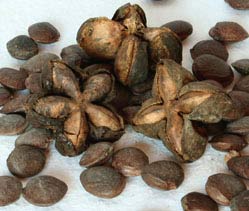
Inca peanuts, also called sacha inchi nuts, are cultivated in the Andes Mountains of Peru. Loved for centuries by the Incas, Inca peanuts have recently been plugged by Dr. Oz as a superfood.

Historians believe that the sacha inchi plant (which produces the seeds we know as Inca peanuts) has been used by the natives of Peru for over 3,000 years. Images of the sacha inchi plant in Incan tombs are thought to be proof of this long-ago cultivation. The seeds are shelled and eaten raw, roasted, with sugar on top, or as an oil in traditional recipes. It’s also used as a cosmetic facial cream in some areas.

For those of us who live far from the Andes, Inca peanuts remain elusive. It can be hard to find them and the high cost of special ordering deters a lot of people so don’t be afraid to start off with a small order. Hopefully, availability will increase as time goes on and more people show an interest in the new health food- although there’s really nothing new about a centuries-old Amazonian plant.


Read Full Post >


Zone Diet’s Dr. Barry Sears on Reducing Inflammation for Healthier Hearts

No matter which health goal you have, odds are it ties back to your heart. As we explained in a recent post about heart health statistics and facts, brushing your teeth, stressing less, exercising, losing weight all have a direct, and positive, impact on your heart. One of the ideas we discussed was reducing inflammation, so we followed-up with one of the foremost experts on inflammation and its relationship to heart health, Dr. Barry Sears.

In the household name sense, Dr. Sears is the creator of the Zone Diet, a clinically proven lifestyle program designed for losing weight, fighting the effects of aging, reducing the risk of chronic disorders and improving mental and physical performance. Not to mention, the Zone Diet has a tremendous affect on reducing inflammation.

Watch our interview with Dr. Sears as we discuss the current status of heart health in the U.S., which he calls “under flux.” Dr. Sears also explains what inflammation is, how it affects our hearts, and what we can do to treat or prevent it. Finally, you’ll hear the single most important thing you can do for heart health.


Read Full Post >