




When I heard the recent news that a Gallup poll found 48 percent of U.S. adults consume at least one soda every day – the average amount being 2.6 glasses – my initial reaction was “Well, at least the other half isn’t drinking a soda a day.”
But Diets In Review’s Registered Dietitian Mary Hartley, RD, took it a step further saying while that’s true, it’s not because of the data from this Gallup poll, which is not a scientific survey. “The way they report soda intake in terms of ’glasses a day’ is flaw,” she said. “How big are the glasses?”
Mary says the most worthwhile intake data actually comes from the National Health and Nutrition Examination Survey (NHANES). This is because NHANES is a continuously running cross-sectional survey designed to monitor the health and nutritional status of the U.S. population.
Read Full Post >
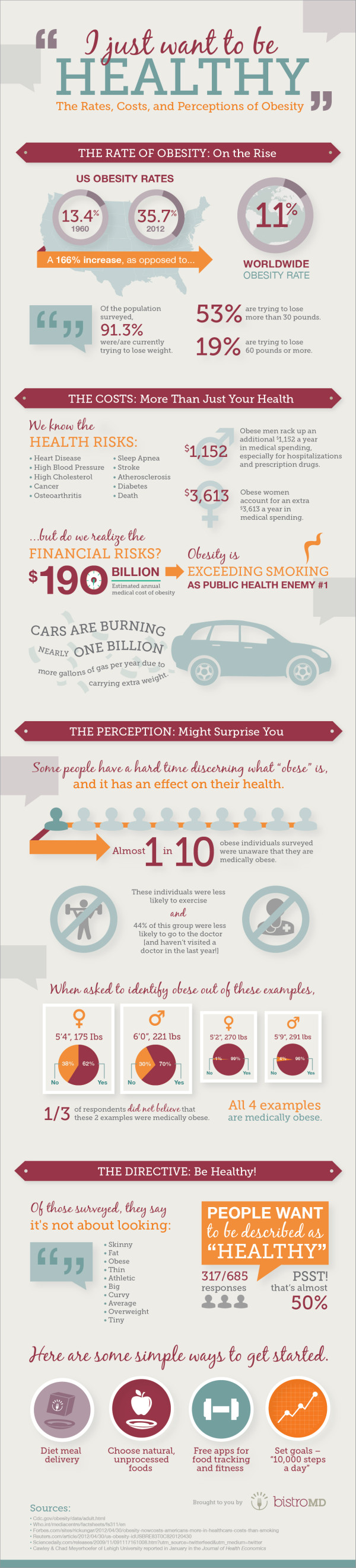
As more of our population become obese and overweight, obesity diseases become much more prevalent. Hypertension is one such disease, and here I explain what it is, why it affects the overweight, symptoms and prevention.
What is it?
Hypertension is one word meaning elevated or high blood pressure. Known as the “silent killer” due to it being asymptomatic (not showing significant signs or symptoms). It typically leads to having a fatal stroke or heart attack. High blood pressure is defined as having a consistently elevated arterial blood pressure. When a doctor or nurse takes your blood pressure, they measure the systolic and diastolic blood pressure. Being hypertensive means you have a systolic blood pressure above 140mm Hg or diastolic blood pressure is above 90mm Hg (normal blood pressure = systolic of 130mm Hg and diastolic of 85mm Hg). Untreated hypertension can result in heart failure, renal disease, and peripheral vascular disease.
Read Full Post >
As more of our population become obese and overweight, obesity diseases become much more prevalent. High Cholesterol is one such disease, and here I explain what it is, why it affects the overweight, symptoms and prevention.
What is it?
Cholesterol is in every cell in your body and is important for proper functioning of your body (i.e. used to build healthy cells and some vital hormones). With high cholesterol (hypercholesterolemia), fatty deposits may develop in your blood vessels, making it difficult for blood to properly flow through the arteries. With this restricted flow your heart may not get the oxygen-rich blood that it needs, possibly causing a heart attack or stroke, if blood flow is restricted to your brain.
Why is it affected by obesity/overweight?
Obesity is mainly caused by taking in more calories than are expended through physical activity and daily life. Taking in too many calories, or too much saturated fat, trans fat and cholesterol will increase blood cholesterol levels. High cholesterol is an obesity-associated disease due to the increased amount of fat, especially when that fat is found in the abdominal region (“apple”-shaped individuals). Obesity raises blood LDL “bad” cholesterol and lowers HDL “good” cholesterol.
Read Full Post >
As more of our population become obese and overweight, obesity diseases become much more prevalent. Metabolic Syndrome is one such disease, and here I explain what it is, why it affects the overweight, symptoms and prevention.
What is it?
Metabolic syndrome is characterized by several disorders related to your metabolism simultaneously. These disorders/components include obesity (particularly abdominal/waist fat), elevated blood pressure, increased triglyceride level, low HDL “good” cholesterol level, and insulin resistance. Having one of these components means you are more likely to have others; the more components you have the greater risk to your health.
Metabolic Syndrome has had a few names including syndrome X and insulin resistance syndrome. Not all experts agree on the definition of metabolic syndrome or whether it exists as a medical condition. Despite the discrepancies, the severity of possessing this collection of risk factors can lead to serious health complications.
Why is it affected by obesity/overweight?
Obesity is one of the components to this syndrome, therefore it has a huge impact on it. A body mass index (BMI) of greater than 25 increases your risk. BMI is a measure of your percent body fat based on height. Abdominal obesity (fat accumulation in the stomach area), or being “apple-shaped” rather than “pear-shaped,” is another factor increasing your risk of metabolic syndrome.
Read Full Post >
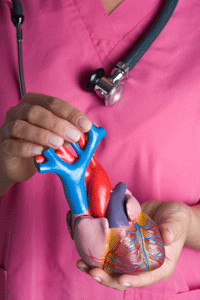
As more of our population become obese and overweight, obesity diseases become much more prevalent. Heart disease is one such disease, and here I explain what it is, why it affects the overweight, symptoms and prevention.
What is it?
Heart disease is an umbrella term used to describe a range of diseases affecting the heart and, in some cases, blood vessels. The diseases that fall under this broad term include: cardiovascular disease, coronary artery disease, heart rhythm problems, congenital heart defects, etc.
The damaging effect of heart disease is severe, it’s the number one killer of men and women. According to the Mayo Clinic website, it’s responsible for 40% of all the deaths in the U.S., which is more than all forms of cancer combined.
Why is it affected by obesity/overweight?
Abdominal fat is a predictor of risk for obesity-related diseases. Overeating and physical inactivity is a deadly combination when it comes to your health. A poor diet high in fat, salt, and cholesterol (which is a common diet in obese/overweight individuals) can and does contribute to the development of heart disease. The rate of obesity is significantly high in the U.S., thus is of concern to health professionals because of its implications on American’s health.
Read Full Post >