It’s a very common practice amongst mom bloggers to accept products from companies to review or promote to their audiences. The bloggers get everything from candy bars to mattresses and vacations for free and the brands benefit because, for what is usually no more cost than samples of their product, they get a lot of highly influential publicity.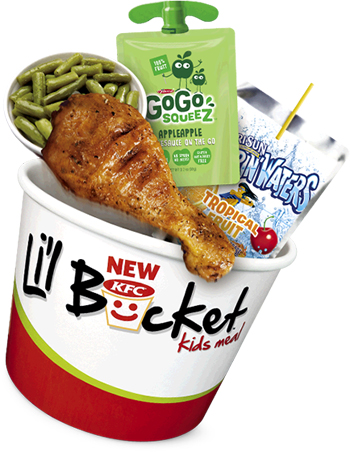
This weekend, some of those mom bloggers came under quite a bit of fire from their peers. Several moms were invited by Kentucky Fried Chicken to visit the restaurant’s headquarters in Louisville, Kentucky to learn about their new “healthy” kids meals and in turn promote them to their followers using #KFCKidsMeals on Twitter. That’s pretty standard, but where eyebrows raised on this publicity event was that the company invited the moms with their kids.
The health of our children is a hot button issue right now, and the #KFCKidsMeals hashtag was practically high jacked by moms condemning both KFC and the participating moms for subjecting their children to what is no better than chemically laden, nutritionally void food.
Leah Segedie, known best as @BookieBoo and the leader of Mamavation, was one of the moms on the outside of #KFCKidsMeals tweeting in. Any time you intersect kids and nutrition you’ll find Leah, and this campaign was no different.
“I basically took control of it to make sure it was done in a fair way without attacking the bloggers involved,” she told us. “But I can’t control what people write on their blogs, obviously.”
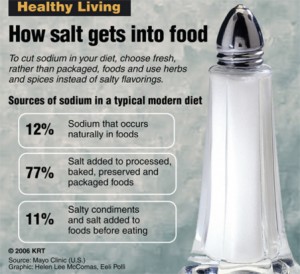
Leah spent this weekend tweeting out questions to the moms involved. She wanted to know about MSG, sodium, carcinogens, and other chemical ingredients in the food. Who better to ask than the people sitting right inside KFC HQ? As far as we could tell, no one got back to her with those answers; although, one tweet implied that the company would get in touch with her. (more…)