“We’ve fought them before and we’re not afraid of them.”
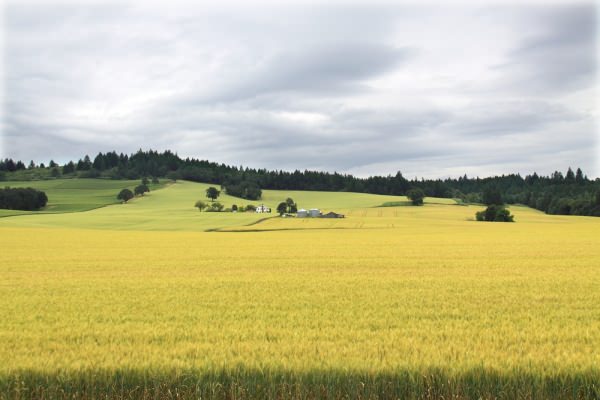
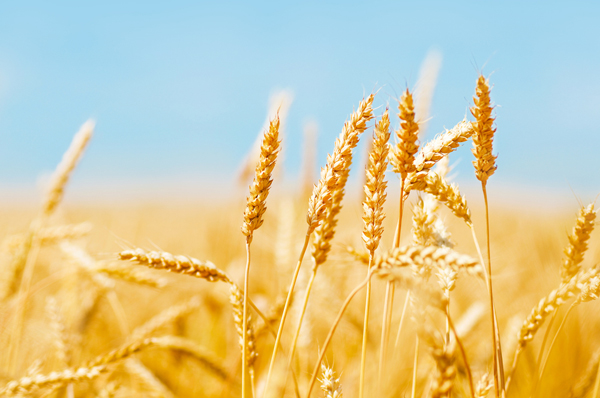
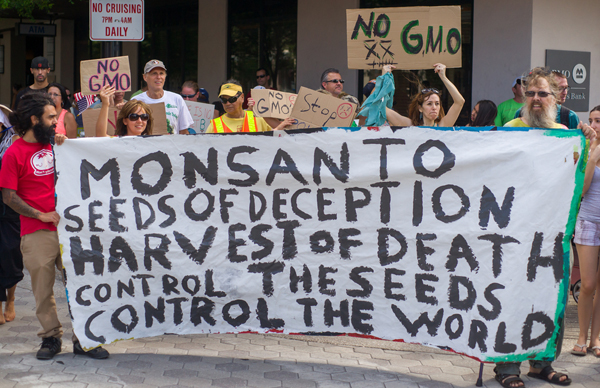
Those are the words of Warren T. Burns, one of the attorneys representing a Kansas wheat farmer who is taking on the biotech giant Monsanto. According to the Associated Press, farmer Ernest Barnes filed suit against the company on Monday after genetically modified wheat was found growing in a field in Oregon. Barnes is claiming the company’s gross negligence has hurt U.S. growers. Genetically modified wheat is not approved for U.S. farming and this discovery may show that the GMO crops that were tested in certain states have infiltrated the food system by actually growing in the field where approved wheat is farmed.
Since the announcement, Japan has suspended some import orders. This is just an indicator of what may happen if GMO wheat contaminates the American wheat crops. Other countries have strict laws about GMOs; more than 60 countries have banned GMOs and most do not want any products sent to their country if they contain GMOs. The wheat industry was still on the up and up, as no GMO wheat has been approved for U.S. farming. Now that it seems there’s been a contamination, who knows what will happen. Read Full Post >
We’ve got to start somewhere and why not start in Vermont? Start labeling GMOs, that is. A new federal bill, the Genetically Engineered Food Right-to-Know-Act, was introduced by Senator Barbara Boxer (D-CA) and Representative Peter DeFazio (D-OR). The bill mandates the labeling of GMOs and this one might actually pass in Vermont.
RT.comreported on this issue as the bill passed through the state house last week. The report stated that more than 90 percent of Americans want GMO products labeled. Senator Boxer presented these numbers. RT.com also followed that up by reminding us that right now the Food and Drug Administration still does not consider a GMO to be “materially” different. This means the products cannot be tasted, smelled, or identified. Because of this, the FDA does not require labeling. More than 60 countries in Europe require such labeling; maybe soon, this will change in the United States. Read Full Post >
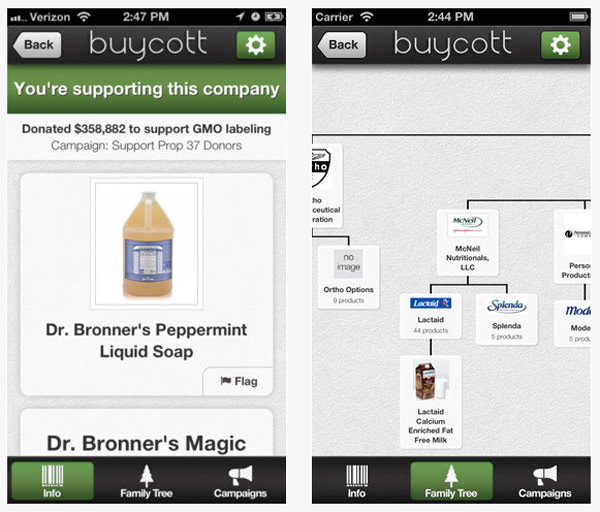
Are you one of the millions of Americans hell bent on putting this monster of a company, and its peers, in their place? There’s now an app for that. In fact, Buycott, which launched this month to much consumer excitement, will help you boycott products from brands you’ve no interest in supporting. So many consumers want to vote with their dollars, but because of the tangled web weaved by mergers and company ownership, few people know that when they innocently buy a box of Duncan Hines cake mix that the brand is owned by Monsanto.
Now with Buycott, you can simply scan the bar code of any product at the grocery store and find out which company is behind it. The idea is certainly not to complicate your grocery experience, what with the reading of ingredient and nutrition labels, too, but rather to arm you with more information to make a most educated decision. If this is your thing.
“A buycott is the opposite of a boycott. It is an active campaign to buy the products or services of a particular company or brand,” they say in the introductory pages of the app upon download. This suggests that while you may scan one brand and learn of its corporate heritage and choose not to buy it, you’ll likewise scan a different product and choose to support that brand instead. The Buycott app can work either way, obviously. Read Full Post >
The market is saturated with food documentaries. A new one is about to surface, yet this one doesn’t seem to be filled with the same information told in a new way. This one rarely mentions obesity, doesn’t really get into what vegetables you should be eating, and I don’t think there’s much mention of fast food. This one is different. It’s bringing to light an important issue that has been hidden in the dark for too long. Genetic Roulette, The Gamble of Our Lives will be released soon and so will many frightening yet true facts about Genetically Modified Organisms (GMO).
GMOs have become a hot button issue in the food, health, and related industries. Grassrootefforts are rising up as Non-GMO advocatestry to get ears to hear the hard truths about the food we’re being fed and the food we’re feeding to our kids. This film may be the voice advocates need. There are many details that compelled me to listen closer and research more about this topic. One of the harshest truths was revealed early on in the film – we are all likely eating food that causes insects’ stomachs to explode. Stomachs explode, yes, you read that right. Read Full Post >
On Tuesday, President Obama signed a spending bill, HR 933 continuing resolution, into law. Included in HR 933 is the controversial Section 735, the provision now know as the “Monsanto Protection Act.”
The Monsanto Protection Act effectively prevents the federal courts from halting the sale or planting of genetically modified organisms (GMOs) and genetically engineered (GE) seeds and crops regardless of what health consequences may result from the consumption of those products in the future.
A major concern is that not enough research has been done on the health risks of GMOs and GE products. If health risks were to become apparent in the future, the Monsanto Protection Act would remove the judicial power to prevent companies from selling them. Read Full Post >