Diets in Review - Find the Right Diet for You

milk


Flavored Milks and Other Unhealthy Foods Eliminated from Los Angeles School Lunches

Parents of children in the Los Angeles School District have something new to talk to their children about when discussing healthy lifestyle choices: the absence of flavored milk in school lunches. On Tuesday, June 14, 2011, the Los Angeles Unified School District voted 5-2 to remove flavored milk options from its school menus.

Many school districts – including Washington D.C. -  have passed similar acts in their efforts to make the meals they serve their students healthier while also combating childhood obesity. Los Angeles is the largest school district to ban sugar-laden, artificially flavored milks from their lunches. This district serves 650,000 meals a day at 1,000 different locations. In addition to removing milk from their menus, Los Angeles schools will be removing other unhealthy options such as corn dogs, chicken nuggets, and other fast food items. In their place, the district is adding more vegetarian options, such as spinach tortellini with butternut squash and California sushi rolls.

“Absolutely, by the fall the district will be a national leader,” said a senior advocate for the California Food Policy Advocates, Matthew Sharp.


Read Full Post >


5 Surprisingly High Sodium Foods

When you hear high sodium food, you usually think salty snacks: pretzels, chips, crackers and the like. You may be surprised, however, that some of the highest sodium foods aren’t salty tasting at all.

We all should be cutting down on our sodium intake, as recommended by the 2010 American Dietary Guidelines, so head to your pantry and see if any of these sneaky sodium-packed foods have found there way into your kitchen.

Breakfast cereals are notorious for not only being packed full of sugar, but sodium as well. Cereals “are more concentrated in salt than 50 to 60 percent of the items in the salty snack aisle,” says Dr. David Katz, founding director of Yale’s Prevention Research Center.


Read Full Post >


Chocolate Milk the Best Post Workout Recovery Drink

Surprising, right?

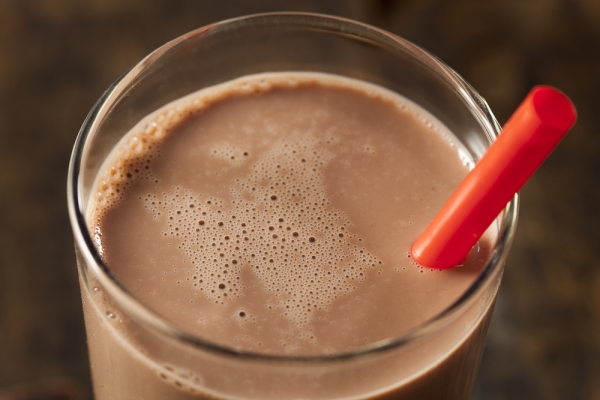
Usually, when we think of chocolate milk, we think of children grabbing the sugary drink in the lunch line at school much to the dismay of their parents. Not many people picture a bottle of the sweet moo-juice tossed into the gym bag of the muscle-bound endurance athlete as a recovery drink. Research, however, tells us that chocolate milk is the best choice to refuel after your toughest workouts. Director of the Human Performance laboratory at Indiana University Physiologist Joel Stager’s latest study, published in January’s International Journal of Sport Nutrition and Exercise Metabolism, names chocolate milk as the optimum choice for after a long workout.


Read Full Post >


Organic Milk Is Healthier Finds Scientists

milk An European Union funded study found that organic milk is healthier after analyzing 22 different brands commonly sold in supermarkets. Researchers found that organic milk has higher levels of beneficial fatty acids but lower levels of saturated fats than conventional milk.

Although the paper itself does not explicitly say that consumers should switch to organic milk, the lead researcher, Gillian Butler, made that recommendation in other discussions of the findings. The study is published in the Journal of Dairy Science.

“We wanted to check if what we found on farms also applies to milk available in the shops,” said Butler. “Surprisingly, the differences between organic and conventional milk were even more marked. Whereas on the farms the benefits of organic milk were proven in the summer but not the winter, in the supermarkets it is significantly better quality all year round.”


Read Full Post >


Breastfeeding Debate Irrupts in the UK

childIn 2001, the World Health Organization that mothers exclusively breastfeed their babies until six months, but now some scientists are worried that this practice may be harmful. An article published in the British Medical Journal presented evidence that failing to introduce any solid food before six months may increase a baby’s rick for iron deficiency, anemia and celiac disease.

However, Mary Fewtrell of the University College London Institute of Child Health says few mothers are able to follow the WHO guidelines, which were also recommended by the UK’s government starting in 2003. Fewtrell said that most mothers find that their babies want more food than they can provide before six months, and that few mothers feed their children exclusively breast milk before the age of six months. “About 1% were doing it in 2005, although probably more now,” she said. “But only about 20% breastfeed at all at six months. It is not a common behavior.”


Read Full Post >