Diets in Review - Find the Right Diet for You

michael pollan


Make Your Own Junk Food for Super Bowl

Holidays and events are generally focused around the food. While there’s nothing particularly wrong with this, the problem occurs when we choose the wrong foods on which to focus. Super Bowl is a prime example, known as the biggest eating day of the year. If you’ve made a resolution, this is your first real test and we want to help you pass with flying colors!

“Eat all the junk food you want, as long as you cook it yourself,” is a favorite quote by Michael Pollan, author of Food Rules and Omnivore’s Dilemma. It suggests that it’s OK to eat the foods you love, but only when you prepare them yourself. This allows you to control the ingredients, reduce or remove the processed and chemical ingredients, and stay closer to the whole form of the foods.

Here are some favorite homemade junk food recipes that will no doubt be a hit at your Super Bowl party, or any other food-focused event you’re hosting!

Fake Fry. Anything breaded, battered and fried isn’t good for you, no matter how healthy the original form of the food (think sweet potatoes and chicken). Use Panko, Japanese bread crumbs, to coat chicken strips, zucchini, onion rings or even green beans. Dip in low-fat buttermilk or toss in a small amount of olive oil, roll in Panko, give a light mist of cooking spray and then bake. The food comes out super crunchy and much healthier! Try this Biggest Loser’s Winning Fried Chicken.
Read Full Post >


Harpo Staffers Take a Vegan Challenge on The Oprah Show

OprahTune in this Tuesday, February 1st, to The Oprah Show to see Oprah and 378 of her staff members try a vegan diet for one week. They won’t be eating any meat or other animal products for a whole week, while Oprah explores the meaning of eating animals.

Lisa Ling takes a trip to a beef processing plant, to take a close look at where our meat really comes from. Will her discoveries be reassuring or disgusting? To also help viewers understand the food industry, Oprah welcome back Michael Pollen, author and food expert.


Read Full Post >


8 New Food Rules From 13 Scientists

Michael Pollan had his 64 rules for eating healthy and in recent weeks, 13 scientists who were appointed to an advisory committee released their new “food rules”. This early release of “rules” is not yet the final dietary guidelines for Americans, so now is our chance to have some influence by providing our feedback. Final dietary guidelines will become available at the end of 2010, so make sure to give your 2 cents in our comments section and we will work to roll these up and help steer our country to a healthier place.

1. Eat fewer calories. The average person needs to consume roughly 2,000 calories per day. Most don’t know what they should consume for their individual height and weight, let alone how much they are actually eating. To find out what your daily calorie consumption should be, visit: DIR Health Calculator.
Read Full Post >


Tune In: Michael Pollan on The Oprah Show

Image via Oprah.com

Image via Oprah.com

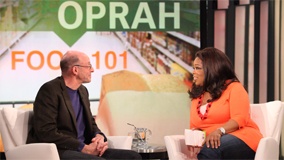
Tune in this Wednesday, January 27, 2010 to The Oprah Show when food activist and writer, Michael Pollan, gives you the truth about where your food actually comes from.

From cereals to lunch meat and from bagged lettuce to a carton of eggs, before you grocery shop you have a listen to what food guru Pollan has to say about the foods that we normally don’t give a second thought to when we toss them into our grocery cart.

If you’re at all concerned about eating healthier and safer for you, your family and the planet, this is a tune-in you don’t want to miss.
Read Full Post >


Review – Fresh the Movie

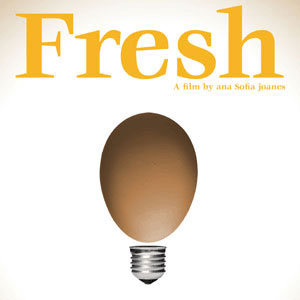
fresh the movieFresh, a movie that was produced in 2009, and similar to Food Inc., shines a light on the American food system. The spin that Fresh takes on, which I found refreshing, is the positive focus on what individuals are currently doing to transform what is at the moment a broken cycle. The movie confronts many issues that exist such as food contamination, environmental pollution, obesity, and affects on our natural resources.
Some of the highlights I have from the film are as follows:

  • Through industrialization we have lost 90% of our crop diversity as the majority now focuses on corn and soy beans
  • Of those crops, 70% are grown to feed farm animals, which should be noted are herbivores (eating grasses and herbs)
  • Back in the day animals roamed free on farms. Through industrialization, livestock has become big business and thousands of animals are now housed in tight quarters, commonly referred to as “Animal Cities”.
    Read Full Post >