



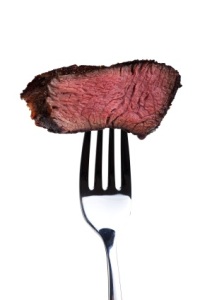
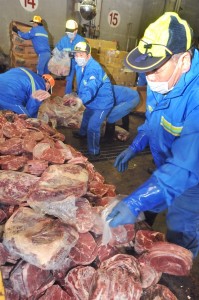
For many Americans, their meat-eating habits are becoming a concern – especially when it comes to red meat. With so many advocates for vegan and vegetarian diets and campaigns to eat less meat, it’s hard not to question our carnivorous ways. But maybe that’s a good thing.
Meat isn’t inherently bad. In fact, it can be healthy as there are many nutrients we can gain from it such as iron, protein and essential amino acids. But where the concern rises is in the amount of meat we eat, how much fat it contains, and what kind of quality it is.
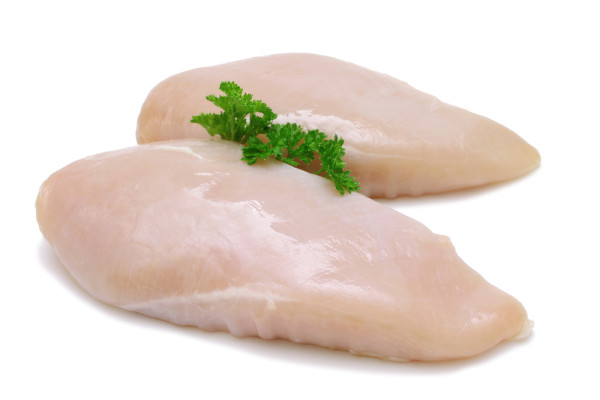
So what kind of meat should we be eating? Poultry and fish are traditionally the leanest options. Some types of fish provide highly-beneficial Omega-3 fatty acids. And chicken is typically very lean making it a healthy option for those wanting to keep meat in their lives, as long as it isn’t fried.
Read Full Post >
Have you ever thought that your preference to eat meat or not may be genetic? Well a new study that’s linked a person’s genes to how appetizing meat smells, suggests that it is.
Researchers entered the study knowing that the way our bodies detect scents is through tiny chemical receptors that are perched on nerve cells inside the nose. It’s estimated that in total, humans have about 400 unique smell receptors that help sense around 10,000 different odors.
Some receptors detect androstenone – a steroid found in high concentration in male pigs. And previous research shows that 70% of the broader population has two copies of a specific gene that helps sense the steroid. Such people typically have a mixed reaction to pork, with many finding it disgusting and likening it to sweat or urine. But people with only one copy of the gene aren’t as bothered by the smell of androstenone.
Read Full Post >
Ractopamine, ever heard of it? Probably not. However, this feed additive is rather controversial and is causing international waves.
Ractopamine is fed to American livestock in order to promote lean meat. Currently, it is fed to about 60 to 80 percent of the pigs in America and as a result, there have been numerous reports of dead and sickened pigs. No other livestock drug has caused such high numbers of death and illness according to an investigation by the Food and Drug Administration (FDA).
Since the drug was introduced, over 218,000 pigs on ractopamine have been reported to show very adverse effects. Since March 2011, the drug has caused the majority of problems in pigs even though other livestock animals are on the drug. Pigs are suffering from hyperactivity, trembling, broken limbs, the inability to walk, and death. These results were gathered from a FDA report that was released under a Freedom of Information Act request. Even though these disturbing things are happening to the livestock, the FDA says the data can’t determine that the drug caused these effects.
Read Full Post >
Pink slime has been making headlines a lot lately. As most consumers are learning the truth about the food they’re putting in their mouths, the government is apparently getting nervous.
If you haven’t read the truth about this product called pink slime that is making up the majority of the meat served in this country, you should really inform yourself.
Microbiologist Carl Custer gives an excellent definition of pink slime. Custer explains how the substance is primarily connective tissue and gristle, the texture is simply manipulated mechanically and the flavor altered chemically to fool you into thinking it’s meat.
“It’s not meat. We call it Soylent Pink,” Custer said, who has worked with the Food Safety Inspection Service for 35 years.
Read Full Post >
March marks the start of nutrition labels for raw meat and poultry. The new USDA rule states that nutrition information must be made available for most ground meat and ground poultry and for popular cuts of the two.
Previously, the USDA only required nutrition labels on meat that had added ingredients like stuffing or a marinade sauce. Now, all ground meat and poultry must carry a label. Along with ground meat 40 popular cuts will also be required to post a label either on the product or on a nearby chart. Some of those cuts include beef porterhouse steaks, chicken breasts, and pork chops.
The labels will provide the calorie and fat content of the meat. If the product shows a percentage of lean meat, it must also include the percentage of fat.
The labels do not have to include amount of trans fat though. This is not a requirement as the USDA estimated that nearly 80 percent of all nutrition labels list trans fat voluntarily.
There is an exception to the new labeling rule. Small meat grinding businesses are exempt. As long as the business provides lean and fat content information and makes no other nutrition claims on the package, they do not have to provide the other content in a label.
Read Full Post >