




The cost of a cup of coffee ain’t what it used to be. But diet-wise, a cup of joe will only cost you about 5 calories. That is, until you start adding flavors to it. Then the calories start racking up.
In fact, some fancy coffee drinks amount to the same caloric intake as an entire meal.
The largest size of Starbucks’ Dark Berry Mocha Frappuccino, a limited for summer-time offer, contains a whopping 561 calories. Speaking of whoppers, a flame-broiled Whopper from Burger King isn’t much more at 670 calories.

Sometimes it’s the little things that make the difference. In the case of your diet, don’t just look at the food you eat, but what you put on it.
Condiments are often a second thought in our meal preparations, that may be putting on extra pounds. Yes, but not necessarily in the way you would think.
New research is suggesting that if you just say no to the extras on your food, like ketchup, relish, etc., you can shed some weight. But not so much because of the extra calories, even though that would help too, it’s more about evidence that shows condiments make people consume more food.

There’s more concern over the fast-food industry. This time researchers are finding that the more fast-food establishments there are in the proximity of your home, the higher the risk of stroke
Researcher Dr. Lewis B. Morgenstern at the University of Michigan in Ann Arbor counted 1,247 strokes caused by blood clots in 64 census tracts in Nueces County, Texas, from January 2000 through June 2003.
“The association suggested that the risk of stroke in a neighborhood increased by one percent for every fast-food restaurant,” the authors wrote in a poster presented at the American Stroke Association’s International Stroke Conference.

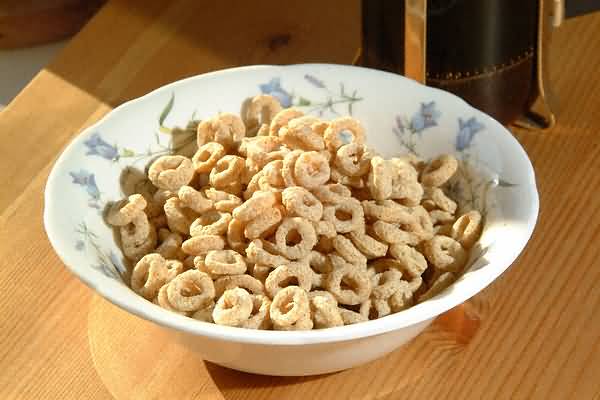
Breakfast is often touted as the most important meal of the day. And while it’s not a good idea to play down any of your daily meals, there could be some truth to it, according to new research.
But the importance of breakfast is tied to how healthy the meal is.
Researchers analyzed data from a national health survey and found that people who ate lower-calorie foods for breakfast tended to have a higher-quality diet overall.

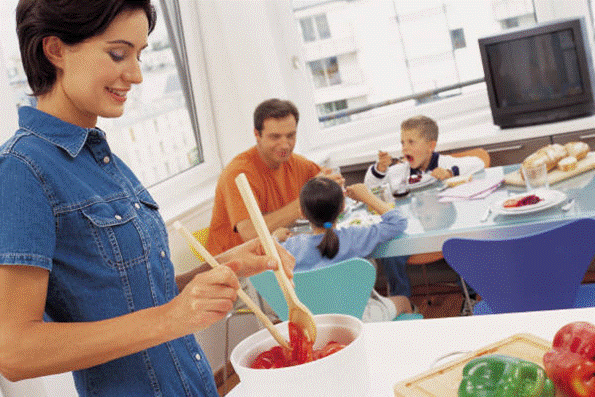
Are family meals making a comeback? I know in my household we are trying to make an effort to eat most meals at the kitchen table instead of haphazardly around the family room. I’ve found that my two-year-old daughter will eat much better that way than just hanging out on the couch and eating in front of the tube.
I would have thought that most households eat meals informally. Everything is so fast paced and short attention spanned, people just eat when they get around to it. But, according to a 2007 Columbia University survey of more than 1,500 teens and parents, 59 percent of teens eat dinner with their families at least five times a week, an increase of 12 percent over the last decade.
