
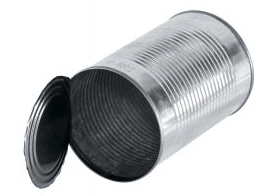

Are you stocking up your cabinet with canned goods, prepping for the impending world economic apocalypse? Well, if the doom doesn’t come, you’ll still need to eat the food that’s taking up all that space. Just don’t think you can sit on canned goods until the end of time. Contrary to popular belief, they don’t last forever.
Commercially prepared canned food has a long shelf life. But like all good things, they eventually come to an end. The ending date just depends on the kind of food you’re talking about. This is how it works, according to the Department of Agriculture:

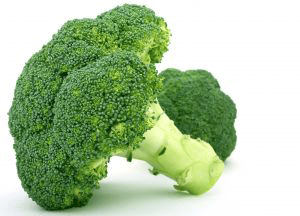
A very interesting article was written on the Mayo Clinic website about broccoli’s ability to reverse diabetes damage. The Mayo Clinic is a very credible and highly renowned hospital that has a great reputation as a pioneer and innovator in medicine – patient care, medical research and academic education. The article discussed a research study in which scientists examined the phytochemical sulforaphane, found in broccoli.
Research has shown that sulforaphane seems to help:
- Produce enzymes in the body that protect blood vessels, which is achieved by reducing tissue damaging substances triggered by high blood sugar. Vascular disease is a major complication of diabetes. This type of disease can lead to heart disease, stroke, blindness, kidney failure, and circulation issues in extremities, which could lead to possible amputation.
- Activate genes that regulate protective antioxidant (scavenger harmful free radicals) and detoxifying enzymes.


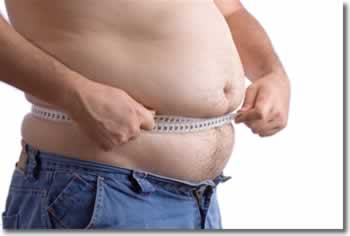
The inches around your waist should be no more than half your total height.
Men and women battle different fat demons. Men usually have it accumulate around the waist, while women have problems in the thighs and rear end.
One thing I get a little jealous about is when guys are just naturally thin in the waist. But even the best of them lose that advantage with age. I’ve always been pretty naturally thin, but when I let myself go even a little, the only thing that is natural is the mid-section bulge that comes with slacking on my nutrition and exercise.
It doesn’t take a ton of weight gain around the waist to start inching toward serious health risks. So what’s the best way to tell? A great way is to check your waist size.
