By day, guest blogger Maris Callahan is a publicist in New York City. In her spare time, she is a freelance writer and food blogger at In Good Taste, a blog about cooking and eating good healthy food when you’re busy or on-the-go (with a few indulgences, because everyone needs those!) When she isn’t cooking or writing she enjoys running, knitting, photography and a good latte.
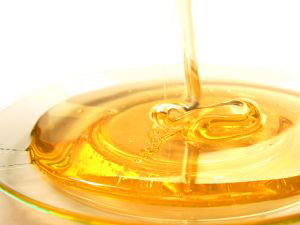
We all know to put honey in our tea when we have sore throats, but most of us don’t stop to ask why. For centuries, honey has been used as a topical application to help prevent infection, due to naturally occurring antiseptic and antibacterial qualities. With the invention of antibiotics, this practice became less frequent, but consuming honey is still said to have health benefits and might even reduce sensitivity to certain environmental allergens.

By day, Maris Callahan is a publicist in New York City. In her spare time, she is a freelance writer and food blogger at In Good Taste, a blog about cooking and eating good healthy food when you’re busy or on-the-go (with a few indulgences, because everyone needs those!) When she isn’t cooking or writing she enjoys running, knitting, photography and a good latte. 
Anyone who has been on a diet has probably heard the golden rule of weight reduction: burn more calories than you eat. Though there are a variety of diets that suit different lifestyles, taste buds and appetites, many health professionals would agree that a low-calorie diet combined with exercise is a reliable way to shed pounds.
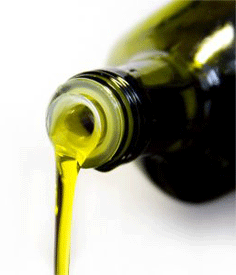
So then why do they tell us to eat olive oil? By reading the nutrition label, one might think that olive oil should be considered an occasional indulgence and used sparingly. The good news is that dieters don’t need to pass on the heart-healthy antioxidant source in order to maintain or lose weight.
