







There have been a couple of cases in the news of social services moving children to live with family members after parents have seemingly ignored doctor orders to help the child lose weight for health reasons, not just in the United States but in Scotland and Canada as well. Nutrition and a healthier environment is also an argument used to determine custody and/or primary residence for a child. The courts are paying attention to the childhood obesity crisis in the United States, which can cause physical and emotional issues for children that extend into adulthood. It is certainly a controversial and inflammatory topic for many.
I admit to having high nutritional standards and being pretty opinionated about what the children in my family are fed. There are certain ingredients that can be considered contraband in my house. As a therapist specializing in adoption, particularly children from hard places, I am familiar with how attention to diet can greatly impact behavior and symptoms of several disorders including ADHD, autism, Aspberger’s, and depression. I think nutrition is vitally important to physical and mental health. In the same way, as a therapist specializing in adoption, I never take separating a child from his or her family lightly. While there are times it is necessary for the health and safety of a child, and times it is outside of anyone’s control, it will have a lasting impact on the child.
Read Full Post >

Image via The U.S. Food and Drug Administration's Flickr Account
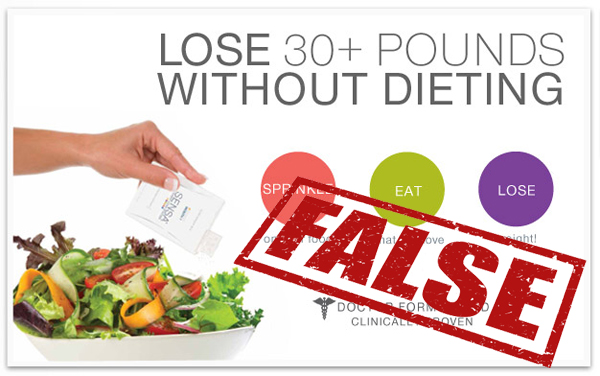
The Food and Drug Administration issued a consumer update today, warning Americans about the dangers of HCG diet products. The agency reminded consumers that all homeopathic and over-the-counter HCG is illegal, and that there is no evidence to support their weight loss claims.
The FDA has issued seven letters to companies that are distributing the HCG diet supplement warning them that their products are in violation of new drug regulations and Federal Trade Commission laws. “Failure to promptly correct these violations may result in legal action without further notice, including, without limitation, seizure and injunction,” the letters state.
Read Full Post >
Read your labels! This simple task could have saved a track athlete from being banned and from a courtroom loss.
Maryland-based track athlete Phillipe H. DeRosier, Jr.’s case against USPlabs, a popular supplement maker, was thrown out today. The federal judge in Maryland dismissed the $1.8 Million lawsuit filed by DeRosier who was blaming the company for his testing positive for a substance banned in competition.
DeRosier was banned by the U.S. Anti-Doping Agency (USADA) for his use of a substance called DMAA, found in the USPlabs product Jack3d. DMAA is a mild stimulant and the USADA bans stimulants for use in competition.
Read Full Post >
Reebok, one of the premiere shoe companies on the planet, is getting a boot in their butt from the legal system for false fitness claims. The now-famous toning shoes on the market claim to tone your legs and behind while you walk. The Federal Trade Commission begs to differ, and now Reebok is paying $25 million in damages.
“The FTC wants national advertisers to understand that they must exercise some responsibility and ensure that their claims for fitness gear are supported by sound science,” said David Vladeck, director of the Federal Trade Commission’s bureau of consumer protection.
The FTC says that there isn’t enough scientific proof to support the claim that walking in the EasyTone shoes or running in RunTone shoes can shape your legs and butt.
Ads began in 2009 with very specific claims, claims that the FTC says don’t hold up:
Read Full Post >
We should be able to trust the Food and Drug Administration to protect us against foods that might not be safe for our consumption, right? I never would have questioned this before, but after Del Monte Fresh Produce recently filed a lawsuit that could have long-term consequences against the regulatory organization, I am starting to have my doubts.
Let me explain: The FDA recently forced Del Monte to halt the importation of its Guatemalan cantaloupes because there was a possibility that the fruits could have been contaminated with salmonella. Then, Del Monte fired back against the FDA with a lawsuit. This all seems like standard operations, but the problem is that in the future, it is possible that the FDA will become more reluctant to issue warnings against possibly-contaminated foods for fear of being taken to court.
Read Full Post >