

By Janis Jibrin, M.S., R.D., Best Life lead nutritionist
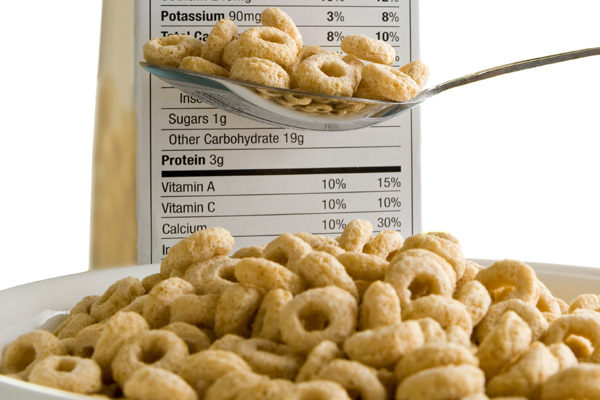
I’ll admit it—I’ve given unsolicited advice to total strangers in the cereal aisle, but only when they look truly bewildered. It’s my nutritionist’s instinct, what can I say? Believe it or not, choosing a healthy cereal is not as complicated as you might think, especially when you follow a few simple steps.

Start with the ingredient list. Check to make sure all grains are whole. Examples of whole grains: barley, brown rice, oats, quinoa, triticale, whole rye, whole wheat, and anything else with “whole” in front of it. For more on what is and isn’t a whole grain, click here. I’d avoid sucralose (Splenda), acesulfame K, aspartame (Nutrasweet), and any other artificial sweetener—you don’t need these in a cereal.
Read Full Post >
We’re just hours away from the weekend! So that means it’s time for a dose of healthy news from DIR and our friends. This week’s headlines include a story about major organic companies funding against GMO labeling, a lunch lady told to stop making healthier food, and caramel apple-inspired recipes for fall.
Sarah Palin’s Going Rogue by Writing a Diet and Fitness Book
If you can’t get enough of Sarah Palin then you’ll want to pick up her diet and fitness book when (and if) it is for sale, which she announced is in the works. It will be interesting to read and hear about the things in her book because the former Alaskan governor once bashed the idea of serving healthy snacks in schools. Do you think people will take the book seriously? Tell us what you think!
Paul Ryan Would Leave Joe Biden in the Dust if Politics Was Gym Class
Thursday’s presidential debate probably left some questions relating to America’s future answered and others unanswered. So we were questioning who would win the election depending on who has the best physical fitness and personal diet? Take a look at Congressman Paul Ryan’s and Vice President Joe Biden’s fitness routine and diet habits and tell us what you think!
Major Organic Brands, Like Kashi and Naked, Funding Anti-GMO Labeling Campaigns
The vote for California’s Prop 37 is next month and if it is passed it will radically change the processed food industry. Many Californians and organic brands like Clif Bar, Annie’s and Uncle Matt’s are in favor of Prop 37. However, other organic brands like Kashi, Naked, and Silk are donating thousands-to-millions of dollars to fund anti-GMO labeling campaigns. Do you think the organic companies shouldn’t be donating against GMO labeling and practice what they preach?
Read Full Post >
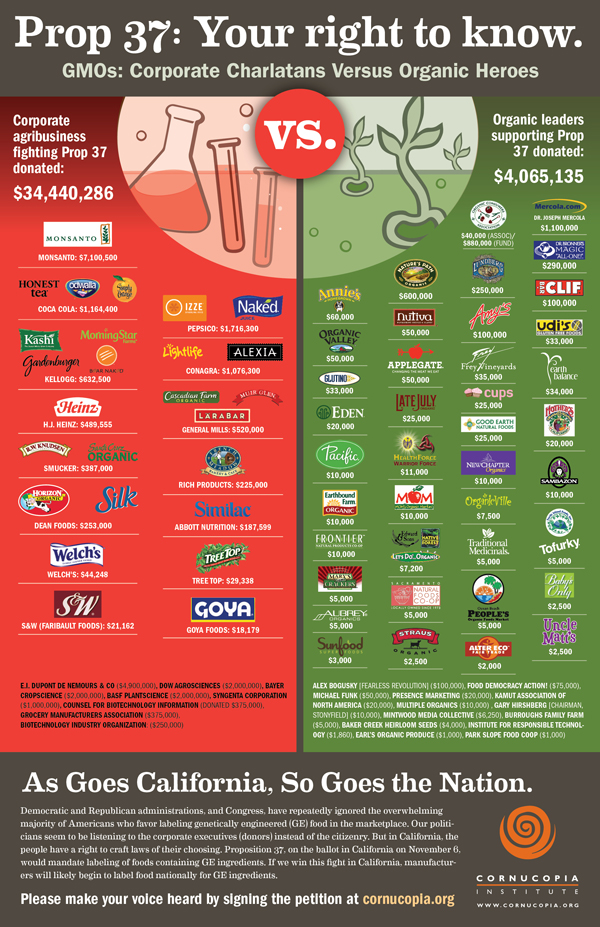
It’s natural to assume the good in someone, or something. In this case, a brand. Brands like Kashi, Naked, Alexia, Larabar, and Silk have spent millions in marketing and packaging so that we’re comfortable with their do-gooder, earth-friendly, clean and organic food brand personas. These brands are the nemesis of classic grocery store junk. But they just may be the nemesis of conscious eaters everywhere, too, according to a new infographic produced by Cornucopia.org.
The vote in California next month on Prop 37, which would require labeling of GMO and GE food products, is as hot as the presidential election. That vote there, while only immediately effecting California, has the potential to create a new labeling standard across the country. As you can imagine, a GMO labeling law would require transparency where these brands have been able to slip under the radar previously. As well, where companies are the most concerned, it will cost them quite a bit of money to update labeling.

Right there in red and green, you can see which previously assumed supporters of natural, organic, clean foods are just a front for more secrecy behind the label. Dean Foods, parent of Horizon and Silk, has spent a quarter-million dollars to prevent labeling GMOs. Coca-Cola, with their Honest Tea and Odwalla brands, has spent 1.1 million dollars. Something about that doesn’t feel so honest.
Read Full Post >
We’ve all been at the grocery store, holding up two products trying to decide which is better for our health. With miles-long ingredients lists and confusing nutrition labels, picking the right foods for our families can be a daunting task – especially when cost is a major consideration. Throw in the factor that organic is supposedly superior and it’s enough to make your head spin.
We’ve been curious for a while now if organic packaged foods are really that much better for you than their non-organic counterparts. A little research proved that our suspicions about organic food were confirmed: they really are the healthier choice on the basis of nutrition.
Yes, the organic Oreos may cost more and taste different than the non-organic version, but we found that organic foods concentrate much more on whole, natural ingredients and leave out the artificial and highly-processed items that are ultimately harmful to our health. If cost wasn’t a factor, we’d tout organic all the way. But we’ve comprised a slideshow with a side-by-side comparison of ingredients and nutrition so you can decide which products are worth going organic for.
While organic packaged foods are often healthier than non-organic, always keep in mind that eating a balanced diet of whole, natural foods and keeping processed foods to a minimum is always the best diet approach.

Kashi has just launched a new product line. Instead of adding a new breakfast cereal or another on-the-go granola bar, they’ve added a whole new line of easy-to-prepare steam meals. The bags come microwave-ready so all you have to do is find it in the freezer aisle, throw it in the microwave, and serve.
These steam meals come in four different flavors, each containing an average of 35 grams of whole grains, 17 grams of protein, 8 grams of fiber, and only 9 grams of fat. Different flavors vary. Each are the same in that there are no artificial ingredients and they’re all minimally processed. The bags come in a single-serving size making it easy for you to not over indulge, however, multiple bags will need to be bought if you plan on serving the whole family. Listed below are the four different flavors currently available.
Sesame Chicken
This meal contains natural white and grilled chicken, 7 whole grain sesame pilaf, carrots, edamame, red peppers, and roasted green beans. It’s all topped off with a spicy citrus sesame sauce that seems to be not too heavy nor not too light. The nutritional facts are 35 grams of whole grains, 17 grams of protein, 8 grams of fiber, and 9 grams of fat (guideline is 3.5 grams or less). The meal has 300 calories, which is inline with nutrition guidelines for a meal like this. It does slightly exceed the 600 milligrams or less guidelines for sodium.
Read Full Post >