









If you’ve ever thought that your favorite food was “calling your name,” irresistibly drawing you to the refrigerator, it’s not just all in your head. Well, actually it is in your head. But, it’s very real. Let me explain…
A study at the University of Texas Southwestern Medical Center at Dallas has found that fat from certain foods goes to the brain and triggers the brain to send messages to the cells in the body, telling them to ignore the appetite-suppressing signals from leptin and insulin.
The interference with the leptin and insulin hormones, which are involved in regulating your weight, goes on for up to three days.

Experts are always finding new and interesting benefits that come with certain vitamins or minerals. This time around, it’s vitamin K and how it may help you avoid diabetes.
In a study, those subjects (older men and women) who took a vitamin K supplement for three years had lower blood levels of insulin. They also experienced an improvement with insulin resistance as compared to another group who did not take the supplement.
Here comes the catch…

What is Diabetes?
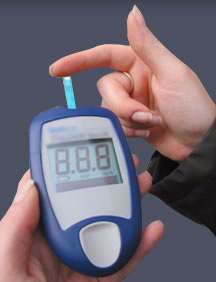
Simply put, when you eat food your body begins the digestion process and breaks down the sugar (or carbs) into glucose. The glucose is then absorbed into the blood stream where it waits to enter the cells, so the body can use it for energy. Insulin helps get glucose into the cell. In people with diabetes, there may not be enough insulin to get the glucose in; therefore the glucose sits in your blood and gives a high reading when you test your blood glucose level.
Diabetes can affect anybody! Here are a few different types of diabetes:
- Type I (Insulin Dependent)- anyone who is dependent on insulin to keep their blood glucose levels under control because their pancreas does not produce insulin.
- Type II (Non-Insulin Dependent)- anyone who can control their blood glucose levels with diet, exercise, and/or oral medications. Their pancreas typically secretes insulin, but the body has built a resistance and doesn’t utilize it sufficiently.
- Medication Induced- when medications cause an increase in blood glucose levels
- Gestational- when a woman develops high blood glucose levels during a pregnancy.
