

Diets in Review - Find the Right Diet for You

inflammation


The Basics of the Anti-Inflammatory Diet

By Melissa Breyer for Care2.com

One year it’s this diet trend, the next year it’s that diet trend. The funny thing is that, aside from the all-celery and 8-grapefruits family of diets, all the smart diets end up saying pretty much the same thing: Eat bushels of fruit and vegetables, whole grains, less animal fat, and cut out refined foods. Genius!

Lately there’s been a flood of diet books based on the anti-inflammatory concept. The gist is that constant or out-of-control inflammation in the body leads to illness, and that eating to avoid constant inflammation inspires better health and can fend off disease. We generally think of inflammation as the painful part of arthritis, but inflammation is also a component of chronic diseases such as heart disease and strokes. Which is why proponents of the diet say it can reduce heart disease risk, keep existing cardiac problems in check, reduce blood triglycerides and blood pressure, and soothe sore and stiff arthritic joints.Different types of spice

Specifics vary from one anti-inflammatory diet to another, but in general, anti-inflammatory diets recommend:

  • Eat plenty and a variety of fruits and vegetables.
  • Eat little saturated and trans fats.
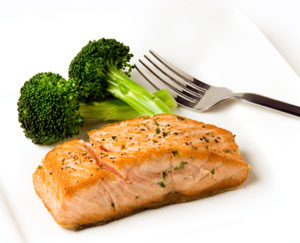
  • Eat omega-3 fatty acids, such as fish or fish oil supplements and walnuts.
  • Limit your intake of refined carbohydrates such as white pasta and white rice.
  • Increase your consumption of whole grains such as brown rice and bulgur wheat.
  • Limit (or quit) your consumption of red meat and full-fat dairy foods, increase lean protein and plant-protein source.
  • Avoid refined foods and processed foods.
  • Generously use anti-inflammatory spices.

By incorporating these herbs and spices into your diet, you get great flavors with healing properties. Researchers from the University of Michigan have found, for example, that basil has anti-inflammatory activity compared to ibuprofen, naproxen, and aspirin!
Read Full Post >


Help Control Rosacea Symptoms with a Healthy Diet

We know that a healthy diet can help prevent a number of diseases and conditions, including Type II diabetes and some heart diseases. While we might discuss our diet and lifestyle choices with our general physicians, we sometimes forget to ask our dermatologist how what we eat is affecting our skin.

Approximately 14 million people in the United States have rosacea, a skin disorder that causes inflammation of the cheeks, nose, chin, forehead, or eyelids. For some people, it may appear as redness – think severe blushing – or swelling, sometimes accompanied by acne flare-ups.

While you can’t necessarily prevent or control the symptoms of rosacea with diet alone, there are certain foods that may be associated with rosacea flare-ups.  According to Chicago Dermatologist and Skin Care Authority, Amy Forman Taub, MD, the Medical Director of Advanced Dermatology and Assistant Clinical Professor, Northwestern University Medical School, Department of Dermatology, some foods and beverages may cause dilatation of the blood vessels in the face, or may be associated with inflammation.


Read Full Post >


Eat More Ginger to Reap Anti-Inflammatory Benefits

Ginger is a calming spice that has long been touted not only for its ability to add a powerful punch of flavor to both sweet and savory recipes, but for its nutritional and anti-nausea properties. Now, doctors and experts are saying that it may be a powerful weapon to help combat certain types of inflammation that cause pain.

Because ginger contains dozens of phytonutrients called gingerols, it is a powerful agent to help fight inflammation, including the kind that causes arthritis pain. According to the Huffington Post, Japanese researchers recently reported in the Journal of Medicinal Food that red ginger is used in Indonesian traditional medicine as a painkiller for arthritis.


Read Full Post >


Zone Diet’s Dr. Barry Sears on Reducing Inflammation for Healthier Hearts

No matter which health goal you have, odds are it ties back to your heart. As we explained in a recent post about heart health statistics and facts, brushing your teeth, stressing less, exercising, losing weight all have a direct, and positive, impact on your heart. One of the ideas we discussed was reducing inflammation, so we followed-up with one of the foremost experts on inflammation and its relationship to heart health, Dr. Barry Sears.

In the household name sense, Dr. Sears is the creator of the Zone Diet, a clinically proven lifestyle program designed for losing weight, fighting the effects of aging, reducing the risk of chronic disorders and improving mental and physical performance. Not to mention, the Zone Diet has a tremendous affect on reducing inflammation.

Watch our interview with Dr. Sears as we discuss the current status of heart health in the U.S., which he calls “under flux.” Dr. Sears also explains what inflammation is, how it affects our hearts, and what we can do to treat or prevent it. Finally, you’ll hear the single most important thing you can do for heart health.


Read Full Post >


Anti-Inflammatory Diet: Secret to Disease-Free Living

Inflammation is a major health problem, particularly as we get older. The term “inflammation” refers to a pretty broad spectrum of health issues, including symptoms such as pain, swelling, and redness of an affected organ or tissue.

So, where does diet come into play? Well, a poor diet can cause chronic inflammation, which could lead to arthritis and various auto-immune diseases. Proponents also point to the growing evidence that long-term inflammation can lead to some cancers, heart disease, high blood pressure and even Alzheimer’s disease.

The key may be in a hormone called prostaglandins. These hormones are produced to regulate our body’s inflammatory response and come from the fats we eat. There is evidence that shows that the types of prostaglandins produced in our body can depend on the types of fat eat. So, in order to adhere to an anti-inflammatory diet, you need to stick with eating “good” fats and avoid “bad” ones.
Read Full Post >