
When it comes to the meat and poultry aisle in the grocery store, how much do consumers really know? Words like “mechanically separated” and “all-natural” can be convoluted, so we talked to some of the experts at Coleman Natural Meats to decode some of the most confusing labels that we see on meat packaging today.
Certified Organic: While organic food arguably offers some health benefits that conventionally prepared foods do not, an organic designation is not one-size-fits-all. In the US, any item that was made entirely with certified organic ingredients can be labeled “100% organic.” Products that contain 95% organic ingredients can use the word “organic” on their labels. Any products that contain 70% organic ingredients, can be labeled “made with organic ingredients.”
Read Full Post >
You know the saying “women don’t sweat, they glow”? Turns out it’s more than just a cute phrase. It’s kind of true.
A recent study published in the journal Experimental Physiology found that men are more effective sweaters during exercise. How is one more effective, you ask? Well, when it comes to exercising, women have to work harder and more intensely than men to start sweating.
Read Full Post >
Cortisol is a hormone that’s released into the bloodstream by the adrenal glands. It’s released in two ways: in low, steady levels and in high, short bursts. Releasing a short burst of concentrated cortisol is part of your body’s survival mechanism, also know as the fight or flight response.
Steady levels of cortisol provide low doses that help to regulate:
This past week a federal judge repealed the Ohio law banning “rbST free” and “rbGH free” milk labels. The court further ruled that milk from cows treated with hormones is constitutionally different from hormone-free milk, overturning the FDA’s finding that there is “no significant difference” between the two. The 17-year-old study was much-touted by those in the dairy industry who use artificial hormones to increase their production.
The Court of Appeals for the Sixth Circuit cited the following three differences in milk from cows treated with rbST and rbGH:
- Higher counts of somatic cells, which means there’s more pus in the milk
- A period of milk with lower nutritional quality during each lactation
- Increased levels of the hormone IGF-1, which is an insulin-like growth factor
Read Full Post >
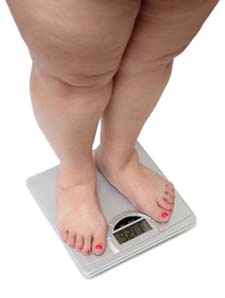
It’s become an ending just as predictable as the latest Hollywood romantic comedy: weight gain after a successful run on a diet. While the most common explanation for this unhappy ending is dieting methods that will never turn into lifestyle changes, you may have hormones to blame as well.
According to a new study, the levels of appetite hormones in the body before dieting may be a predictor of weight regain after dieting.
“Treating obesity with drugs or dietary programs can be very effective in the short-term, but the long-term success of maintaining the weight lost is usually poor,” said lead study author Ana Crujeiras, PhD, of Compejo Hospitalario Universitario de Santiago in Spain.
“Our study sheds light on how the appetite hormones leptin and ghrelin affect weight regain after weight loss. This knowledge could be used as a tool to personalize weight-loss programs that could guarantee success in keeping off the weight.”
Read Full Post >