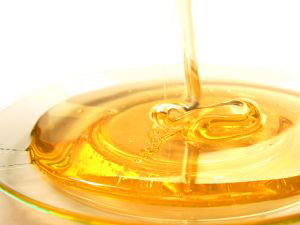
Honey has been used to treat different ailments for thousands of years, but recently raw honey has been getting a lot of attention. It’s being touted for its nutritional benefits, its antibacterial properties and its ability to treat allergies. But are these claims too good to be true?
Raw honey, which is unprocessed and is as close to its natural state in the hive as possible, is a source of polyphenol, a rich antioxidant that may reduce the risk of cancer and heart disease. According to WebMD, a small study showed that people who ate four tablespoons had higher levels of antioxidants in their blood.
Read Full Post >
While you shouldn’t get plastered in the first place, we all know that New Year’s Eve is one of those occasions where many of us will overindulge. That means many of us will also start 2011 groggy and out of it.
There have been many hangover cures touted over the years, with most of them being mere quackery. Some swear by greasy food like a sausage and egg biscuit, or just grab some coffee.
According to scientists, the best option (besides just waiting it out and drinking water) is toast and a healthy scoop of honey. Hangovers happen when the body converts alcohol into the toxic chemical called acetaldehyde, but the fructose in honey helps the body break down alcohol into a harmless byproduct. Toast adds potassium and sodium, which apparently also help.
Read Full Post >
If you like to cook and eat there is one more thing you can do with your favorite foods: put them on your body. Some of the ingredients in your favorite recipes might also be some of the ingredients in your favorite shampoos, soaps, lotions, body and facial products.
“Everything you put on your skin gets absorbed into your body,” said Ella Rich, owner of Ella Flor, a natural products and flower essence company. “Feed your skin well and you will look and feel better.”
A number of beauty products are made with extracts from avocado, honey and coconut. While you can mix your own potions and lotions at home, there are also some almost-edible treats for your hair, face and body that are perfect when you need a pick me up without the calories.
Read Full Post >
By day, guest blogger Maris Callahan is a publicist in New York City. In her spare time, she is a freelance writer and food blogger at In Good Taste, a blog about cooking and eating good healthy food when you’re busy or on-the-go (with a few indulgences, because everyone needs those!) When she isn’t cooking or writing she enjoys running, knitting, photography and a good latte.
We all know to put honey in our tea when we have sore throats, but most of us don’t stop to ask why. For centuries, honey has been used as a topical application to help prevent infection, due to naturally occurring antiseptic and antibacterial qualities. With the invention of antibiotics, this practice became less frequent, but consuming honey is still said to have health benefits and might even reduce sensitivity to certain environmental allergens.
Read Full Post >
As someone who suffers from allergies and asthma (even though whatever is causing my allergies is still a mystery to me), this news is intriguing: A new study from the University of Ottawa shows that honey can be effective in killing bacteria that cause chronic sinusitis.
In chronic sinusitis, the mucous membranes in your sinus cavities become inflamed, causing headaches, stuffy nose, and difficulty breathing. While chronic sinusitis can be caused by allergies, it can also be caused by bacteria that colonize in the nose and sinuses. That’s where this news on honey may have some exciting prospects.
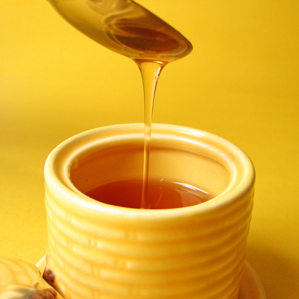
Honey is predominantly sugar (fructose and glucose). It also contains tiny amounts of several compounds thought to function as antioxidants, including chrysin, pinobanksin, vitamin C, catalase, and pinocembrin. Honey has long been touted for its health benefits, and is commonly used to soothe sore throats and relieve coughs. But its powers may be even more extensive than first thought.
Researchers, led by Tala Alandejani, MD, at the University of Ottawa, tested two honeys, manuka and sidr. Singling out three bacteria, they found that the honey was effective in killing them. Maybe the most interesting discovery was that the honey worked significantly better than an antibiotic against two bacteria: MSSA (methicillin-susceptible Staphylococcus aureus) and MRSA (methicillin-resistant Staphylococcus aureus).
The study is being presented at the 2008 American Academy of Otolaryngology — Head and Neck Surgery annual meeting in Chicago.
NOTE: Infants one year or younger should never eat honey. It can become toxic in their underformed intestinal tract, causing illness or even death.