Obesity rates and other related statistics are rolled out every year, sometimes even more frequently, with each seeming worse than the last. The U.S. is on a fast train that’s heading towards a brick wall, unless something can be done to put on the brakes, and better yet, put it in reverse!
The overriding question that has to be on everyone’s mind is how did we get here and why does it seem we are helpless when it comes to making better food and lifestyle choices?
There is no doubt that a major component to our growing obesity problem is that we are less active than ever before. We live in a technology-based world where more and more of us sit in front of computers and televisions (remember when you didn’t have 300 channels and the entire world’s information at your fingertips?). Even careers in manual labor fields that provide some form of physical exercise have become more automated.
Read Full Post >
Who didn’t grow up eating peanut butter sandwiches? While peanut butter and jelly has been a lunchbox staple for as far back as anyone can remember, the delicious sandwich spread is far from diet-friendly.
“Peanut butter in its basic or pure form is a healthy source of protein,” said Oliver Gerard Heffern, owner of glor foods. “It’s what’s added there after that can cause concern: sugars, preservatives, additives and colors.”
According Brandon May, author of The Healthy Advocate, peanut butter label claims can be be misleading. “No matter which brand, any peanut butter labeled ‘reduced fat or ‘low-fat’ should be avoided,” May said. “They typically have fillers that increase the sugar content, making them potentially more harmful to your health than a higher fat version.”
Additionally, most commercial peanut butters have oils that have been fully or partially hydrogenated, which creates trans-fat. “It isn’t peanut fat that’s a problem, it is the trans-fats in the peanut butters that contributes to poor health,” said May. “Any peanut butter labeled ‘natural’ or ‘organic’ will not have hydrogenated oils, but you should always check the label to see the sugar content.”
Read Full Post >
Renowned Princeton physiological psychologist and researcher Bart Hoebel has died at the age of 76. He was a leader in research on eating behaviors and the addictive qualities of food. He seems to have been a professor that invested in his students, and we hope that some of them will continue his research in his absence.
Below are just some highlights of what Dr. Hoebel’s research has taught us.
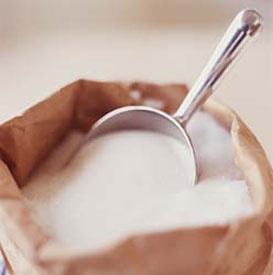
Sugar is addictive and affects brain functions the same way as cocaine and heroin.
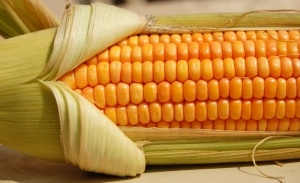
High-fructose corn syrup leads to more weight gain than ingesting the same amount of calories via traditional sugar. It also causes abnormal increases in body fat, particularly in the belly, and triglycerides.
Read Full Post >
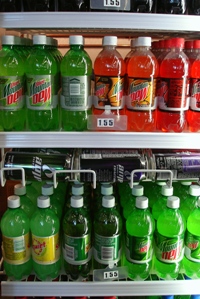
There’s potentially good news in regards to teens and their soda consumption. In 2010, 24 percent of teens in the U.S. drank at least one soda on a daily basis, which was down from 29 percent the previous year.
The Centers for Disease Control and Prevention collected data on 11,429 high school students from across the country. Each of them filled out a questionnaire.
When other sweetened drinks were considered, the teens who drank at least one of those drinks each day was raised to more than 60 percent. However, even with that sharp rise when considering all sweetened drinks, the number is down from 1999, when it was more than 75 percent.
Now for the potentially bad news…
Since awareness of the health dangers of sweetened drinks has risen over the years, some experts are concerned that teens’ knowledge may have skewed the results, since they could have been deceptive in their answers. Or I say, maybe the movement of removing soda from schools is working.
Read Full Post >
I am finally back in a neighborhood where I am likely to receive trick or treaters. I’m pretty excited about the sparkly skull decorating my front door to announce we are a trick-or-treater-friendly household, but I am stumped on what treats to provide.
High fructose corn syrup and partially hydrogenated soybean oil do not cross my threshold which eliminates a lot of the popular candies. It would be pretty hypocritical of me to provide those to other people’s children if I wouldn’t provide them to my own. Those great big bags of candy would be easy, but I do not want to support the continued use of chemicals in our food products.
Read Full Post >