Diets in Review - Find the Right Diet for You

heart health


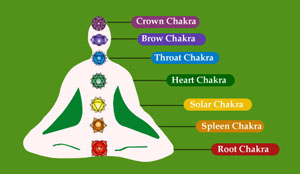
Beginner’s Guide to the Chakras, Part Two

A brief background plus an overview of the first three chakras was outlined in part one of the Beginner’s Guide to the Chakras. The following is a continuation of the guide that explains the fourth, fifth, sixth and seventh chakras and what you can do to keep them open and in balance.

4th Chakra

Sanskrit name: Anahata
English name: meaning “unstruck”
Location: middle of the chest
Associated body parts: heart, lungs and arms
Color: green
Element: air
Sound vibration: YA

  • Governs sense of unconditional love, heart-felt gratitude and the ability to share.
  • When your fourth chakra is out of balance you may have difficulty giving and receiving unconditional love for yourself and others. You might also have a weak heart, suffer from arrhythmia, heart palpitations or certain breathing problems.
  • Yoga poses such as camel, bow and cobra help to open and balance the heart chakra.


Read Full Post >


Fix Your Heart Before It Breaks on The Today Show

Today Show SunriseTune in to the Today show on Wednesday, August 10th for a special segment about keeping your heart healthy. Dr. Keri Peterson will be sharing some tips on how to prevent heart problems before they happen.

In addition to being a practicing physician, Dr. Keri Peterson is a contributing columnist at Women’s Health magazine. Each month, she answers reader’s questions in her column, “The Doctor Is In.” If you can’t watch Wednesday’s episode, you can find the doctor’s heart health advice in the September issue of the magazine. Check your local listings for show times.

Women’s Health is a great resource for recipe ideas, new ways to workout style tips, health treads and much more.

Subscribe to Women’s Health magazine here!


Keeping Your Cholesterol Numbers in Check

Many things come with age. Unfortunately, some of those are narrowed arteries and high cholesterol. These days, being prescribed medication for high cholesterol is almost a given, maybe even a right of passage from middle age to senior citizen-hood. But let’s face it, no one likes to take medication and many people would like to try supplements and lifestyle changes before they jump on the prescription bandwagon.

So first, let’s define a few things. When you get a lipid panel here are things you will see and what your target numbers are:

  • HDL=good cholesterol Goal: Greater than 40 mg/dL for men, greater than 50 mg/dL for women
  • Total cholesterol = combination of your LDL/HDL and other components Goal: Less than 200 mg/dL
  • Triglycerides = Fat that your body stores Goal: Less than 150 mg/dL


Read Full Post >


Huge Meta-Analysis Shows No Link Between Saturated Fat and Cardiovascular Disease

Mary Hartley, RD, MPH, is the director of nutrition for Calorie Count, providing domain expertise on issues related to nutrition, weight loss and health. She creates original content for weekly blogs and newsletters, for the Calorie Count library, and for her popular daily Question-and-Answer section, Ask Mary. Ms. Hartley also furnishes direction for the site features and for product development.

Saturated fat was recently in the news at the Institute of Food Technologists expo when experts revealed, again, that the link between saturated fat and cardiovascular disease is inconclusive. Both the public and professionals are now confused, since diets low in fat, particularly saturated fat, have been the mainstay of scientific consensus for more than 30 years. Saturated fat, a solid fat mainly found in animal foods, includes cheese, whole milk, butter, and fatty cuts of meat. It, together with liquid poly- and mono-unsaturated fats from nuts, seeds, grains and fish, make up all naturally-occurring dietary fat.

Back in the 1970s, the American Heart Association and other authorities said to reduce all fat to 30 percent of total calories and saturated fat to 10 percent or less. The recommendation was drawn from epidemiologic studies that compared the diets among different countries, in particular, the Seven Countries Study. Those studies showed a correlation between total fat intake and rates of heart disease. That, along with the National Diet-Heart Study of the 1960s, form the basis of the message that reduction in saturated fat lowers blood cholesterol and risk of heart disease.


Read Full Post >


Eat Your Way to Lower Cholesterol with These Foods

By Delia Quigley for Care2.com

In drugged America (or is it drunk America? Hmm, that’s a toss up), Americans are blindly medicating, when really the answer is a simple change of diet and exercise. With 1 in 5 Americans testing high for cholesterol it’s no wonder cholesterol-fighting drugs are the most popular ones on the market. Lipitor is the most prescribed cholesterol lowering medicine world-wide; and though it is handed out like candy, there can be some nasty side effects when taking these kind of drugs including, aggression, hostility, headaches, muscle pain, and diarrhea.

On the other hand, eliminating high fat processed foods and eating whole grains and vegetables instead can easily lower high cholesterol. To help control high cholesterol levels due to genetic factors recent studies suggest that a more natural approach would be to take a red rice yeast extract along with eating a whole foods diet and adding exercise. However, when transitioning on to a higher quality diet make sure to have your medical practitioner monitor your statin levels, as you will need less and less until they become a distant memory.

The following list are specific foods known to help cleanse cholesterol build-up in the arteries and heart. This is due to their high levels of fiber, Omega-3 Fatty Acids, Lecithin, Vitamin E, C, Niacin and Rutin.
Read Full Post >