U.S. News & World Report just added diets to its year-end best-of list. The number one spot for this year is held by the DASH diet. While that may be getting much of the publicity, right behind it at number two is another catchy-sounding plan: the TLC diet.
One thing both diets have in common is they were created by divisions of the National Institutes of Health, with the Therapeutic Lifestyle Changes Diet (TLC) being created by the NIH’s National Cholesterol Education Program.
Since government health agencies aren’t in the business of creating or endorsing fad diets, you can expect a no-frills approach. And since this one was created by a program related to cholesterol, healthy levels of cholesterol are a central goal.
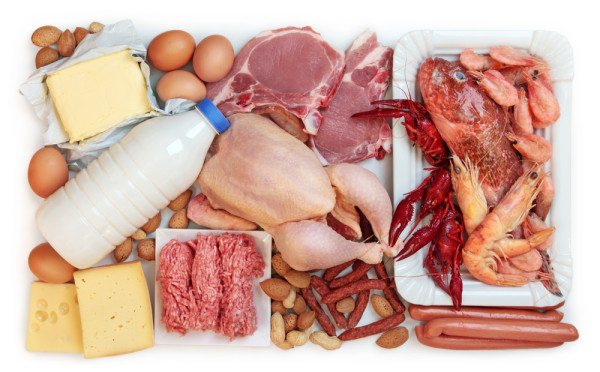
Endorsed by the American Heart Association, the TLC diet can reduce the risk of cardiovascular disease by minimizing fat, particularly the saturated variety found in meat, fried foods and whole-milk dairy. These foods increase your levels of LDL, or bad, cholesterol and your risk for a heart attack or stroke.
Read Full Post >
There may be some negative preconceived ideas about weight loss surgery, the thinking being that it’s an easy way out or that it’s giving up on yourself. No matter what your views are on the subject, there’s one thing for sure: it saves lives.
According to a new study from Sweden, obese people who have gastric bypass surgery performed are less likely to die from heart attack and stroke than those who take part in conventional treatment for their weight issues. The 4,000 Swedish patients who participated in the lengthy study were recruited between 1987 and 2001.
One of three weight loss surgeries were performed: They either had gastric bypass, banding, or vertical banded gastroplasty. Taken together, they all lost between 16 and 23 percent of their body weight over the time of the study.
Read Full Post >
Doctors continue to remind us of the increased cardiovascular risk factors from eating red meat and other animal based products, and suggest we eat more vegetables to maintain good health. Environmentalists inform us how large production cattle ranches wreak havoc on the quality of our air and water, and urge us to go vegetarian. Animal rights activists protest the mistreatment of animals from dairy cows to egg laying chickens, in a concerted effort to promote total veganism.
With all of this anti-meat and animal rights campaigning, one might think eating animal products was just wrong, but new research suggests people who follow a vegan diet are at risk for developing blood clots and atherosclerosis, which are two conditions that can lead to a heart attack or stroke.
The vegan diet is completely free of any kind of animal products. That essentially means a vegan ingests absolutely nothing that comes from or is produced by an animal. Never are eggs, butter, sushi or chicken broth soup for the soul found on the diet list of a vegan. A diet of nuts, seeds and vegetables sounds like it could top the list of what is healthy to eat, yet this type of diet tends to be lacking in several important nutrients. Iron, zinc, vitamin B-12 and omega-3 fatty acids are difficult to acquire on a vegan diet, and these are key nutrients in helping to lower the risk of cardiovascular disease. In addition, a vegan diet is very low in fat and, as a result, these strict vegetarians tend to have higher levels of homocysteine and lower levels of HDL, the good cholesterol, both of which also contribute to the risk of heart disease.
Read Full Post >
Many things come with age. Unfortunately, some of those are narrowed arteries and high cholesterol. These days, being prescribed medication for high cholesterol is almost a given, maybe even a right of passage from middle age to senior citizen-hood. But let’s face it, no one likes to take medication and many people would like to try supplements and lifestyle changes before they jump on the prescription bandwagon.
So first, let’s define a few things. When you get a lipid panel here are things you will see and what your target numbers are:
- HDL=good cholesterol Goal: Greater than 40 mg/dL for men, greater than 50 mg/dL for women
- Total cholesterol = combination of your LDL/HDL and other components Goal: Less than 200 mg/dL
- Triglycerides = Fat that your body stores Goal: Less than 150 mg/dL
Read Full Post >

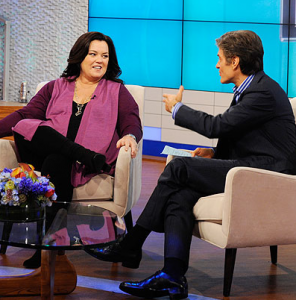
Oprah's Ultimate Weight Loss Challengers shared their weight loss progress along with many other inspired Oprah guests on the May 10, 2011 episode
It is possibly one of the most famous moments in Oprah history. What am I talking about? I’m referring to the time when Oprah wheeled out 67 pounds of fat to represent the amount of weight that she had lost. Now, in her final season, Oprah dedicated her entire May 10 episode to weight loss, food addiction, emotional eating, and the 100 Oprah viewers who have each lost at least 100 pounds.
The first viewer whose story we saw was Sandra, a 5’2″ mother who weighed 240 pounds at her heaviest. Sandra admits to being an emotional eater who used food to comfort her in moments of sadness, frustration, or doubt. When she was 40-years old, she thought she was having a heart attack. The episode turned out to be a panic attack, but her doctor told her that a heart attack was in her near future. Sandra was afraid of working out, but when she saw a sports bra on the Oprah show, she was motivated to try ice-skating as a form of exercise. She has lost 106 pounds since then. Sandra placed third in a skating competition and is much happier and healthier now.
Read Full Post >