Mexican food can certainly be one of the more challenging cuisines when eating out, as there aren’t many low-fat items to choose from, and several dishes are full of fried foods. Add on calorie-filled margaritas and tortilla chips to start and you are already filling up on unneeded fat and calories before having even ordered your main course.
Dishes at Mexican restaurants are usually on the larger side with the addition of rice and beans accompanying the meal. To help prevent overeating, I would first suggest ordering a house salad, which should entail tomatoes, cucumbers, corn and some avocado for your healthy fat. This starter salad will also help in the avoidance of eating the full entree when it arrives or you can ask for half the portion to be put in a to-go container.
Some terms that you should look to avoid on the menu are: fried, crispy, refried, breaded and cheese. Instead look for items that are baked or grilled and request sauces on the side so you can control the amount on your food.

I love eating all types of foods and when I’m asked what my favorite is my answer can range from Mexican to Thai to Indian to Italian to Spanish and the list goes on. It really just depends on what day you ask me. With that said, eating out in restaurants that specialize in these types of cuisines can be difficult to navigate, especially when trying to keep to a healthy, everyday diet.
Cooking at home you know exactly what is going into your food, but eating out we have less of that control and therefore, this month at DietsInReview.com, we are kicking off a series entitled “How to Dine Out.” Each week we will focus on a cuisine to help guide you through common choices you will find on menus at these types of restaurants.

It’s no secret that the economy stinks these days. According to a survey by a Chicago-based research firm, people are passing on the healthier options offered at fast food and casual dining restaurants in favor of a super-sized serving of comfort. Eighty-two percent of respondents say their better-for-you items are selling ‘lousy.” Customers are citing economic factors for their preferences.
More than half of consumers say they are more concerned about their eating habits than they were a year ago… yet:
- 70% say that healthful foods are harder to afford
- 53% say they buy less-healthful items because those items are cheaper (not necessarily, as I wrote about the price of salmon vs. hotdogs)
- 44% say their budget prevents them from eating healthful foods
- 34% of respondents say that they are choosing cheaper fast food over more-healthful options
- 9% are skipping breakfast and 3% are skipping lunch
To that, I say, this is totally unnecessary. People may think they are saving, but trust me, they are paying for it in their health. They’ll pay even more later whether it’s in some combination of weight gain, lower energy levels or poorer quality of life.
Instead, here are some tips to maximize your comfort with minimal strain on your pocketbook.

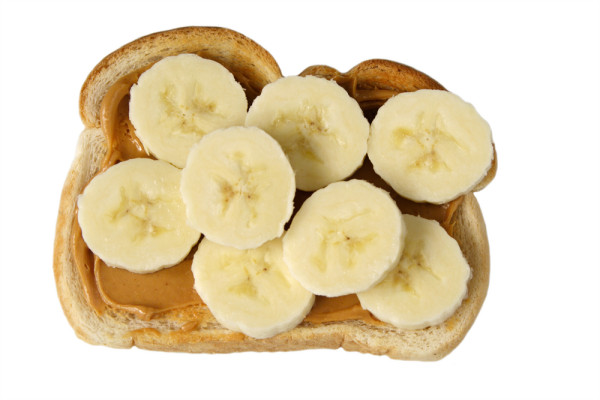
One of the main reasons I recommend having two meals, one of which being a small meal such as an appetizer, is to help avoid overeating. This may sound counter intuitive, but with busy schedules we can tend to eat late or not have much time and therefore end up gobbling up as much food as we can in one sitting. Shortly thereafter we are left having over consumed calories, feeling stuffed and lethargic.
It can take up to 15 minutes for your brain to register with your stomach that food is in your system, a large proponent for overeating. Many times we will keep eating the food that is on our plate waiting for that “feeling of full,” only to have completely surpassed it. Eating a snack or appetizer prior to eating your main meal will help start that communication between your stomach and your brain, so by the time you go to eat your main course you will only need to eat a portion of it to fulfill your bodies’ needs.

When you think of soup, do you think of a health food or a heart attack? Believe it or not, most people consider soups to be more harmful to health than beneficial. But I’m here to help soup reach its full potential and earn its way back on your “health hero” list. In this post, I’ll explain the pros and cons of soups and I’ll show you how you can enjoy a bowl of healthful goodness no matter what your time availability or cooking skill level.
The Pro: A nutrition boost! Soups can be a wonderful way to get more veggies, fiber, and plant-based protein in your diet. Soups made with low-sodium broth, veggies, beans, and lean protein have a lot of nutrition to offer for 100-200 calories per serving.
The Con: Most people worry about the sodium content of soups so they avoid them altogether. The reality is you have room in your sodium “bank account” for about 600-700mg of salt per meal. If you generally eat a healthy breakfast and lunch then you have room for a soup-salad combo at dinnertime every once in awhile.