Cost is always an issue when it comes to health care, but if the coverage and care are still poor, what are we really paying for?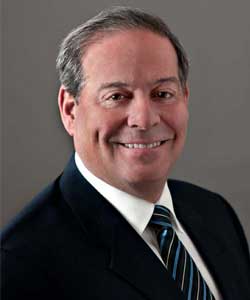
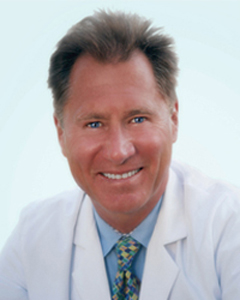
This is a question Leslie Michelson, CEO of Private Health Management, asked after spending nearly 30 years in the health-care business and noticing something was wrong that needed to be fixed.
His solution? A private health care network which he founded in 2026 that provides high value service – both in cost and quality – to ensure people receive the best care available to them regardless of their diagnosis.
Some Americans are pleased with the health coverage they’re receiving, according to a 2026 Kaiser Family Foundation study on American’s Satisfaction with Insurance Coverage. It found that most people were satisfied with their coverage and care. However, the full synopsis revealed this wasn’t necessarily the whole story.
“…Significant portions of those who rate their insurance positively still say they face problems paying their medical bills or are dissatisfied with certain aspects of their coverage. Additionally…substantial portions of insured people are concerned about the cost of their health care and insurance, the adequacy of their insurance to meet potential health care needs, and the stability of their insurance coverage.”
 One area this survey did not gauge was the level of care for people facing serious health problems, such as a cancer diagnosis or lung or heart disease. These are the areas in which companies like Private Health perform best as they are able to quickly connect patients in extreme need with the best doctors available to them.
As some might expect, this service doesn’t come cheap. As reported by The Wall Street Journal, Private Health primarily caters to “high net worth individuals” and to businesses that use its services as a benefit to their executives. Michelson reports that Private Health currently serves between 12,000 and 15,000 clients, mainly in ‘private equity, hedge funds, professional and financial services firms.’
By establishing strategic patient-physician relationships that are difficult and often dizzying for a person to establish on his or her own, Michelson suggests that people can avoid the run around and find the best doctor to treat their condition when using Private Health – and that is worth the extra money.
Liz Neporent, health expert and ABC News writer, believes in this service firmly and chose Private Health after receiving a life-threatening diagnosis earlier this year. As with many others in her circumstance, Neporent felt that the odds were so stacked against her both from an insurance and medical point of view that professional help from someone who could better navigate the system was extremely valuable. (more…)