Have you ever thought to yourself, “Why can’t I lose weight and keep it off?” Today, we are going to talk through the five biggest diet hurdles that many people face and the simple tips to overcome them.
Watch our G+ Hangout with Stefanie Painter, RD from Retrofit who explains more.
True Hunger
With food in our sights while walking down the street, in our office break room, or next to the cash register at the store, we are prompted to want to eat at any turn. Also, many times we will use food for comfort after having a stressful, long, or emotional day. However, our bodies do not know that we got yelled at by our boss, had back to back meetings, or broke up with our boyfriend. So, eating outside of hunger sabotages our efforts. When we have ignored what true hunger feels like for a long time, we have to retrain our bodies (and brains) to understand when and how much we actually should be eating for a healthy weight.
Think of a hunger gauge like a gas tank: On empty, we are the most hungry we have ever felt in our entire lives, like when you have had to fast for a medical test. At full, we are so stuffed that we can’t imagine eating another bite, like on Thanksgiving. These are the extremes that we need to avoid as much as possible. When you are feeling hunger (belly rumbling), then you are at one-quarter of a tank and it’s time to have a meal or snack. As you are eating, slow down and savor each bite so you can feel when you hit half of a tank. This is when hunger is gone. Four to five bites later, you will hit three-quarters of a tank and it’s time to be finished, no matter how much food is left on your plate.
Moderation vs Deprivation
Most diets require us to take something out of our food choices or make certain foods “off limits.” While this will create a calorie deficit and result in weight loss, it is not realistic for a long term lifestyle, especially because we are often forced to stop eating some of our favorite foods. Deprivation can quickly lead to disaster!
Make ALL foods part of our healthy eating plan! Yes, focus on the healthiest foods — fruits, vegetables, lean proteins, dairy products, and whole grains, as your main choices — but plan for treats and heavier meals in your day or week. For example, if you love chocolate, have one small piece (of dark) every day so you do not feel deprived. If your favorite meal is a burger and fries, make that part of your weekly plan so you can enjoy it. No food is “bad” when we plan for it!
Produce, Produce, Produce
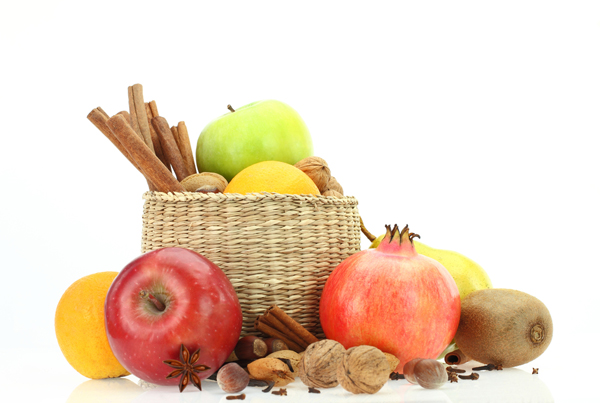
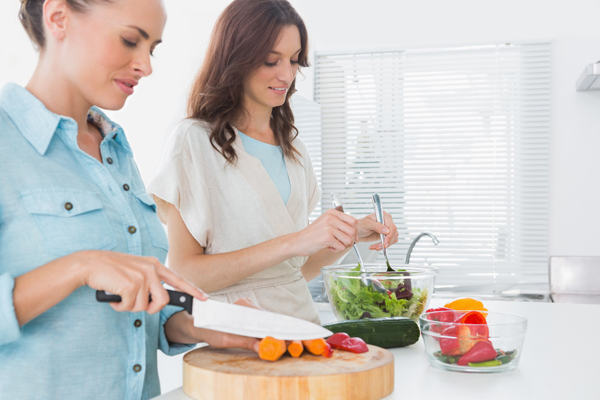
Fruits and vegetables are truly powerful foods. They are super nutritious, low calories, and crazy high in fiber. When we work on adding more produce into our life, we can fill up on lower-calorie, high-fiber foods and decrease our portions of higher-calorie foods. Plus, fiber is much harder for the body to break down, so our metabolism goes in to over drive to digest and use produce for fuel. This helps boost our metabolism and burn more fat.
Getting in more produce can be a challenge, especially when we aren’t used to eating it often. Start small… add a piece of fruit with breakfast, then some veggies at lunch and dinner, and lastly work on using fruits and vegetables as part of a snack. The ultimate goal is to have 50 percent produce at all of your meals and snacks.
Portions
Portion distortion is running rampant. Everywhere we go, bigger is better, but not so much for our waistlines. As mentioned before, one of the best ways to start to decrease portions of higher-calorie foods is to aim to make half of your meal or plate produce.
Another handy tip is to use your hands as a portion size guide. Put both of your hands out in front of you flat, fingers closed, thumbs tucked in, and touching. This is the appropriate portion of a meal for your body. Most restaurant meals, or even meals that we cook at home, are much larger than this. Pairing your hands as a portion size guide with listening to your hunger/fullness queues using the Hunger Gauge is a dynamic combo to keeping your portion sizes in check.
Planning Ahead
Planning ahead can seem daunting, but it doesn’t have to be. It’s not so much about planning, but more about being prepared for whatever your specific challenge may be.
- If you are going to a restaurant, check the menu and nutrition info online first so you don’t have to make a choice while you are tempted by the dozens of menu items.
- Headed to a party? Have a snack before you go,so you are not as hungry, and give yourself a drink and/or food limit, such as, one plate of food and two glasses of wine.
- If you struggle with nighttime snacking, think about what your nighttime snack is going to be as you are preparing dinner. Put together your nighttime snack then, too. Set an alarm on your phone so you know when and what you will be enjoying as your late treat.
Thinking about diet hurdles you have faced in the past, how can some of these tips help you stay on track in the future?
 ____________________________
By Stefanie Painter, a registered dietitian for Retrofit. You can save $50 at Retrofit with this coupon. #Sponsored
Also Read:
Video Chatting is Transforming Weight Loss
The 51 Best Sandwich Recipes from Every State
10 Things You Hate About You