



When I first started Live Big With Ali Vincent I met Carmen Martinez who wrote into me asking for help. Originally I was just going to spend the day with her and her family to give them some pointers, cook a little, move a little and then part ways. After talking to Carmen and then seeing wow her family reacted to her getting real with her feelings about how she felt, I knew this probably wasn’t going to be the case, I fell in love with the family.
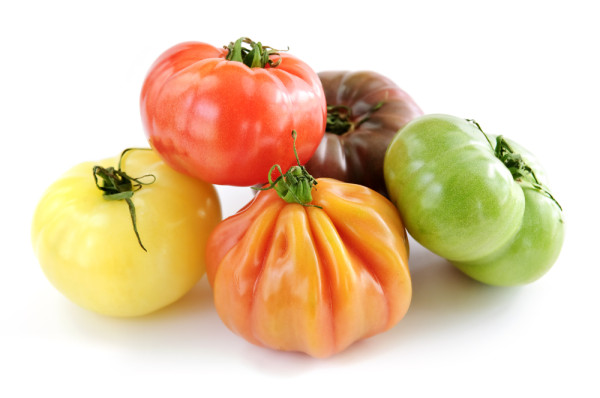
I went to the farmers marketwith the whole family. The kids got to see a variety of new fruits and vegetables and pick out what to get as we talked about the different ways they could prepare each and help their mom out. The girls were thrilled at the idea of helping, and I believe this is where their family turned the corner. For so long Carmen was trying to do everything on her own; by doing this she took away the opportunities for her family to give to her. The Martinezes have not only gone from always having mom watching what she was eating (aka dieting), to planning, cooking and eating healthy food together. They were all getting results and dropping weight where weight needed to be lost.
I wanted to reward them as well as push then to that next level of working together as a family on the road to living a life of health and fitness. So I challenged them to an all-in-one family weight loss challenge.
Listen up parents! Making sure our preschool children get their ’5 a day’ (servings of fruits and veggies) can be easy and painless… if you are prepared. Providing our kids with a healthy foundation, helping them acquire a taste for fruits/veggies will be something that stays with them for the rest of their lives. If they get used to eating fresh produce as kids, that will often translate in to adulthood.
Working with a pediatric population, parents repeatedly ask the same questions. So here’s what I tell them.
Kids can get overwhelmed when they see large portions. Serve appropriate amounts for the child’s age. A 2-3 year-old needs one cup fruits and one cup veggies while 4-8-year-olds should consume half a cup more, respectively, per day.
Try a new fruit/veggie tomorrow. If today it’s pears, tomorrow try oranges. Mix it up and keep kids interested. Have them take a bite and if they don’t like it now, let them try it again another time. “I don’t like it now” doesn’t mean “I don’t like it forever.” Read Full Post >
No one starts a weight loss journey by jumping up and down and celebrating; that’s more of an end game. But there ARE things you can do along the way to make the process more—dare we say it—enjoyable.
Here are our top tips:
Take the eagle-eye view. It’s not just aboutnumbers on the scale. In fact, taking small steps towards an achieved result is even more important. Take pride in every small victory—whether it’s taking the stairs instead of the elevator or skipping seconds at dinner. In the grand scheme, that’s what matters most. Read Full Post >
By Janis Jibrin, M.S., R.D., Best Life lead nutritionist
How’s your fat? Don’t worry—I’m not talking about your thighs or belly. I’m referring to the fat on your fork. You’ve heard about all the great things omega-3 fats can do for you, including boosting your mood, keeping your brain sharp and reducing your risk for heart disease. One reason for its stellar health creds: It fights chronic inflammation. But it can’t do its job if it’s outnumbered by its chief rival—omega-6 fats.
These two polyunsaturated fats compete for entry into your cells, and for most Americans, omega-6 is winning handily. Our bodies evolved to thrive off an omega-6 to omega-3ratio anywhere from 1:1 to 4:1. Instead, the ratio is 16:1 or higher. That imbalance may literally be killing us.
Where does all the omega-6 come from? Soybean oil is a major source; processed and fast foods are rife with it, and it’s the oil in “vegetable oil” sold in the supermarket. Meanwhile, we eat very few omega-3 rich foods, like fatty fish, chia seeds and flaxseed.
Bloating, high blood pressure, extra calories… too much sodium in your diet can lead to all three, none of which are conducive to weight loss. Experts recommend 2,300 milligrams (mg) of sodium daily, or 1,500 if you have high blood pressure or diabetes, are African American, or 51 and older. That means about half the U.S. population should, theoretically, cap it at 1,500 mg, but it’s pretty much impossible unless you do all your own cooking and use very few packaged foods. In fact, you’d be surprised how easy it is to blow right by these levels. (Check out Why You Should Shake Your Salt Habit to learn why everyone should cut back on sodium.)
You can slash your intake by:
Reading labels. It’s eye-opening how many foods are laden with sodium, from your go-to whole-wheat bread to your favorite salad dressing to your usual breakfast cereal. Make it a habit to check the label for sodium content before putting anything in your grocery cart. Choose foods that are lower in sodium in each category, or even better, opt for “no salt added” (canned tomatoes, canned beans, grain mixes). Read Full Post >